
What to Expect When Hiring a Professional Subsurface Drip Installer
What to Expect When Hiring a Professional Subsurface Drip Installer
Investing in a subsurface drip irrigation system is a smart move for any property owner looking to conserve water, improve plant health, and reduce maintenance. This advanced irrigation method delivers water directly to the root zone of your plants, eliminating the waste associated with traditional sprinkler systems. However, the success of this technology hinges entirely on proper installation.
This guide will walk you through everything you need to know about hiring a professional subsurface drip installer. We will explain the technology, outline the benefits of professional subsurface drip installer, and detail what to expect during the installation process. By understanding these key aspects, you can ensure your investment pays off for years to come. For those in search of proven expertise, companies like Western Irrigation exemplify the quality and reliability you should look for.
Understanding Subsurface Drip Irrigation
Subsurface drip irrigation (SDI) is a highly efficient method of watering plants and turf. Unlike traditional sprinklers that spray water over the surface, an SDI system uses a network of buried tubes, known as driplines, to deliver water directly to the soil at the root level. These driplines have small emitters spaced along their length, which release water slowly and uniformly. This precise delivery method ensures that every drop is used effectively, promoting deep root growth and vigorous plant health.
Advantages Over Traditional Methods
The benefits of switching to a subsurface drip system are significant, particularly when compared to conventional sprinklers or surface drip systems.
- Water Conservation: SDI systems can be up to 95% efficient, compared to sprinkler systems which can lose 30-50% of water to evaporation, wind drift, and runoff. By delivering water underground, SDI minimizes waste and can reduce water consumption by a significant margin. This not only lowers your water bills but also conserves a precious natural resource.
- Healthier Plants: Delivering water directly to the roots encourages deeper root systems, making plants more resilient to drought and stress. Because the soil surface remains dry, it also drastically reduces the growth of weeds and the prevalence of fungal diseases that thrive in moist surface conditions.
- Reduced Maintenance: Once installed, SDI systems require less ongoing maintenance than sprinkler systems. There are no sprinkler heads to get damaged by lawnmowers, clogged by debris, or misaligned over time. The system is protected underground, leading to fewer repairs and adjustments.
- Aesthetic Appeal: With all components hidden beneath the surface, your landscape maintains a clean, uncluttered appearance. You won’t see any sprinkler heads or visible tubing, allowing the natural beauty of your garden and lawn to take center stage.
- Versatility: SDI is suitable for a wide range of applications, including lawns, garden beds, orchards, and agricultural fields. It works effectively on sloped terrain and irregularly shaped areas where traditional sprinklers would cause runoff and uneven watering.
Why Hire a Professional Installer?
While the concept of subsurface drip irrigation might seem straightforward, the installation process is complex and requires specialized knowledge and equipment. A DIY approach can lead to costly mistakes, poor system performance, and even damage to your landscape.
The Risks of DIY Installation
Attempting to install an SDI system without professional subsurface expertise can result in several critical errors:
- Incorrect Emitter Spacing: Placing emitters too far apart or too close together can lead to uneven watering, with some areas receiving too much water and others not enough. This defeats the purpose of an efficient irrigation system.
- Improper Depth: Burying the driplines at the wrong depth can be detrimental. If they are too shallow, they can be damaged by aeration or other landscaping activities. If they are too deep, the water may not reach the root zone of smaller plants.
- Inadequate Filtration: SDI systems are vulnerable to clogging from sediment and mineral deposits in the water. A professional installer will specify and install the correct filtration system based on your water quality to prevent emitter blockages and ensure long-term reliability.
- Poor Hydraulic Design: Calculating the correct pressure, flow rates, and zone sizes is a technical task. An improperly designed system will suffer from pressure imbalances, leading to inconsistent water delivery across the landscape.
Hiring a certified professional, like the team at Western Irrigation, ensures that every aspect of the design and installation is handled correctly, guaranteeing a system that performs optimally and lasts for decades.
Finding the Right Installer for the Job
Choosing the right installer is the most critical step in your subsurface drip irrigation project. Look for a contractor with a proven track record, proper credentials, and a commitment to quality.
Qualifications and Certifications
A reputable installer should hold certifications from industry organizations. These credentials demonstrate a commitment to professional standards and ongoing education. Look for certifications such as:
- Certified Irrigation Designer (CID): This indicates expertise in creating efficient and effective irrigation plans.
- Certified Irrigation Contractor (CIC): This certification shows that the contractor has the experience and knowledge to install systems correctly.
- Certified Landscape Irrigation Auditor (CLIA): Professionals with this certification can assess system performance and ensure it meets water conservation standards.
Experience and References
Ask potential installers about their experience specifically with subsurface drip systems. Request to see a portfolio of their work and ask for references from past clients. A confident and experienced contractor will be happy to share examples of their successful projects. Western Irrigation, for example, proudly showcases its portfolio of residential and commercial SDI installations, demonstrating a deep expertise in the field.
The Professional Installation Process: A Step-by-Step Guide
A professional installation follows a structured process to ensure every detail is covered. Here’s what you can expect when you hire a qualified installer.
Step 1: Site Assessment and Consultation
The process begins with a thorough evaluation of your property. An installer will visit your site to:
- Measure the areas to be irrigated.
- Identify soil type, which affects water absorption rates.
- Assess the slope and topography of the land.
- Locate existing utilities to avoid damage during trenching.
- Discuss your specific landscaping goals and plant types.
Step 2: System Design and Planning
Using the information from the site assessment, the installer will create a detailed system design. This plan, often created with specialized software, will map out:
- The layout of irrigation zones.
- The placement of driplines and emitters.
- The location of the main water connection, filtration system, pressure regulator, and control valves.
- A hydraulic analysis to ensure balanced water pressure throughout the system.
You should receive a formal proposal that includes this design, a detailed list of materials, and a clear cost estimate.

Step 3: Trenching and Pipe Laying
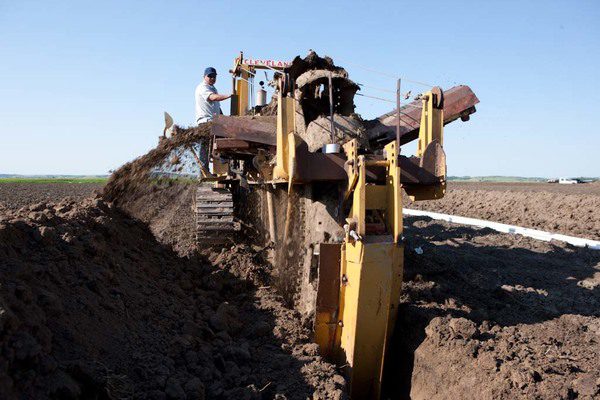
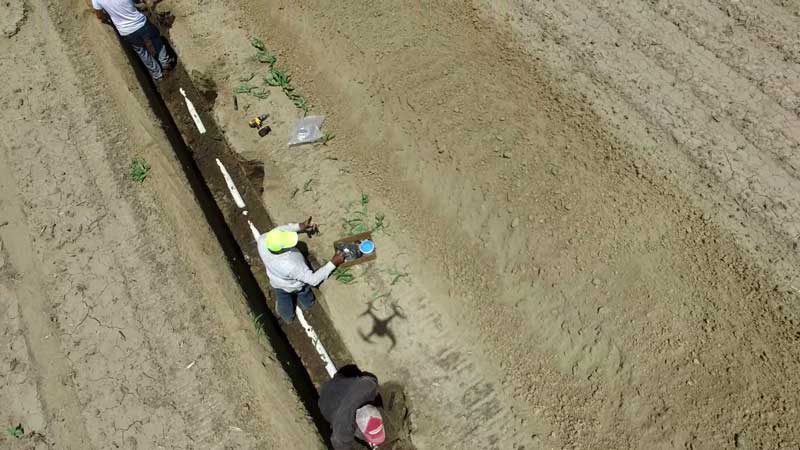
Once the design is approved, the physical installation begins. The crew will use a trencher or pipe-pulling machine to create narrow channels for the driplines at the specified depth (typically 4-6 inches for turf). They will carefully lay the driplines according to the design, ensuring proper spacing for uniform coverage.
Step 4: Component Installation
Next, the core components of the system are installed. This includes connecting the system to the main water line, installing the backflow preventer (a crucial safety device), and setting up the filtration system, pressure regulator, and zone valves in a valve box for easy access.
Step 5: System Flushing and Testing
Before the emitters are fully connected and the trenches are backfilled, the entire system is flushed with high-pressure water to clear out any dirt or debris that may have entered the pipes during installation. After flushing, the system is pressure-tested to check for leaks. Each zone is run individually to ensure the emitters are working correctly and delivering the right amount of water.
Step 6: Final Connections and Controller Setup
The final step is to connect all components and program the irrigation controller. The installer will set up a customized watering schedule based on your plant needs, soil type, and local weather patterns. They will also show you how to operate the controller and make seasonal adjustments.
System Maintenance and Troubleshooting
While SDI systems are low-maintenance, they do require some periodic attention to perform at their best. A professional installer will provide you with a maintenance schedule and tips for troubleshooting common issues.
- Filter Cleaning: The main filter should be checked and cleaned regularly (monthly or quarterly, depending on water quality) to prevent clogs.
- System Flushing: The driplines should be flushed annually to clear out any sediment that has bypassed the filter.
- Pressure Checks: It’s a good idea to check the system’s operating pressure periodically to ensure the regulator is functioning correctly.
If you notice dry spots or overly wet areas, it could indicate a clog or a leak. Your installer can provide guidance on how to identify and resolve these issues.
Cost Considerations for Professional Installation
The cost of a professionally installed subsurface drip irrigation system varies based on several factors:
- Size of the Area: Larger properties require more materials and labor, increasing the overall cost.
- Complexity of the Design: Irregularly shaped lawns or complex garden layouts can require more intricate planning and installation.
- Soil Type: Rocky or compacted soil can make trenching more difficult and time-consuming.
- Quality of Components: High-quality driplines, filters, and controllers may have a higher upfront cost but offer better longevity and reliability.
While the initial investment may be higher than for a traditional sprinkler system, the long-term savings in water, maintenance, and plant replacement often provide a strong return on investment.
Proven Success with Western Irrigation
To illustrate the benefits of professional SDI installation, consider the work of Western Irrigation. One recent project involved a large residential property with expansive lawns and diverse garden beds. The homeowner was struggling with high water bills and inconsistent results from an old sprinkler system.
The team at Western Irrigation designed and installed a multi-zone SDI system tailored to the unique needs of each landscape area. The result was a 40% reduction in water usage, a lush, uniformly green lawn, and healthier, more vibrant plants in the garden beds. The homeowner was thrilled with not only the water savings but also the improved aesthetic and reduced hassle of the new system.
Invest in Your Landscape’s Future
Hiring a professional to install your subsurface drip irrigation system is not an expense—it is an investment in the health, beauty, and sustainability of your landscape. By choosing an experienced and certified installer like Western Irrigation, you ensure that your system is designed for efficiency, built to last, and perfectly suited to your property’s needs. Take the first step toward a smarter way to water by contacting a qualified professional today.