
What Influences the Cost of Subsurface Drip Irrigation per Acre?
What Influences the Cost of Subsurface Drip Irrigation per Acre?
Upgrading your agricultural or landscape watering strategy is a major financial decision, and figuring out the exact investment can feel overwhelming at first. With so many variables involved, it’s not always easy to pinpoint what you’ll actually spend per acre.
The reality is that subsurface drip irrigation (SDI) costs are influenced by several key factors. Material choices, for instance, can significantly affect your budget—higher-quality tubing and filtration systems may cost more upfront but often deliver better durability and efficiency over time. Field topography also plays a role; uneven or sloped land may require additional design considerations and installation work. Labor costs vary depending on the complexity of the project, while the integration of smart technologies—such as automated controllers and moisture sensors—can add to initial expenses but improve long-term water savings and crop performance.
Initial System Components and Materials
The Role of Drip Tape and Emitters
The thickness (mil) of the drip tape and the spacing of the emitters impact both the upfront investment and the system’s longevity. Thicker drip tape provides enhanced durability against pests and soil pressure, but it requires a larger initial material purchase. Emitter spacing also changes the total material needed; closer spacing delivers more uniform water distribution for high-density crops but increases the volume of components required per acre.
Filtration Systems for Reliable Operation
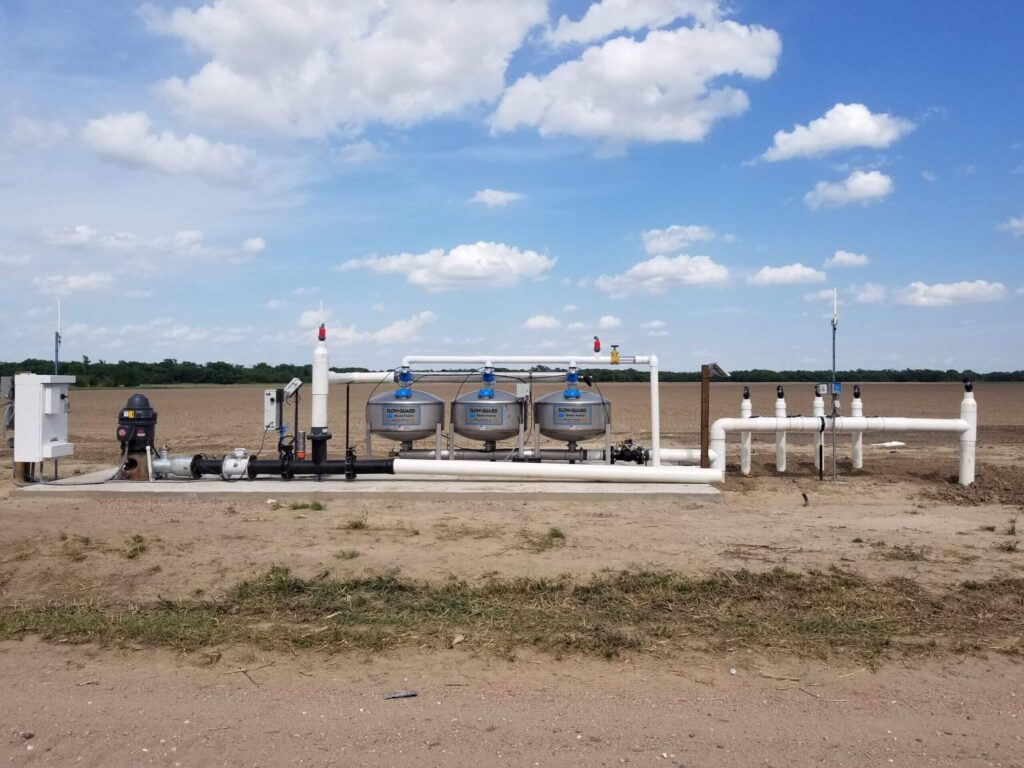
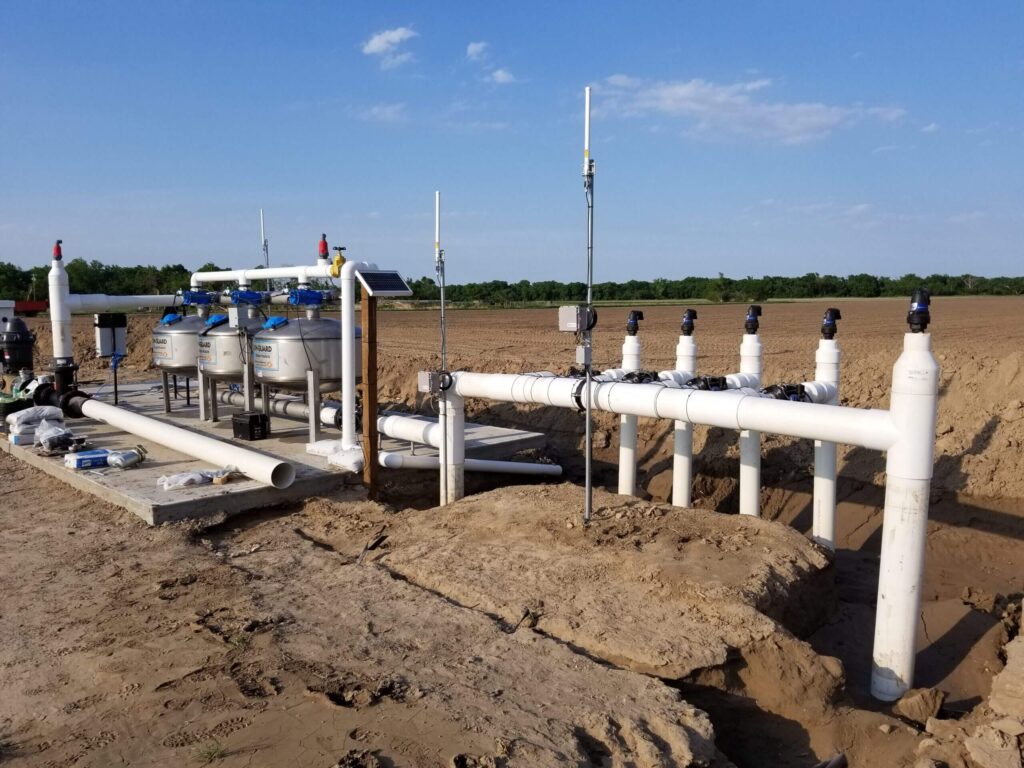
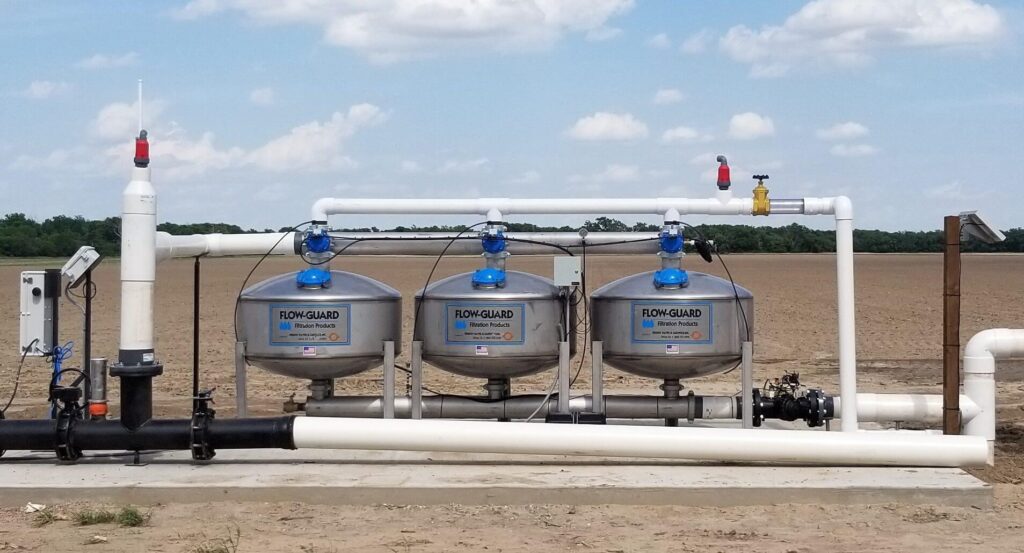
High-quality sand media or screen filters are strictly necessary to prevent clogs and protect the entire underground infrastructure. Subsurface systems are highly susceptible to particulate buildup, making commercial-grade filtration a non-negotiable component of the initial setup. Choosing a robust filtration unit ensures reliable operation over multiple seasons, avoiding disruptive maintenance issues that arise from compromised emitters.
Pumps, Valves, and Mainline Infrastructure
Moving water efficiently across vast acreage relies heavily on PVC mainlines, pressure regulators, and properly sized pumping stations. The diameter and pressure rating of the PVC pipes must match the hydraulic demands of the field, which scales up the material requirements. Pressure regulators and automated valves ensure consistent flow rates throughout the system, forming a critical backbone that heavily influences the baseline setup investment.
Terrain and Topography Challenges
Adapting to Elevation Changes and Slopes
Uneven ground requires specialized pressure-compensating emitters and complex hydraulic engineering to ensure even water distribution. When fields feature significant elevation changes, the system design must account for gravity and pressure variations, which typically involves additional valves and specialized components. This advanced engineering necessary for sloped terrain naturally requires a higher level of investment compared to perfectly flat landscapes.
Soil Types and Their Impact on Trenching
Rocky or heavily compacted clay soils require heavy machinery and extended time to trench compared to loose, sandy loam. The physical resistance of difficult soil profiles slows down the installation process and increases machinery wear, directly impacting labor and equipment hours. Conversely, easy-to-work soils allow installation teams to move quickly, keeping trenching operations highly efficient.
Navigating Natural Obstacles and Irregular Layouts
Installing irrigation system lines in perfectly square, flat fields is highly efficient, whereas plots with natural barriers or irregular borders demand intricate planning. Trees, rock formations, and uneven property lines force installers to use more fittings, shorter tape runs, and custom layouts. Navigating these obstacles requires additional manual labor and specialized parts to adapt the subsurface network to the specific geometry of the land.
Field Size and Scale of Installation
Understanding Economies of Scale in Agriculture
Purchasing materials in bulk for hundreds of acres can significantly lower the per-acre expenditure compared to small, single-acre plots. Manufacturers and suppliers typically offer tiered volume discounts on drip tape, PVC, and filtration units for large-scale agricultural operations. Because the baseline infrastructure like pumps and mainlines can service larger areas, the proportional investment per acre drops as the project size expands.
Designing for Linear vs. Fragmented Fields
Continuous, long runs of drip tape are much more efficient to install than multiple short runs requiring extra fittings and control valves. Fragmented fields demand a higher concentration of manifolds, flush valves, and connections, which drives up material and labor requirements. Maximizing linear runs reduces the complexity of the subsurface network and streamlines the entire installation process.
Phased Implementations for Large Acreage
Breaking down massive projects into manageable, budget-friendly phases over multiple growing seasons helps operations manage upfront financial impacts. A phased approach allows agricultural businesses to install the primary mainline infrastructure first, then gradually add subsurface laterals to different field zones over time. This strategic scheduling ensures the operation can modernize its irrigation methods while maintaining healthy cash flow.
Labor and Installation Expertise
The Necessity of Professional Site Assessment
Thorough planning and custom engineering are critical steps that prevent expensive mid-installation corrections and system failures. A professional site assessment maps out precise hydraulic zones, soil characteristics, and topographical challenges before any ground is broken. Investing in expert design upfront guarantees the system will perform at peak efficiency, avoiding the severe financial consequences of an improperly scaled layout.
Trenching, Laying, and Sealing the Lines
Properly burying the subsurface lines at the correct depth requires specialized manual labor and advanced machinery. The physical installation process involves GPS-guided tractors and specialized implements to inject the drip tape directly into the root zone without damaging the material. Securing all connections and sealing the lines tightly prevents underground leaks, demanding meticulous attention to detail from the installation crew.
Why Western Irrigation Prioritizes Quality Craftsmanship
Relying on an experienced team like Western Irrigation ensures the system is installed right the first time, backed by industry knowledge and cutting-edge technology. Expert technicians understand the nuances of subsurface dynamics, utilizing precise terminology and proven methodologies to construct resilient networks. Professional craftsmanship safeguards the entire agricultural investment by delivering a dependable, high-performing irrigation system built for long-term success.
Water Source and Quality Management
Addressing Well vs. Surface Water Challenges
Preparing clean well water requires different equipment compared to filtering debris-heavy surface water pulled from ponds or canals. Surface water typically contains algae, silt, and organic matter, demanding heavy-duty sand media filters to prevent emitter clogging. Well water might carry fewer large particulates but often requires chemical treatments to address dissolved minerals, shifting the type of water management equipment needed.
Chemical Injection and Fertigation Add-Ons
Integrating fertilizer injection pumps directly into the irrigation mainline allows for precise nutrient delivery directly to the plant roots. These fertigation systems require specialized holding tanks, injector pumps, and backflow prevention devices to operate safely and effectively. While adding this equipment alters the initial installation scope, it transforms the irrigation network into a comprehensive plant health management tool.
Long-Term Treatment Costs for Hard Water
High-mineral water requires specific treatment equipment to prevent calcium and magnesium from calcifying and ruining subsurface emitters. Acid injection systems are often necessary to lower the pH of the water and keep the drip tape pathways clear over time. Factoring in this specialized treatment equipment is essential for operations relying on hard water sources to maintain continuous system functionality.
Automation and Smart Technology Integration
Upgrading to Weather-Based Smart Controllers
Installing automated control panels that adjust watering schedules based on local climate data optimizes daily water usage. These intelligent controllers connect to local weather stations to pause irrigation during rain events or increase flow during extreme heat. Upgrading the central control hub to a smart system requires advanced wiring and programming, enhancing the overall precision of the setup.
Soil Moisture Sensors for Real-Time Adjustments
Burying sensors in the root zone adds to the initial setup but provides precise data to prevent overwatering and crop stress. These technological devices transmit real-time moisture levels back to the main controller, ensuring water is only applied when the soil profile actually requires it. Integrating these diagnostic tools elevates the agricultural operation by removing all guesswork from the daily irrigation schedule.
Remote Monitoring Systems and Software
Adding cloud-based monitoring tools allows property managers to oversee and adjust their entire acreage from a smartphone or computer. These software platforms provide instant alerts for pressure drops, leaks, or system malfunctions, enabling rapid response to field issues. The technology necessary for remote connectivity requires specialized cellular or radio communication hardware to link the field infrastructure to digital devices.
Long-Term ROI and Maintenance Considerations
Routine Flushing and Winterization Needs
Minimal annual labor is required to properly flush the subsurface lines and blow out systems before freezing winter temperatures arrive. Establishing a routine maintenance schedule prevents sediment buildup and protects the delicate plastic components from ice expansion damage. Accounting for these basic seasonal protocols ensures the irrigation network remains fully functional year after year without major part replacements.
Savings on Water Utilities and Fertilizer
The extremely high efficiency of subsurface delivery offsets initial setup expenditures by drastically reducing monthly utility bills and chemical waste. By applying water and nutrients below the soil surface, the system eliminates evaporation and runoff, ensuring every drop reaches the root zone. This targeted application significantly lowers the ongoing operational expenses required to maintain healthy, productive fields.
Increased Crop Yields and Plant Health
Healthier root systems, fewer fungal diseases, and consistently higher harvest yields generate a powerful financial return over the lifespan of the system. Keeping the soil surface dry prevents weed germination and reduces the moisture-related plant diseases commonly caused by overhead sprinklers. The optimized growing environment created by subsurface drip irrigation directly translates to a more profitable and abundant agricultural harvest.
Planning Your Subsurface Irrigation Investment
The final setup requirements for subsurface drip irrigation per acre never represent a one-size-fits-all number. Every project remains highly dependent on specific terrain challenges, exact material choices, baseline water quality, and the level of automation desired.
Take the guesswork out of agricultural planning by mapping out the property’s exact dimensions and water access points. Reach out to professional designers to request a tailored, comprehensive estimate that perfectly aligns with the unique demands of the landscape.