Water Management in Agriculture: Small Adjustments That Make a Big Difference
Water Management in Agriculture: Small Adjustments That Make a Big Difference
Water is the lifeblood of agriculture. For generations, farmers have watched the skies and monitored the soil, knowing that their livelihood depends on this precious resource. But today, the stakes are higher than ever. Aquifer depletion is a growing reality across major farming regions, and erratic weather patterns have made rainfall less predictable than in decades past.
It’s no longer enough to just get water to the crops; the modern challenge is doing so with absolute precision.
Efficient water management is essential for both environmental sustainability and financial viability. Wasting water isn’t just an ecological issue—it drains profitability through higher energy bills and equipment wear. The good news is that you don’t always need a complete infrastructure overhaul to see results. Small, strategic adjustments often yield the most significant returns.
At Western Irrigation, we understand these challenges intimately. As a trusted partner in professional irrigation systems and installation, we help growers find the sweet spot between conservation and high yields.
The Cost of Inefficient Water Use
When we talk about the “cost” of water, we often look only at the price per gallon or acre-foot. However, the true cost of inefficient irrigation runs much deeper. Traditional methods, such as flood irrigation or poorly maintained pivot systems, often result in significant water loss through evaporation and runoff before the moisture even reaches the root zone.
This waste triggers a domino effect of expenses:
- Energy Consumption: Pumping water requires massive amounts of electricity or fuel. Every gallon pumped that doesn’t benefit the crop is direct profit loss.
- Equipment Wear: Overworking pumps and filtration systems to compensate for inefficiency shortens their lifespan, leading to expensive repairs or premature replacement.
- Nutrient Leaching: Excessive runoff doesn’t just take water away; it carries away valuable fertilizers and nutrients, requiring you to spend more on inputs to maintain soil health.
By tightening up water usage, you aren’t just saving a natural resource; you are directly protecting your bottom line.
Understanding Your Soil’s Needs
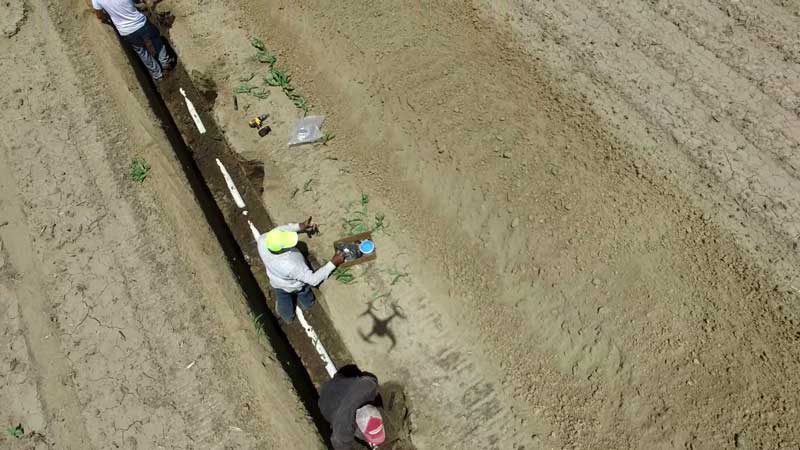
You can’t manage what you don’t understand. The first step toward efficiency is a rigorous analysis of your soil profile. Different soil types interact with water in vastly different ways, and treating a sandy loam field the same as a heavy clay field is a recipe for inefficiency.
Soil Analysis Tips:
- Identify Texture: Sandy soils drain quickly and have low retention, requiring frequent, shorter irrigation cycles. Clay soils hold water tightly but absorb it slowly, meaning high-volume watering often leads to runoff rather than penetration.
- Know Your Infiltration Rate: This is the speed at which water enters the soil. If your irrigation application rate exceeds your soil’s infiltration rate, you are paying for water that is simply flowing into the nearest ditch.
- Root Zone Depth: Understanding how deep your crop’s roots go helps you calculate how much water is actually needed to refill the reservoir available to the plant, preventing deep percolation where water pushes past the roots and becomes inaccessible.
Precision Irrigation: Delivering Water Where It’s Needed
Broad-spectrum watering is becoming a relic of the past. Precision irrigation is about delivering the exact amount of water the plant needs, exactly where it needs it.
Drip Irrigation:
This method is the gold standard for efficiency in many row crops and orchards. By delivering water directly to the base of the plant (or underground near the roots), drip systems eliminate evaporation losses almost entirely. It also keeps the foliage dry, which can reduce the prevalence of fungal diseases.
Micro-Sprinklers:
For tree crops where localized climate control is also a factor, micro-sprinklers offer a balance. They provide efficient low-volume irrigation while creating a larger wetted pattern than drip emitters, which can be beneficial for certain root structures.
Shifting to these methods often results in higher crop uniformity and yields because plants suffer less stress from the “feast or famine” cycles common in flood irrigation.
Timing is Everything: Smart Scheduling
The “when” is just as critical as the “how much.” Watering during the heat of the day is one of the most common sources of water loss. High temperatures and wind can cause a significant percentage of water to evaporate before it ever hits the ground.
Optimal Timing
Irrigating during the early morning drastically minimizes water loss to evaporation. Cooler temperatures and lower wind levels create ideal conditions for water to soak into the soil, promoting efficient hydration for plants and roots.
Late evening irrigation likewise reduces evaporation risks, allowing water to penetrate deeply without interference from intense sunlight. This timing ensures that plants receive sufficient moisture, fostering optimal growth and conserving water resources effectively.
Automated Scheduling
Relying on manual scheduling is labor-intensive and prone to error. Smart irrigation controllers take the guesswork out of the equation. These systems can be programmed to run cycles during optimal windows and can even pause scheduled watering if they detect recent rainfall, ensuring you never double-water a field.
Leveraging Technology for Better Water Management
We are living in the age of AgTech, and accessible tools are changing the game for water management. You don’t need a degree in computer science to leverage data for better crops.
Soil Moisture Sensors
These probes are buried at various depths in the root zone to provide real-time data on soil moisture levels. Rather than relying on a set schedule, you water based on the actual moisture content the soil holds, optimizing water use efficiently.
Weather-Based Controllers
Weather-based controllers automatically adjust irrigation schedules using local weather data, evapotranspiration (ET) rates, and forecasted rain. This technology ensures your crops get the right amount of water when needed, minimizing waste while improving overall irrigation accuracy.
Mobile Management
Modern irrigation systems often connect to mobile apps, granting instant access to monitor flow rates, detect leaks, and adjust watering schedules remotely. Whether you’re in your truck or office, you can maintain precise control over your irrigation process conveniently.
These tools provide the actionable data needed to make micro-adjustments that save millions of gallons over a growing season.
Maintenance Matters: Keeping Systems Efficient
The most sophisticated technology in the world cannot compensate for a neglected system. Leaks, clogged nozzles, and worn-out gaskets are silent thieves, robbing your operation of efficiency.
Regular maintenance is the lowest-hanging fruit in water conservation. A simple preseason audit can save significant headaches later. Here is a basic checklist to keep your system tight:
- Inspect Nozzles and Emitters: Check for clogs or wear patterns that distort the spray. A worn nozzle can output significantly more water than its rating.
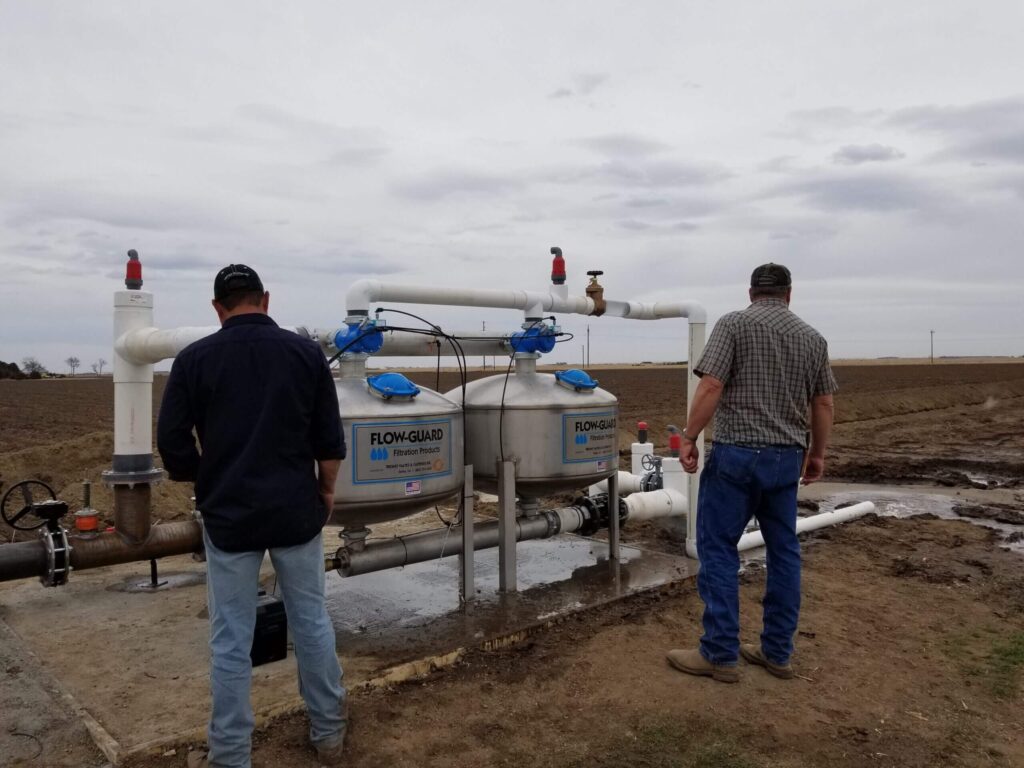
- Check Pressure: Ensure the system is operating at the design pressure. Too high, and you get misting (drift); too low, and you get poor distribution uniformity.
- Fix Leaks Immediately: A small drip at a coupling might seem negligible, but multiplied over miles of line and hundreds of hours of runtime, it adds up to substantial loss.
- Flush the Lines: Sediment buildup can alter flow rates and damage components. Regular flushing keeps the water moving smoothly.
Partnering with Western Irrigation for Sustainable Solutions
Navigating the complexities of modern water management can be overwhelming, but the benefits—lower operational costs, improved yields, and a sustainable future—are undeniably worth the effort. Even small changes, like upgrading to precision nozzles or enhancing soil monitoring, can make a big difference in efficiency and resource conservation.
At Western Irrigation, we understand the unique challenges faced by today’s producers. Our team specializes in creating tailored irrigation solutions, from system redesigns to the strategic installation of advanced technologies. Every step we recommend is designed to meet the individual requirements of your crops, soil, and budget.
We aren’t just providers of irrigation equipment—we’re partners in sustainability. By offering professional advice and cutting-edge tools, we help you manage water effectively while preserving your land for future generations. Together, we can steward this vital resource and secure the long-term success of your operation.
Take the Next Step Toward Efficiency
Are you ready to optimize your water usage and protect your bottom line? You don’t have to overhaul your operation overnight. Start by identifying one area for improvement, whether that’s a system audit or installing moisture sensors.
Contact Western Irrigation today for a consultation. Let’s work together to build a more efficient, resilient future for your farm.