
Using Drip Irrigation to Improve Water Distribution in Corn Fields
Using Drip Irrigation to Improve Water Distribution in Corn Fields
Water scarcity presents a growing challenge for agriculture across the globe. As unpredictable weather patterns become the norm, farmers are looking for reliable ways to sustain their crops and protect their livelihoods. Efficient irrigation is especially critical in corn cultivation, where proper water management directly dictates the size and quality of the harvest.
Fortunately, drip irrigation system offers a highly sustainable and effective solution. By delivering water directly to the plant’s root zone, this method eliminates the waste associated with traditional watering techniques. If you want to optimize your water distribution, Western Irrigation has the expertise and technology to help you transform your corn fields.
Understanding Drip Irrigation
What is drip irrigation?
Drip irrigation is a targeted watering method that slowly releases moisture directly to the base of the plant. Instead of spraying large areas, the system uses a network of tubes and emitters to provide a steady, controlled drip. A standard setup includes a water source, filters to prevent clogging, pressure regulators to maintain consistent flow, main tubing, and specialized emitters spaced along the crop rows.
How it compares to traditional methods
Older methods like flood or sprinkler irrigation broadcast water across the entire field. Flood irrigation can cause soil erosion and massive runoff. Sprinklers lose a significant amount of water to wind and evaporation before it ever reaches the soil. Drip systems bypass these issues by keeping the water close to the ground and focused exclusively on the crop roots.
General advantages
Beyond water conservation, targeted watering means fewer weeds and healthier soil structure. You also gain precise control over the timing and volume of your watering schedule, making it easier to adapt to changing weather conditions throughout the season.

The Specific Benefits of Drip Irrigation in Corn Fields
Enhanced Water Use Efficiency
Corn requires a substantial amount of water, particularly during its peak growth stages. Drip irrigation meets this demand by delivering water directly to the root zone. This subsurface or surface-level delivery means the water reaches the plant before the sun can evaporate it.
By eliminating the spray of water through the air and the flooding of empty furrows, evaporation and runoff are virtually eliminated. Farmers who switch to drip systems routinely see massive water savings compared to traditional methods. You can grow the same amount of corn—or more—using a fraction of the water.
Optimized Nutrient Delivery (Fertigation)
One of the most powerful features of a drip system is fertigation. This is the process of applying liquid fertilizers directly through the irrigation water.
Fertigation allows farmers to spoon-feed nutrients to the corn exactly when the plants need them. Because the fertilizer is delivered directly to the root zone with the water, nutrient uptake is highly efficient. This prevents nutrient leaching, where heavy watering washes expensive fertilizers deep into the soil and away from the roots. It protects the local water table from chemical runoff while saving money on fertilizer costs.
Improved Corn Yield and Quality
Corn plants thrive on consistency. Fluctuations between extreme dry and wet soil conditions cause severe stress, which stunts growth and reduces yield. Drip irrigation maintains a consistent moisture level in the soil, creating the perfect environment for optimal growth.
By reducing plant stress, corn stalks grow stronger and produce larger, more uniform ears. Data consistently shows that farmers utilizing precision irrigation methods experience notable yield increases in their corn fields, maximizing the return on their investment.
Disease and Weed Control
Sprinkler systems cover the entire plant in water. Wet foliage is a breeding ground for harmful fungal diseases, which can quickly decimate a corn crop. Because drip systems apply water at the ground level, the leaves remain dry, naturally reducing the risk of fungal infections.
Additionally, this method only waters the targeted crop area. The soil between the corn rows stays dry, making it extremely difficult for weed seeds to germinate and compete with the corn for nutrients.
Energy and Labor Savings
Pumping water requires a massive amount of energy. Because drip systems use significantly less water and operate at lower pressures than heavy-duty center pivots or large sprinklers, pumping costs decrease dramatically.
Furthermore, these systems offer incredible automation possibilities. With automated timers and controllers, the need for manual labor to move pipes, dig furrows, or monitor flood levels is eliminated. Combined with the reduction in necessary weeding, farm labor can be redirected to more profitable tasks.
Designing and Implementing a Drip Irrigation System for Corn
Site Assessment and Planning
A successful irrigation system starts with a thorough site assessment. The soil type dictates how water will spread horizontally and vertically, which influences how far apart the drip lines should be placed. Topography is also crucial; rolling hills require specific pressure compensation strategies to ensure even watering.
You also need to analyze your water source for availability and quality. High levels of sediment or minerals require specialized filtration. Finally, the field layout and your specific corn row spacing will determine the blueprint for the entire system.
Component Selection
Selecting the right components makes or breaks the system. Emitter types and spacing must match your soil’s capillary action and the specific water requirements of corn.
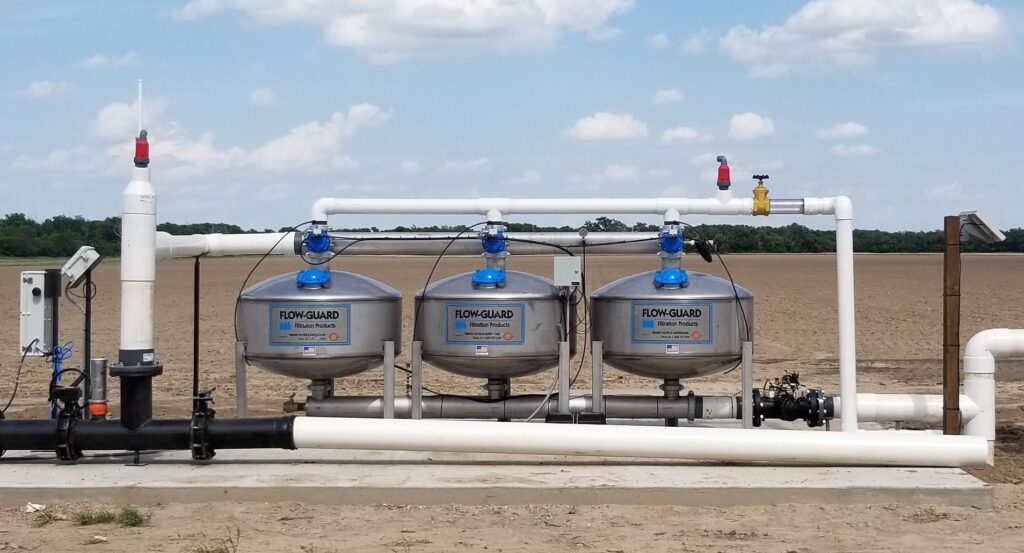
The infrastructure requires durable mainlines to carry water from the source, sub-mains to distribute it across sections, and laterals (the actual drip lines) to run down the rows. High-quality filtration systems, such as sand media or screen filters, are mandatory to prevent emitter clogging. Pressure regulators must be installed at key points to maintain consistent flow rates across the entire field.
Installation Best Practices
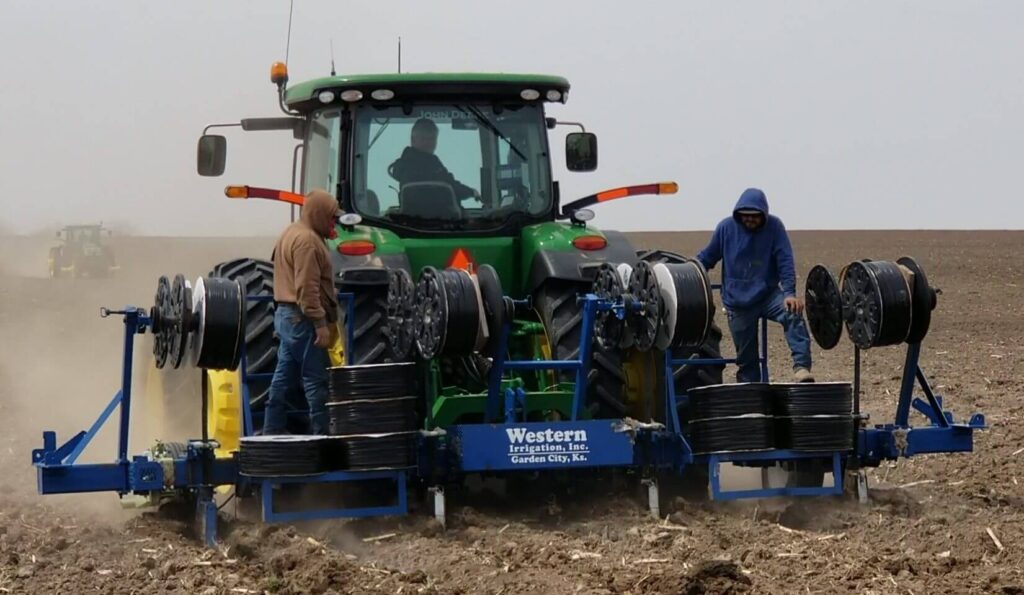
Proper installation ensures longevity. Drip lines can be laid on the surface or trenched below ground (subsurface drip irrigation). Subsurface installation protects the lines from farm machinery and sun damage but requires careful planning.
Connecting components requires precision to prevent leaks that can undermine the system’s efficiency. Once everything is connected, you must thoroughly test the system. Flushing the lines before capping the ends removes any dirt that entered during installation, and running a pressure test ensures all emitters are functioning correctly.
Considerations for Specific Corn Growth Stages
Corn has distinct watering requirements at different phases of its life cycle. During planting and early growth, moderate watering encourages deep root development.
However, during the critical tasseling and silking phases, water demand skyrockets. A lack of moisture during this window severely impacts kernel formation and overall yield. During the grain fill stage, consistent moisture ensures the kernels reach their maximum weight. A well-designed drip system allows you to adjust the watering schedule precisely to meet these changing demands.
Managing Your Drip Irrigation System for Optimal Performance
Monitoring and Maintenance
Even the best systems require active management. Regular inspections are vital to catch minor issues before they become major problems. Walk the lines to check for leaks caused by rodents or machinery, and look for dry spots that indicate clogged emitters.
Flushing the system periodically removes accumulated sediment and mineral buildup from the lines. Seasonal checks, including winterizing the system in colder climates like Nebraska, protect the components from freezing and cracking.
Automation and Sensors
Modern technology takes the guesswork out of irrigation. Soil moisture sensors provide real-time data on exactly how much water is available in the root zone.
When paired with local weather stations and automated controllers, the system can adjust watering schedules based on rainfall, temperature, and soil conditions. This precise scheduling ensures the corn receives the exact amount of water it needs, right when it needs it, without requiring constant manual adjustment.
Troubleshooting Common Issues
The most common issue with drip irrigation is clogging. This is usually caused by inadequate filtration or algae growth in the lines. Regular chemical treatments, such as mild acid or chlorine injections, can keep the lines clear. Pressure drops usually indicate a leak in the mainline or a failing pump, requiring immediate attention to restore proper flow.
Western Irrigation’s Expertise in Corn Drip Irrigation
How Western Irrigation assists farmers
At Western Irrigation, we do more than just sell equipment; we partner with farmers to build highly efficient agricultural systems. Located near Nebraska, USA, we specialize in understanding the unique demands of Midwestern agriculture. We provide comprehensive site assessments, custom system design, and professional subsurface irrigation installation services to ensure your corn crop reaches its full potential.
Our range of specialized products
We stock a wide array of premium drip irrigation products designed specifically for high-yield crops like corn. From heavy-wall subsurface drip tape to advanced media filtration systems and smart automation controllers, we provide the reliable hardware required to run a massive agricultural operation efficiently.
Our commitment to sustainable agriculture
We believe that farming success and environmental stewardship go hand in hand. By equipping local farmers with precision irrigation technology, we help conserve vital water resources for future generations while maximizing the profitability of today’s harvests. Your success is our primary goal.
Grow Better Corn with Smart Irrigation
Drip irrigation fundamentally changes how you manage your corn fields. By maximizing water efficiency, streamlining fertilizer application, and reducing labor costs, it offers a clear path to higher yields and better profit margins. Adopting this technology is a smart, sustainable choice for the future of your farm.
Ready to upgrade your watering strategy? Contact Western Irrigation today for a consultation, and let our experts help you optimize your corn field’s water distribution.