
The Role of Water Filtration in Preventing Drip System Failure
The Role of Water Filtration in Preventing Drip System Failure
Drip irrigation delivers precise hydration right to the root zone, maximizing agricultural yield while conserving valuable resources. However, this precision relies on microscopic pathways that are highly vulnerable to unseen water impurities. A system designed to release water drop by drop can easily be compromised by particles smaller than a grain of sand.
This guide breaks down the critical role of water filtration in maintaining drip systems, helping agricultural operators prevent catastrophic clogs and protect vital investments. Understanding the mechanics of water quality management ensures that crops receive exactly what they need, exactly when they need it.
The Mechanics of Drip Irrigation and Vulnerabilities
How Micro-Emitters Function
Micro-emitters operate by channeling water through an internal labyrinth of narrow passages within drip tape and micro-sprinklers. This intricate design purposefully restricts water flow to lower the pressure, allowing the system to deliver precise, drop-by-drop hydration directly to the plant’s root zone. This mechanism guarantees that water is applied slowly and evenly, which prevents soil erosion and reduces runoff. Because these internal pathways are exceptionally small, the water flowing through them must be exceptionally clean to maintain the intended flow rate and distribution uniformity.
The Threat of Microscopic Debris
Even the smallest particles of sand, silt, or organic matter pose a severe threat to the functionality of these narrow pathways. When debris enters the irrigation line, it easily lodges inside the labyrinth of the emitters, causing permanent blockages that disrupt water distribution. A single blocked emitter might seem insignificant, but a system-wide accumulation of these microscopic blockages rapidly degrades the efficiency of the entire field.
The Cost of Emitter Failure
The financial and agricultural impact of clogged lines extends far beyond the physical components of the irrigation system. Uneven water distribution leads directly to uneven crop growth, stressing plants and reducing overall yield quality. Furthermore, precision-applied fertilizer is wasted when blockages prevent nutrients from reaching the targeted root zones. Agricultural operations then face heavy labor costs associated with locating blocked sections, manually repairing lines, and replacing severely damaged drip tape.
Common Contaminants Threatening Your Drip Lines
Inorganic Matter
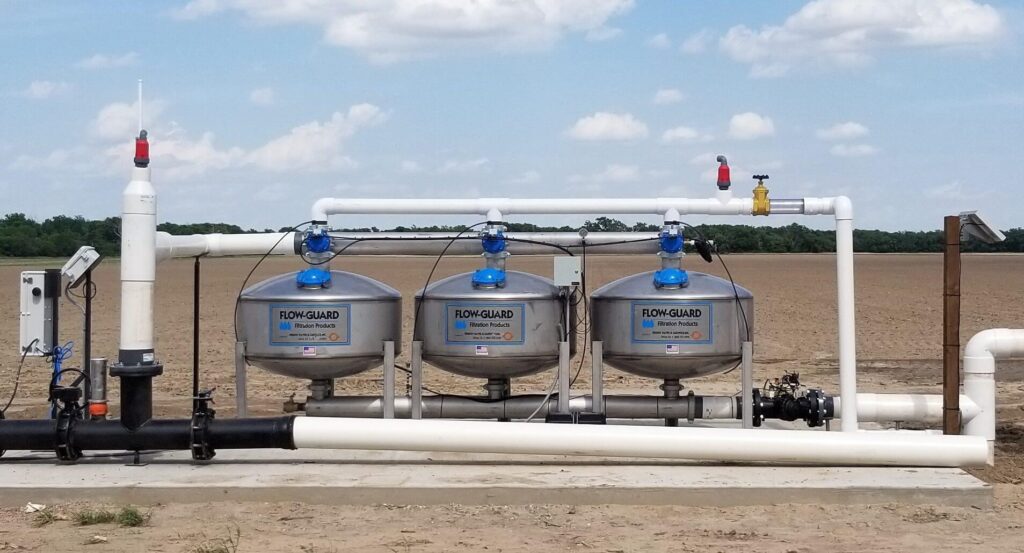
Physical threats like sand, silt, and grit frequently enter irrigation systems through well water sources. These abrasive materials tumble through the water stream, causing severe wear and tear on sensitive irrigation components before eventually lodging in the micro-emitters. Heavy concentrations of inorganic matter quickly overwhelm unprotected systems, severely reducing the lifespan of valves, pressure regulators, and the drip tape itself.
Organic Matter and Biological Growth
Surface water sources such as ponds, canals, and reservoirs frequently introduce algae, bacteria, and aquatic weeds into the irrigation flow. This biological matter creates a sticky, viscous slime that coats the inside of the plumbing and easily seals off the narrow water passages within emitters. Because organic material is flexible and stringy, it often squeezes through basic screens, requiring specialized filtration strategies to successfully capture and remove it.
Chemical Precipitates
Hard water contains high levels of dissolved minerals, such as calcium, magnesium, and iron, which pose a unique threat to irrigation infrastructure. As water temperature fluctuates or evaporation occurs at the emitter orifice, these dissolved minerals solidify and form hard scale deposits inside the drip tape over time. This chemical scaling slowly chokes off the water supply, often requiring chemical interventions to dissolve the hardened precipitates before the emitters seal completely.
Primary Filtration Defenses: Screen and Disk Filters
Screen Filters for Inorganic Defense
Screen filters utilize a rigid mesh made of stainless steel or durable plastic to physically block contaminants from moving downstream. They serve as an excellent primary defense against hard particulates like sand and gravel, catching the debris against the screen while allowing clean water to pass. This type of filter is highly effective for relatively clean water sources, offering a straightforward, easy-to-clean solution for isolating inorganic matter.
Disk Filters for Biological Loads
Disk filters consist of hundreds of tightly stacked, grooved plastic disks that create a deep, three-dimensional filtration matrix. Unlike thin screen meshes, this deep matrix traps flexible, stringy organic materials like algae and plant matter that would otherwise slip through and clog the system. As water is forced through the microscopic intersections of the stacked disks, biological loads are effectively captured, making disk filters ideal for operations drawing from surface water.
Determining the Right Mesh Size
Selecting the correct filtration level requires matching the filter’s micron rating or mesh size with the specific orifice size of the drip emitters. The general industry standard requires the filter mesh to be at least one-tenth the size of the emitter’s smallest passageway to guarantee absolute protection. Consulting the manufacturer’s specifications for the installed drip tape ensures that the chosen filter captures particles before they can cause internal blockages.
Advanced Filtration for Challenging Water Sources
Media Filters for Heavy Contamination
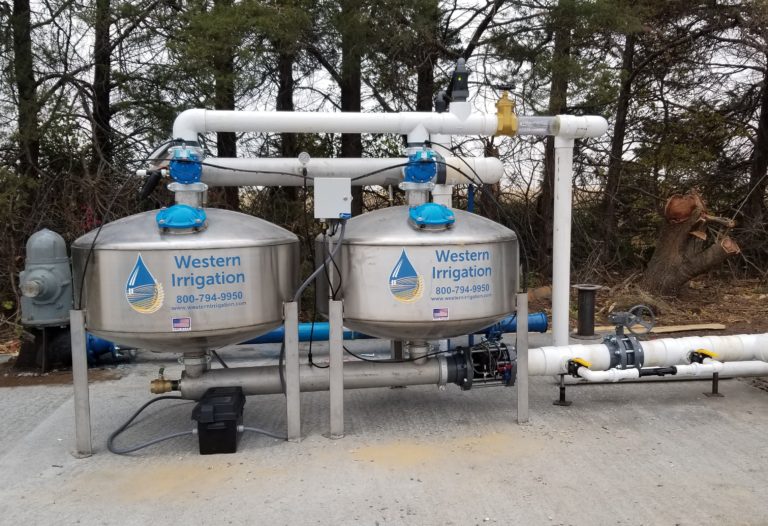
When dealing with problematic surface water carrying massive volumes of algae and silt, media filters provide the highest level of protection. These large tanks are filled with crushed silica or sand, forcing the water to percolate through a deep bed of sharp-edged particles that snare organic matter and fine debris. Media filters hold significantly more contaminants than screen or disk filters before requiring a backwash, making them indispensable for high-volume, heavily contaminated water sources.
Centrifugal Separators as Pre-Filters
Hydrocyclones, or centrifugal separators, use rapid spinning action to pull heavy grit and sand out of the water column before the water ever reaches the primary filtration unit. As the water spirals inside the conical chamber, centrifugal force pushes dense inorganic particles to the outer walls, where they slide down into a collection chamber. Implementing a separator as a pre-filter dramatically reduces the physical load on the main filters, extending the time between cleaning cycles and protecting the primary mesh from abrasive damage.
Integrating Western Irrigation Solutions
Western Irrigation designs and implements multi-stage, custom water filtration configurations tailored to address specific, site-level water challenges. By combining pre-filtration separators with primary media or disk filters, operators receive a comprehensive defense mechanism that ensures reliable operation and superior service. Trusting authorized designers and installers to integrate the latest technology guarantees that the entire irrigation network operates at peak efficiency from the pump to the plant.
The Impact of Water Source on Filtration Strategy
Groundwater vs. Surface Water Needs
Deep wells and surface reservoirs present entirely distinct filtration requirements that dictate system design. Groundwater often pumps up fine sand, grit, and dissolved minerals, making centrifugal separators and screen filters the most logical choices for protection. Conversely, reservoirs and canals suffer from heavy algae blooms and organic loads, requiring the deep-filtration capabilities of disk or sand media filters to prevent biological clogging.
Seasonal Variations in Water Quality
Water clarity rarely remains constant throughout the year, requiring filtration approaches that account for inevitable seasonal shifts. Heavy rainy seasons and agricultural runoff events introduce sudden spikes in silt and clay, while extended droughts can concentrate dissolved minerals and trigger massive algae blooms in stagnant surface water. Anticipating these variations allows operators to adjust backwash frequencies and prepare chemical treatments before water quality degrades enough to threaten the drip lines.
Water Testing Protocols
A comprehensive water analysis accurately identifies the exact concentrations of suspended solids, biological hazards, and dissolved minerals present in the source water. Conducting this test is a mandatory first step before selecting any filtration equipment, as it removes the guesswork from the design process. Armed with precise data regarding pH levels, iron content, and particulate sizes, operators can install the exact filtration technology required to neutralize their specific water challenges.
Preventing Chemical and Biological Clogging
Acid Injection Systems
Carefully managing water pH levels through continuous or periodic acid injection prevents dissolved minerals from precipitating and scaling inside the drip tape. By lowering the pH of the irrigation water, the acid keeps minerals like calcium and iron in a dissolved state, allowing them to pass harmlessly through the emitters.
Chlorination and Chemical Treatments
Utilizing chlorine and other safe chemical treatments breaks down organic slime, neutralizes bacterial growth, and keeps lateral lines sterile. Injecting chlorine at the end of an irrigation cycle oxidizes lingering organic matter, preventing algae from taking root inside the damp, dark environment of the drip tubing. Regular chemical maintenance eliminates the biological binding agents that hold silt and clay together, ensuring the emitters remain clear.
Routine Flushing Practices
Regularly opening the ends of lateral lines to flush out accumulated sediment is a critical maintenance step that clears debris managing to bypass the main filters. Even the most advanced filtration systems allow microscopic particles to pass, which eventually settle at the lowest points or furthest ends of the drip tape. By initiating a high-velocity flush every few weeks, operators forcefully eject this fine silt before it can build up and permanently block the emitters.
Maintenance and Monitoring for Long-Term Success
Understanding Pressure Differentials
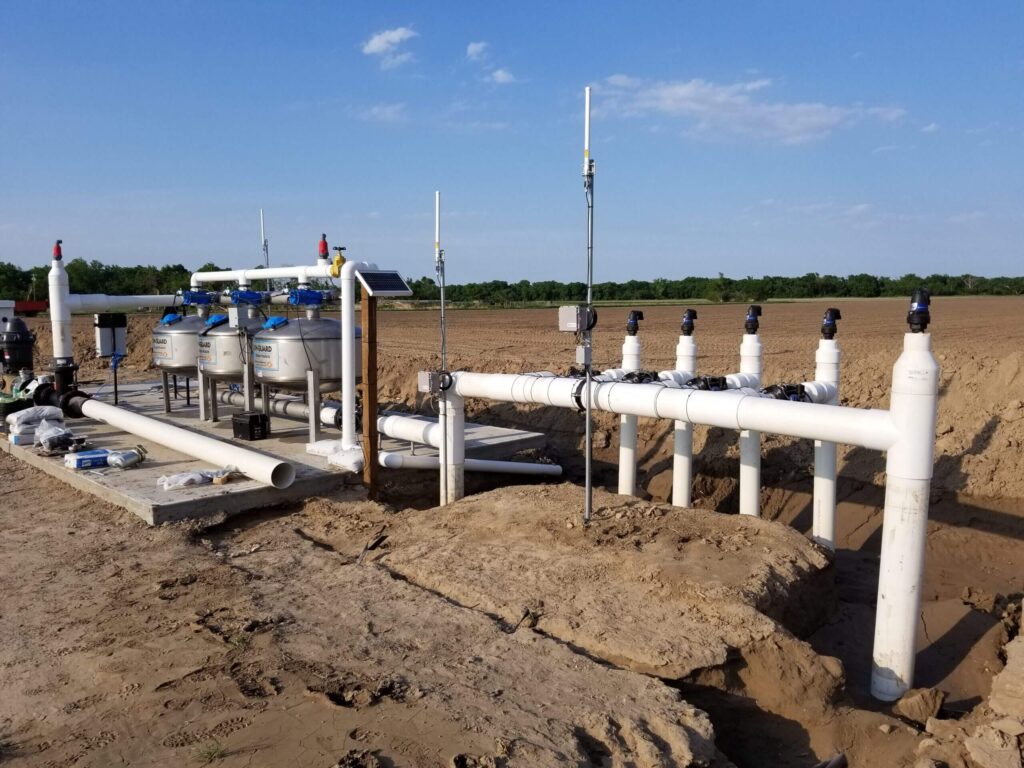
Operators must use pressure gauges installed before and after the filter to accurately identify pressure drops that indicate a clogged element. A clean filter allows water to pass with minimal resistance, but as debris accumulates on the screen or disks, the pressure on the inlet side rises while the outlet pressure drops. Monitoring this differential pressure provides an exact, measurable indicator of when the system requires manual cleaning or an automated backwash cycle.
Automated Backwashing Systems
Installing automatic self-cleaning filters triggers a reverse flow of water to clear debris without requiring manual intervention, significantly reducing labor demands. When the pressure differential reaches a predetermined threshold, the system briefly reverses the water flow, blasting the accumulated dirt off the filter element and flushing it out a discharge valve.
End-of-Season Winterization and Inspection
Step-by-step procedures for draining, inspecting, and storing filtration components prevent freeze damage and prepare the equipment for the next growing season. At the end of the harvest, all filter housings must be thoroughly drained, and media tanks should be backwashed heavily to remove lingering organic matter before storage. Conducting a detailed visual inspection of screens, disks, and rubber O-rings during this downtime allows operators to order necessary replacement parts well before the spring watering schedule begins.
Securing Your Irrigation Investment
Perform a detailed visual inspection of the current filtration setup, check the inlet and outlet pressure gauges for irregularities, and schedule a professional water quality test to establish a baseline for the season. Reviewing the pressure differentials right now reveals whether the existing filter is adequately sized or if it is constantly struggling against the incoming contaminant load. Identifying these vulnerabilities early allows for timely upgrades before the peak of the growing season demands maximum system performance.
Reach out to authorized designers and installers for site-specific advice, comprehensive system audits, and high-quality equipment upgrades tailored to safeguard modern drip irrigation systems. Professional irrigation specialists provide the expertise required to analyze water tests, calculate precise flow rates, and integrate advanced multi-stage filtration networks. Investing in expert guidance ensures the long-term viability of the agricultural operation, keeping water pathways clear and crop yields consistent year after year.