The Importance of Agricultural Water Management for Crop Yields
The Importance of Agricultural Water Management in Boosting Crop Yields
Efficient agricultural water management is the lifeline that sustains global food production. Water isn’t just a necessity for human life; it’s the critical resource for growing crops, sustaining soil health, and ensuring a steady food supply. With increasing pressure from water scarcity and changing climate conditions, effective water management practices have become more vital than ever.
When it comes to boosting crop yields and enhancing farming efficiency, agricultural water management is a game-changer. Companies like Western Irrigation are leading the charge, offering innovative, reliable solutions to revolutionize farming practices. This blog explores how water management plays a pivotal role in agriculture, its far-reaching benefits, and why Western Irrigation stands out as a leader in this critical field.
The Essential Role of Water in Agriculture
Water is the foundation of life, and nowhere is this more evident than in agriculture. From germination to harvest, water fuels every stage of crop growth. It regulates the temperature of plants, enables photosynthesis, and facilitates the flow of nutrients from soil to crops. Without adequate water, crop yields can plummet, impacting food security for millions.
The Challenges of Water Scarcity
However, water resources are finite. Agriculture accounts for roughly 70% of global freshwater withdrawals, yet climate change, increasing urbanization, and inefficient irrigation methods are stretching water supplies to their limits. According to the United Nations, by 2025, nearly 1.8 billion people will experience severe water scarcity. For farmers, this translates to smaller yields, rising costs, and growing difficulty sustaining their farms.
Efficient agricultural water management is no longer optional—it’s a necessity.
How Agricultural Water Management Supports Crop Production
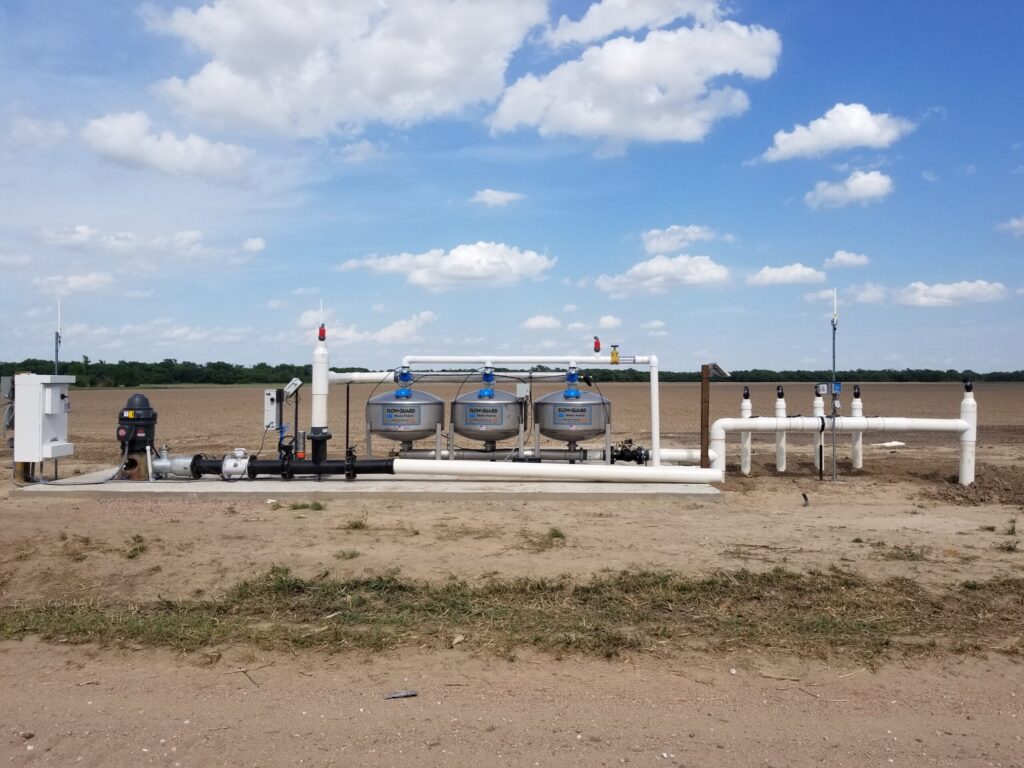
Agricultural water management is the art and science of strategically planning, distributing, and utilizing water resources to optimize crop production. It’s not just about providing water; it’s about ensuring every drop counts toward productivity, sustainability, and environmental responsibility—an essential practice in today’s changing climate landscape.
The Benefits of Efficient Water Management
Effective water management offers far-reaching advantages that enhance productivity and create a more sustainable agricultural future. Here’s how:
- Optimized Water Use: Modern irrigation techniques allow farmers to minimize waste by delivering water precisely where it’s needed, reducing inefficiencies caused by over-irrigation.
- Improved Crop Health: Crops thrive when water is delivered to their roots at the right time and in the right amounts, promoting healthier, stronger plants.
- Resilience to Climate Change: Adaptive water strategies help safeguard crops from the rising unpredictability of weather patterns, making farms more resilient to droughts and floods.
- Reduced Environmental Impact: By preventing water runoff and evaporation, efficient systems protect surrounding ecosystems, reducing pollution and conserving vital water resources.
Innovative Methods in Agricultural Water Management
Today’s farmers have access to groundbreaking tools and technologies to refine how water is distributed across their fields. Here are some of the most innovative methods:
- Drip Irrigation: This method channels water directly to plant roots through a network of tubes, drastically lowering evaporation and ensuring optimal hydration for each plant.
- Sprinkler Systems: Mimicking natural rainfall, these systems distribute water uniformly over crops, especially in large-scale farming operations.
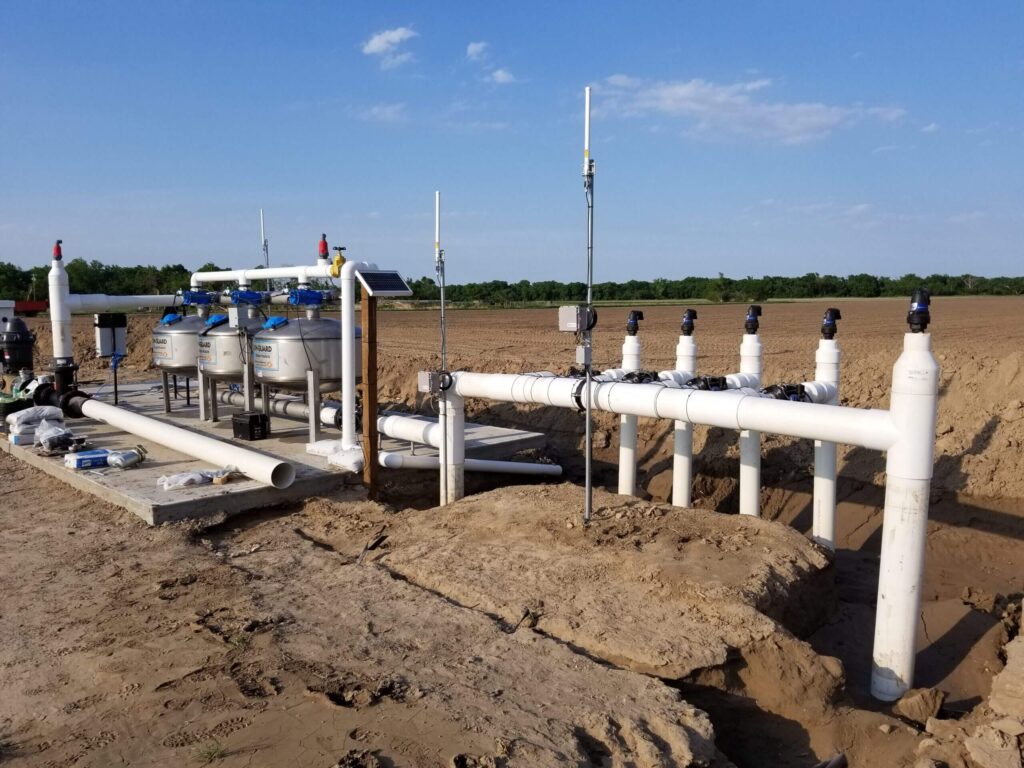
- Precision Irrigation: Powered by sensors and data analytics, this advanced approach uses real-time data to allocate water with pinpoint accuracy, reducing waste and enhancing efficiency.
- Rainwater Harvesting: Farmers can collect and store rainwater during wet seasons to use during dry spells, preserving groundwater and reducing dependency on external water sources.
These practices form a strong foundation for sustainable and productive farming.
Boosting Crop Yields with Western Irrigation
When it comes to efficient water management, Western Irrigation is setting the benchmark for agricultural innovation. By combining decades of expertise with state-of-the-art technology, they equip farmers with the tools to irrigate smarter, conserve resources, and drive higher crop yields—all while promoting long-term sustainability.
What Makes Western Irrigation a Trusted Leader?
- Advanced Irrigation Techniques: Western Irrigation employs precision-driven methods and cutting-edge automated systems to revolutionize farm efficiency. Their solutions ensure optimal water distribution, minimizing waste while delivering consistent hydration to crops where it’s needed most.
- Tailored Solutions for Every Farm: No two farms are the same, and Western Irrigation understands that better than anyone. Their team works closely with farmers to customize irrigation strategies, ensuring solutions align perfectly with unique field conditions, crop types, and goals. From small family farms to large-scale commercial operations, their tailored approach guarantees better outcomes.
- Sustainability at the Core: Water is one of the planet’s most valuable resources, and Western Irrigation is committed to protecting it. Their eco-friendly methods not only maximize water conservation but also promote sustainable farming practices. This allows farmers to achieve greater yields while safeguarding resources for future generations.
Best Practices for Agricultural Water Management
Western Irrigation not only provides advanced tools but also empowers farmers with the knowledge to make smarter, more sustainable decisions. Effective water management is the backbone of successful agricultural practices, ensuring crops thrive while conserving a precious resource. Here are six strategies to make water management on your farm both efficient and environmentally sound:
- Monitor Soil and Plant Moisture: Understanding your soil’s moisture levels is critical to ensuring plants receive the right amount of water without over-irrigating. Invest in modern soil moisture sensors to gain real-time insights. These devices ensure that you only water when truly needed, improving crop yields and conserving resources. Over time, this practice reduces water waste and promotes healthier root systems.
- Adopt Drip Irrigation Systems: Switch to drip irrigation technology to significantly enhance water-use efficiency. This method delivers water directly to plant roots, reducing waste and evaporation. Studies show that drip irrigation can save up to 70% more water compared to traditional surface irrigation methods. This modern system not only protects your bottom line but also reduces environmental strain by using water resources responsibly.
- Harvest Rainwater for Sustainability: Tap into the natural cycle of rainfall by installing storage tanks or reservoirs on your farm. Rainwater harvesting allows you to create a year-round water source for irrigation, even during drier seasons. This sustainable practice not only reduces dependency on external water supplies but also helps manage rainfall variability, which is increasingly important with changing climate conditions.
- Prevent Water Runoff and Soil Erosion: To retain soil moisture and reduce water runoff, leverage techniques like mulching or planting cover crops. Creating a mulch layer helps insulate the soil, retain valuable moisture, and protect soil structure from surface water loss. Meanwhile, cover crops allow rainwater to infiltrate the soil more effectively, reducing erosion and nutrient loss from your farmland. These methods work together to protect both soil and water quality for long-term productivity.
- Irrigation Timing for Maximum Efficiency: Smart irrigation scheduling is key to minimizing water loss. Watering crops early in the morning or late in the evening limits evaporation caused by the mid-day heat. This simple yet effective strategy ensures your crops receive the maximum benefit from each drop of water, optimizing your investment in time, energy, and resources.
- Train Your Team on Modern Methods: Everyone involved in farm operations plays a vital role in effective water management. Conduct regular training sessions to educate your team about the latest water conservation techniques and technologies. By making water efficiency a team effort, you’ll not only save costs but also build a culture of sustainability and responsibility across your operation.
The Economic Benefits of Efficient Water Use
Adopting agricultural water management isn’t just smart farming—it’s smart business.
- Improved Farm Profitability: Reducing water waste lowers utility costs while improving crop quality. With higher yields, farmers gain a competitive advantage in the market.
- Stimulating the Economy: A productive agricultural sector contributes significantly to local economies by creating jobs, stabilizing food prices, and supporting infrastructure development.
- Long-term Sustainability: By managing water as a renewable resource, farmers ensure their fields remain productive for generations to come.
Environmental Advantages of Water Management
Agricultural water management not only supports productive farming but also safeguards the environment, fostering a balance between agriculture and nature. By implementing advanced water conservation strategies, farmers can enhance sustainability while protecting vital ecosystems. Here’s how effective water management makes a difference:
- Reduced Water Waste: Innovative techniques such as drip irrigation and rainwater harvesting ensure that water is used efficiently, minimizing unnecessary waste. These systems deliver moisture directly to plant roots, optimizing usage and reducing evaporation.
- Enhanced Soil Health: Excessive irrigation often leads to soil erosion and the loss of valuable nutrients. By carefully managing water use, farmers can maintain soil integrity, promote nutrient retention, and create an ideal foundation for crop growth. Healthy soil means more resilient farmland and better yields.
- Conservation of Natural Resources: With freshwater supplies becoming increasingly scarce, efficient water management systems play a critical role in preserving these resources. Responsible practices protect freshwater habitats, reduce stress on rivers and lakes, and limit over-reliance on groundwater reserves.
Western Irrigation integrates eco-conscious methods that enable farmers to grow more while giving back to the environment.
Prioritize Water to Maximize Farm Success
Water is agriculture’s greatest ally—and its scarcity, one of its greatest challenges. By adopting modern agricultural water management techniques, farmers can not only boost crop yields but also sustain the environment and strengthen the economy.
Western Irrigation stands ready to lead farms of all sizes into a new era of productivity and sustainability. Whether it’s reducing waste, addressing irrigation challenges, or maximizing yields, they combine expertise with innovation to deliver results.