
Subsurface Drip Irrigation Explained: What Happens Below the Soil Surface
Subsurface Drip Irrigation Explained: What Happens Below the Soil Surface
Water scarcity is one of the most pressing issues facing modern agriculture and landscaping. For decades, traditional irrigation methods like flood or sprinkler systems have been the go-to choices, but they often come with significant downsides. High evaporation rates, surface runoff, and uneven water distribution can lead to wasted resources and less-than-ideal crop yields. As water becomes more expensive and regulated, finding a more efficient way to irrigate isn’t just a good idea—it’s a necessity.
This is where Subsurface Drip Irrigation (SDI) changes the game. Unlike systems that spray water through the air or flood the surface, SDI works silently and invisibly below ground. It delivers water exactly where it’s needed most: the root zone. At Western Irrigation, we specialize in professional irrigation system sales and installation, helping growers and landscapers transition to these more sustainable, high-efficiency systems.
What is Subsurface Drip Irrigation (SDI)?
Subsurface Drip Irrigation is a low-pressure, high-efficiency irrigation system that uses buried driplines or drip tapes to deliver water directly to crop roots. The system consists of a network of valves, pipes, tubing, and emitters installed below the soil surface.
While surface drip irrigation lays tubing on top of the soil, SDI takes it a step further—literally deeper. By burying the driplines, the system is protected from surface damage caused by machinery, animals, or harsh weather. It fundamentally changes the mechanics of how water interacts with the soil profile, creating a moisture pattern that is distinct from any surface-applied method.
How SDI Works Below the Soil Surface
The magic of SDI happens out of sight. When the system is pressurized, water flows through the buried tubes and is released through precision emitters. These emitters are spaced at specific intervals depending on the soil type and crop requirements.
Once the water exits the emitter, it moves through the soil via capillary action—the physical force that allows water to move through the tiny spaces between soil particles. Instead of saturating the surface and relying on gravity to pull the water down, SDI allows water to spread upwards and sideways, creating a targeted “wetted bulb” around the root zone.
This method ensures the soil surface remains dry. A dry surface means significantly less evaporation, fewer weeds (since weed seeds on the surface don’t get watered), and reduced risk of fungal diseases that thrive in humid, wet conditions near the plant canopy.
Key Benefits of Subsurface Drip Irrigation
Switching to an underground system offers advantages that go beyond just saving water.
Water Conservation and Reduced Evaporation
Because water is applied underground, it is not exposed to the sun or wind. This virtually eliminates evaporation losses during application. Studies have shown that SDI can reduce water usage by 25-50% compared to traditional sprinkler systems, making every drop count.
Improved Crop Yield and Root Health
Plants thrive when they receive consistent moisture and nutrients. SDI allows for frequent, low-volume applications of water, maintaining an ideal balance of water and air in the root zone. This prevents the “stress cycle” plants often experience with flood irrigation, where soil goes from saturated (drowning roots) to dry (thirsty roots). Healthier roots lead to more vigorous growth and higher yields.
Cost Savings Over Time
While the initial investment for SDI can be higher than some traditional systems, the long-term ROI is compelling. Reduced water bills, lower energy costs (due to lower pressure requirements), and less need for herbicides and fertilizers contribute to significant operational savings. Additionally, because the hardware is buried, it degrades slower than surface equipment exposed to UV radiation.
Is SDI Right for Your Operation?
While SDI is a powerful tool, it requires careful planning to ensure it matches your specific needs. Several factors influence whether this system is the right fit for your land.
Soil Type: Clay soils distribute water differently than sandy soils. In clay, water tends to move laterally more easily, while in sand, it moves vertically. The spacing of your emitters must be tailored to your specific soil texture to ensure uniform coverage.
Crop Type: SDI works exceptionally well for row crops like corn, cotton, and tomatoes, as well as permanent crops like vineyards and orchards. It is also increasingly popular for turf and large landscape areas where surface sprinklers might be intrusive or inefficient.
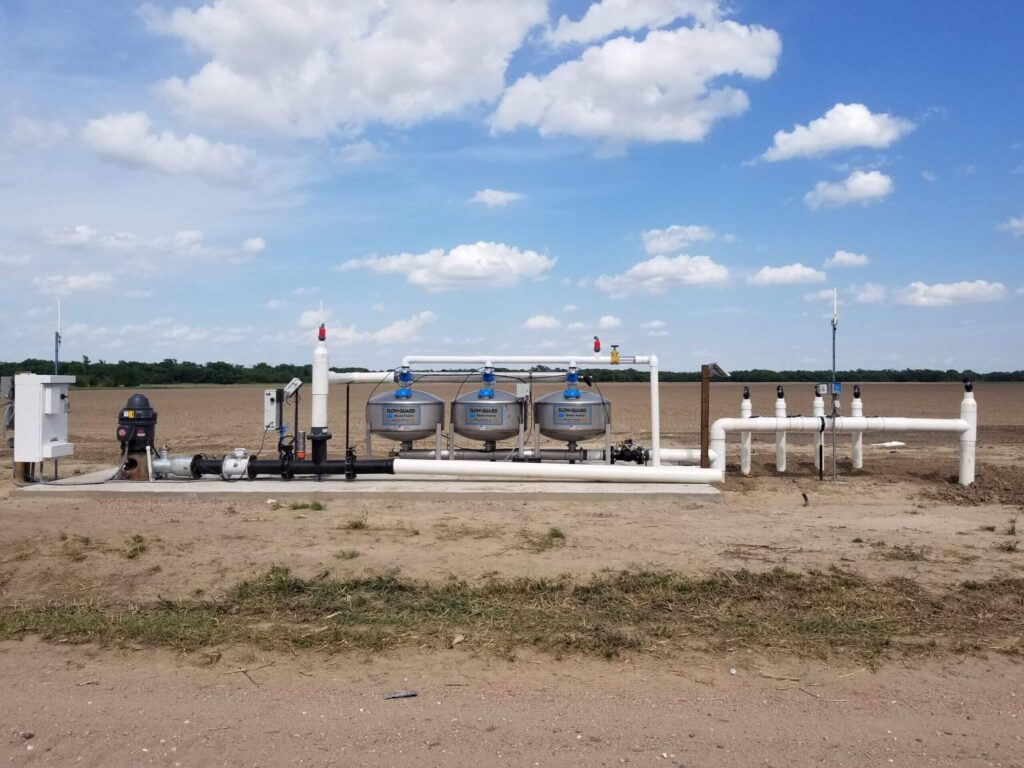
Water Availability and Quality: Because the emitters are underground and small, water quality is critical. Water with high particulate matter or biological load may require advanced filtration to prevent clogging.
At Western Irrigation, we provide consultation services to assess these variables. We analyze your topography, soil, and water sources to determine if an SDI system is feasible and profitable for your operation.
The Installation Process: What to Expect
Installing an SDI system is a precision operation. It is not a project to be rushed or improvised, as once the lines are buried, they are difficult to move.
- Design and Mapping: The process begins with a detailed design. Engineers map out the field, calculating hydraulic pressures to ensure every plant receives the exact same amount of water, regardless of its distance from the pump.
- Trenching or Plowing: Specialized machinery is used to install the dripline at the correct depth, which typically ranges from 6 to 18 inches depending on the crop and tillage practices.
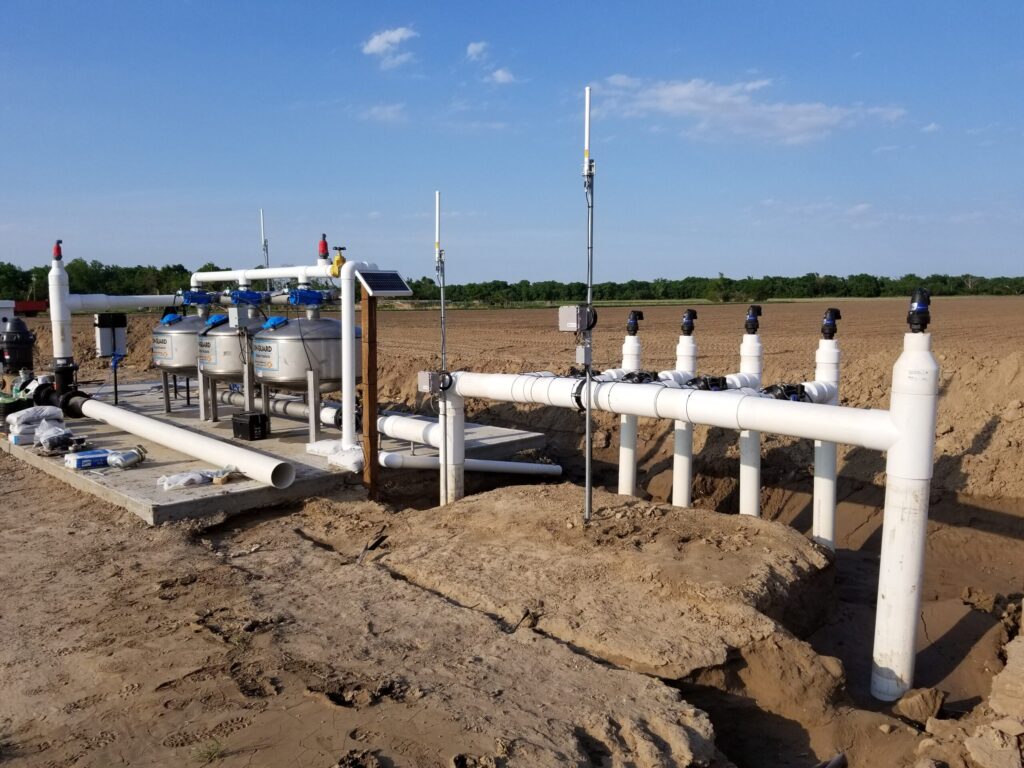
- Connecting the System: The driplines are connected to the sub-mains and main water supply lines. Flushing manifolds are installed at the ends of the lines to allow for system maintenance.
- Testing: Before the trenches are fully closed or the field is planted, the system is pressurized and tested for leaks and flow uniformity.
Western Irrigation ensures a seamless setup by using GPS-guided installation equipment and high-quality materials, ensuring your system performs reliably for years to come.
Maintenance and Troubleshooting Tips for SDI Systems
The “out of sight, out of mind” nature of SDI is a benefit, but it can also be a trap if maintenance is neglected. Because you cannot see the emitters, monitoring system performance is vital.
Filtration is Key: The most common issue with SDI is clogging. A robust filtration system is non-negotiable to keep particulates out of the driplines. Regular backflushing of filters ensures they remain effective.
Preventing Root Intrusion: Roots naturally seek water, which can sometimes lead them to grow into the emitters. Many modern SDI products feature root-guard technology or physical barriers, but occasional injection of root-inhibiting agents may be necessary for aggressive crops.
Routine Flushing: Periodically opening the flush valves at the end of the lines helps clear out any sediment or bacteria that may have accumulated in the tubing.
Pressure Monitoring: Keep a close eye on flow meters and pressure gauges. A sudden drop in pressure might indicate a leak (often caused by rodents), while a rise in pressure could signal clogging.
Western Irrigation offers ongoing support and maintenance services, helping you troubleshoot issues early before they impact your crop.
Why Choose Western Irrigation for Your SDI Needs?
Experience matters when it comes to complex underground infrastructure. At Western Irrigation, we leverage years of expertise in agricultural and landscape irrigation systems to provide tailored solutions. Our team doesn’t just sell parts; we design comprehensive water management strategies that are both efficient and effective, ensuring optimal results for your operations.
Sustainability is at the heart of everything we do. Recognizing the importance of conserving water and resources, we emphasize innovative practices and modern technologies. Our commitment to customer satisfaction drives us to deliver irrigation systems that not only meet your immediate needs but also support long-term reliability and environmental stewardship.
From analyzing your soil to testing the final system, we’re with you at every step. Western Irrigation ensures that no detail is overlooked, and that maintenance is straightforward to keep your system running smoothly. Your livelihood depends on a reliable irrigation system, and we stand ready to make that a reality for you.
Take the First Step Toward Sustainable Irrigation
Subsurface Drip Irrigation represents the future of water management. By delivering water directly to the roots, you conserve precious resources, improve crop health, and optimize your operational costs. It is an investment in efficiency and sustainability that pays dividends season after season.
If you are ready to explore how SDI can transform your farming or landscaping operation, don’t guess—get expert advice. Contact Western Irrigation today for a consultation and let us help you build a system designed for success.