Practical Soybean Irrigation Techniques for Water Efficiency
Practical Soybean Irrigation Techniques for Water Efficiency
Unpredictable weather patterns and growing water scarcity present massive hurdles for modern agriculture. For soybean growers, navigating these challenges requires precise water management to protect crop yields and preserve precious natural resources. Delivering the right amount of water at the exact right time ensures healthy plant development while minimizing costly waste.
Understanding the specific water needs of your crops throughout their life cycle is the foundation of a successful harvest. Growers who adopt modern irrigation technologies and smart scheduling practices consistently see better results at the end of the season.
Western Irrigation, proudly serving farmers near Nebraska, USA, stands at the forefront of sustainable agriculture. By combining advanced irrigation irrigation systems with expert local knowledge, Western Irrigation helps growers optimize their water use, reduce operational costs, and maximize soybean yields.
Understanding Soybean Water Requirements
To irrigate efficiently, you must first understand how soybeans utilize water from planting through harvest.
Growth Stages and Critical Water Needs
Soybeans require varying amounts of water depending on their developmental stage. During the early vegetative stages, water demand is relatively low. The critical period begins during flowering and peaks during pod development and seed fill. A lack of moisture during these reproductive stages directly reduces pod number and seed weight, ultimately devastating your final yield.
Factors Influencing Water Demand
Several environmental variables dictate how much water a soybean crop will consume. Sandy soils drain quickly and require more frequent, lighter applications of water. Heavy clay soils hold moisture longer but are prone to runoff if irrigated too rapidly. Additionally, hot, dry, and windy climates accelerate evaporation and transpiration, significantly increasing the daily water requirement of the crop.
Identifying Signs of Water Stress in Soybeans
Catching water stress early allows you to correct the issue before permanent yield loss occurs. The most obvious visual indicator is the flipping or wilting of the upper leaves during the hottest part of the day. If the leaves remain wilted into the evening or early morning, the plants are experiencing severe moisture deficits. Stunted growth and aborted flowers or pods are also clear indicators that the crop needs immediate hydration.
Modern Irrigation Technologies for Soybeans
Advancements in irrigation hardware have drastically improved water application efficiency.
Drip Irrigation Systems: Precision and Efficiency
Drip irrigation applies water directly to the plant root zone, practically eliminating evaporation and wind drift.
Subsurface Drip Irrigation (SDI) Advantages
Subsurface drip irrigation buries the drip tape below the soil surface. This method keeps the soil surface dry, reducing weed pressure and fungal diseases. SDI is incredibly efficient and allows for the precise application of liquid fertilizers directly to the active root system.
Components and Installation Considerations
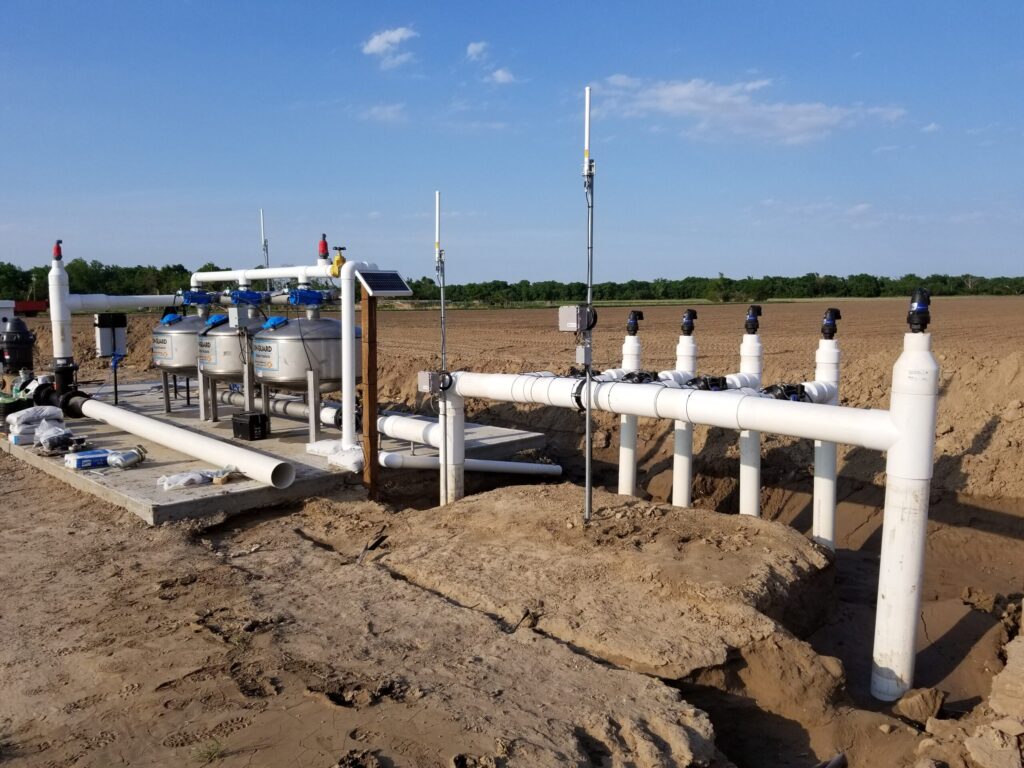
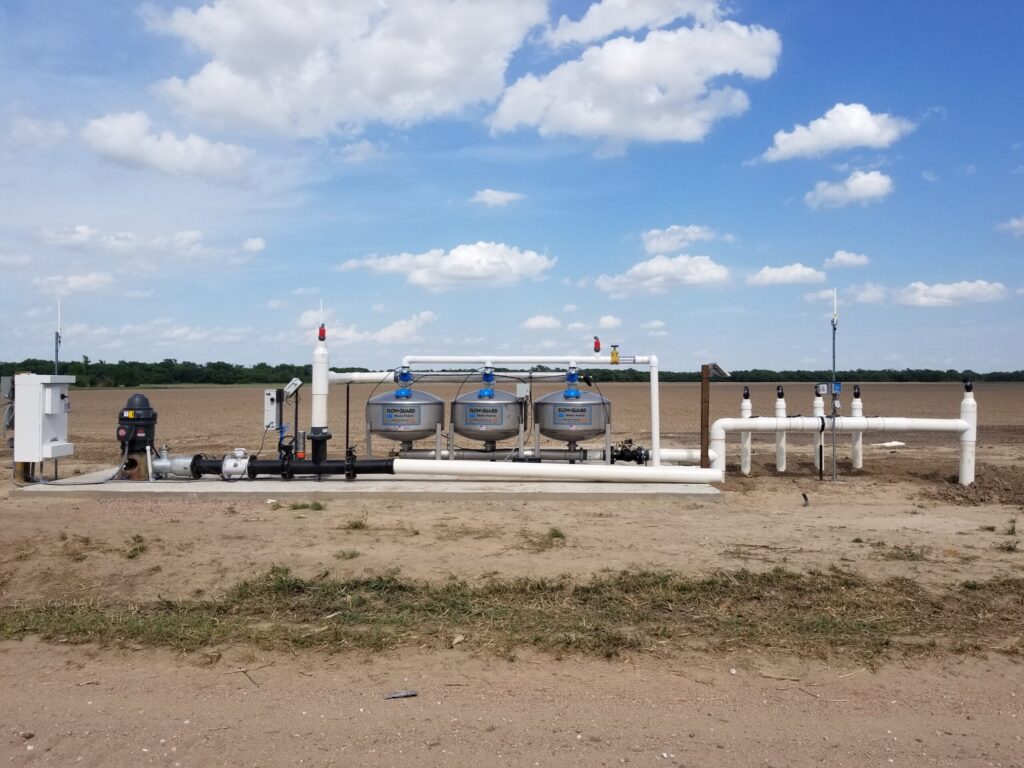
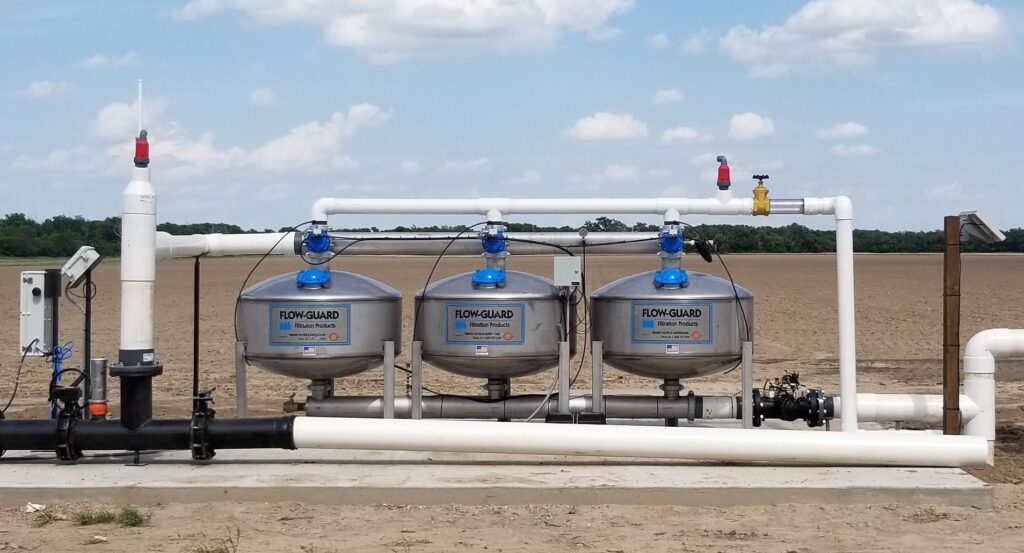
Installing an SDI system requires careful planning. Components include a reliable water source, advanced filtration systems to prevent emitter clogging, pressure regulators, and the buried drip tubing. Proper installation depth is crucial to ensure the water reaches the root zone without interfering with tillage or harvest equipment.
Sprinkler Irrigation Systems: Advances in Uniformity
Sprinkler systems remain the most popular choice for large-scale soybean production due to their reliability and coverage.
Center Pivot and Lateral Move Systems
Center pivots and lateral move machines allow growers to irrigate hundreds of acres with minimal labor. Modern systems are highly automated and can be programmed to apply specific amounts of water to different areas of the field based on soil type and topography.
Low-Pressure, High-Efficiency Nozzles
Upgrading to low-pressure drop nozzles greatly enhances the efficiency of sprinkler systems. By positioning the spray closer to the crop canopy, these nozzles reduce the amount of water lost to wind drift and atmospheric evaporation, ensuring more moisture actually reaches the soil.
Smart Irrigation Scheduling and Monitoring
Applying water blindly often leads to over-watering or under-watering. Smart scheduling relies on accurate data to make informed irrigation decisions.
Soil Moisture Sensors: Real-time Data for Informed Decisions
Soil moisture sensors eliminate the guesswork by telling you exactly how much water is available in the root zone.
Types of Sensors and Placement Strategies
Growers typically use volumetric sensors, which measure the percentage of water in the soil, or tensiometers, which measure how hard the plant must work to extract moisture. Placing sensors at multiple depths—such as 12, 24, and 36 inches—provides a complete profile of the root zone. Sensors should be installed in areas that represent the average soil type and elevation of the field.
Interpreting Sensor Data
Monitoring the data trends allows you to see exactly when the crop is drawing water and when the soil profile is approaching the refill point. This ensures you only trigger irrigation when the plants actually need it, preventing deep percolation past the root zone.
Weather-Based Scheduling (Evapotranspiration Models)
Evapotranspiration (ET) is the combined total of water evaporated from the soil and transpired by the crop.
Accessing and Utilizing Local Weather Data
Local weather stations track temperature, solar radiation, wind speed, and humidity. Using this data, ET models calculate the daily water loss from your fields. Many university extension offices and private agricultural services provide daily ET reports specific to your region.
Predictive Modeling for Future Water Needs
By combining historical weather data with current crop growth stages, predictive models forecast your crop’s water requirements for the upcoming week. This allows you to plan your irrigation cycles proactively rather than reacting to visual stress.
Remote Sensing and Satellite Imagery for Field-Level Analysis
Satellite imagery and drone-mounted thermal cameras capture variations in crop health across the entire field. Areas with poor canopy growth or higher canopy temperatures often indicate poor water distribution or malfunctioning irrigation nozzles, allowing you to pinpoint and repair issues quickly.
Integrating Data for Optimized Irrigation Plans
The most efficient operations combine soil moisture data, weather-based ET models, and remote sensing. This integrated approach ensures that every drop of water is accounted for, maximizing both yield potential and conservation efforts.
Practical Strategies for Water Conservation
Hardware and technology are most effective when paired with sound agronomic practices.
No-Till and Conservation Tillage Practices
Leaving crop residue on the field surface acts as a protective mulch. This residue shades the soil, dramatically reducing surface evaporation and keeping the root zone cooler during the peak heat of summer.
Cover Cropping for Soil Health and Moisture Retention
Planting cover crops during the off-season improves soil structure and increases organic matter. Soils with high organic matter behave like a sponge, holding significantly more plant-available water and reducing the frequency of required irrigation events.
Efficient Water Delivery and Distribution Uniformity
Regular maintenance of your irrigation equipment guarantees that water is applied evenly across the field. Checking for leaks, replacing worn nozzles, and verifying system pressure prevents areas of the field from becoming waterlogged while others remain dry.
Managing Runoff and Leaching
Applying water faster than the soil can absorb it leads to surface runoff, carrying valuable topsoil and nutrients away. Matching your system’s application rate to your specific soil’s infiltration rate keeps the water exactly where your soybeans need it.
Western Irrigation’s Solutions for Soybean Growers
Based near Nebraska, Western Irrigation understands the unique climate and soil challenges local farmers face.
Advanced Irrigation System Design and Installation Services
Western Irrigation provides custom-designed center pivot and subsurface drip systems tailored to your specific field dimensions and water availability. Their expert technicians ensure flawless installation, setting your farm up for years of reliable operation.
Smart Technology Integration and Support
Upgrading an existing system is seamless with Western Irrigation. They supply and integrate the latest soil moisture probes, automated control panels, and weather stations. Their ongoing technical support guarantees you get the most out of your technological investments.
Economic and Environmental Benefits of Efficient Irrigation
Adopting these practices creates a ripple effect of positive outcomes for your farming operation.
Reduced Water and Energy Costs
Pumping water requires significant energy. By utilizing soil sensors and ET data to eliminate unnecessary watering cycles, growers substantially reduce their electricity or diesel expenses.
Increased Yields and Crop Quality
Maintaining optimal soil moisture throughout the reproductive stages guarantees maximum pod retention and heavier seed weights. Consistent hydration also leads to a more uniform crop, improving overall grade and market value.
Environmental Sustainability and Resource Preservation
Efficient irrigation protects local aquifers and surface water sources from depletion. Furthermore, managing runoff prevents fertilizers and pesticides from entering local waterways, protecting the surrounding ecosystem.
Long-Term Farm Viability
Investing in water efficiency insulates your farm against drought years and fluctuating energy prices. These practices build resilient soils and reliable production systems, securing the profitability of your operation for future generations.
Securing Your Harvest
Water is the lifeblood of your farm. Managing it with precision protects your bottom line and the environment.
Achieving water efficiency requires a multi-layered approach. It begins with understanding soybean growth stages, implementing modern delivery systems like SDI or optimized pivots, scheduling via sensors and ET data, and supporting it all with conservation tillage.
As technology continues to advance, automated irrigation systems driven by artificial intelligence and real-time field data will become the industry standard. Growers who adapt early will hold a significant competitive advantage.
Do not leave your crop yields to chance. Contact Western Irrigation today to schedule a consultation. From custom system design to smart technology integration, their team in Nebraska is ready to help you achieve peak water efficiency and record-breaking soybean harvests.