
How Modern Irrigation Design Improves Soil Moisture Consistency
How Modern Irrigation Design Improves Soil Moisture Consistency
Achieving a healthy, thriving landscape requires careful planning and precise water delivery exactly where and when plants need it. Pouring water indiscriminately over a garden often leads to unpredictable results, leaving some plants parched while others drown. This guide breaks down how advanced irrigation design directly impacts and stabilizes soil moisture levels, preventing the common pitfalls of overwatering and drought stress.
By applying the principles of modern irrigation system, property owners can cultivate lush environments that stand the test of time. Readers will learn the mechanics of precision water delivery, the role of smart technology, environmental benefits, and practical steps to maintain an efficient system. Implementing these strategies ensures that every drop of water serves a specific, beneficial purpose for the landscape.
Understanding the Dynamics of Soil Moisture
The Relationship Between Soil Types and Water Retention
Different soils absorb and hold water in highly distinct ways, dictating the necessary flow rate for any irrigation system. Sandy soils drain quickly, requiring frequent, shorter watering intervals to maintain adequate moisture. Clay soils hold water tightly but absorb it slowly, meaning they need slow application rates to prevent flooding. Loam soils offer a balanced middle ground, retaining moisture well while still allowing for proper drainage.
How Evaporation and Runoff Deplete Root Zone Hydration
Environmental factors constantly threaten to strip moisture away from the soil surface before it ever reaches the roots. High temperatures and strong winds accelerate evaporation, pulling water back into the atmosphere almost as soon as it touches the ground. If water is applied faster than the soil can absorb it, surface runoff occurs, carrying valuable hydration away from the target area.
Identifying Signs of Inconsistent Hydration
Spotting the early signs of plant stress caused by uneven distribution is crucial for maintaining a healthy landscape. Dry, yellowing patches often indicate that sprinkler heads are misaligned or blocked by growing foliage. Conversely, pooling water or an overabundance of fungal growth suggests areas are receiving far too much hydration.
The Shift to Precision Water Delivery Systems
Moving Away from Blanket Watering Techniques
Traditional overhead sprinklers frequently result in high evaporation rates and significant water waste. These older systems spray water broadly through the air, allowing wind to carry droplets away before they hit the ground. Transitioning to modern methods eliminates this inefficiency by focusing solely on the specific areas where plants actually reside.
The Mechanics of Subsurface Drip Irrigation
Subsurface drip irrigation delivers water directly below the soil surface, minimizing waste and targeting the exact root zone. By placing the delivery mechanism underground, this method completely bypasses surface evaporation and runoff issues. The slow release of water allows the surrounding soil to absorb moisture evenly, providing a highly stable environment for root development.
Balancing Pressure for Uniform Distribution
Pressure-regulating emitters ensure the first and last plants on a watering line receive the exact same volume of water. In systems without pressure regulation, plants closest to the water source often become flooded, while those at the end of the line remain completely dry. Modern emitters use specialized internal diaphragms to standardize the flow rate across the entire landscape.
Smart Technology and Automated Hydration
Utilizing Weather-Based Irrigation Controllers
Modern weather-based controllers adjust watering schedules automatically based on local precipitation, temperature, and humidity forecasts. Instead of relying on a rigid, unchanging timer, these systems connect to local meteorological data to determine exact daily watering needs. If heavy rain is expected, the controller will automatically delay the watering cycle.
Integrating Soil Moisture Sensors for Real-Time Data
Embedding soil moisture sensors in the ground allows the system to trigger watering only when the soil reaches a specific dryness threshold. These devices continuously monitor the exact hydration levels beneath the surface, removing all guesswork from the equation. When the sensors detect that the root zone is adequately moist, they signal the controller to pause scheduled watering.
Preventing Overwatering Through Automation
Smart shut-off mechanisms actively protect root systems from rot and fungal diseases caused by excessive moisture. Automation ensures that human error, such as forgetting to turn off a manual hose, never leads to a flooded garden. This level of precise control guarantees that plants receive only the hydration they can comfortably process.
Designing for Topography and Landscape Layout
Adapting Water Flow for Elevation Changes
Managing water pressure on slopes is absolutely necessary to prevent bottom-of-hill pooling and top-of-hill runoff. Gravity naturally pulls water downward, which can starve elevated plants while drowning those situated in lower valleys. Installing check valves and specialized emitters ensures that water remains evenly distributed across uneven terrain.
Grouping Plants by Hydrozones for Tailored Watering
Zoning a landscape based on the specific hydration needs of different plant varieties prevents significant horticultural issues. Cacti and succulents require vastly different watering schedules than ferns or turf grass. Placing plants with similar moisture requirements onto the same irrigation valve allows the system to cater to their specific biological needs.
Why Western Irrigation Emphasizes Custom Site Evaluations
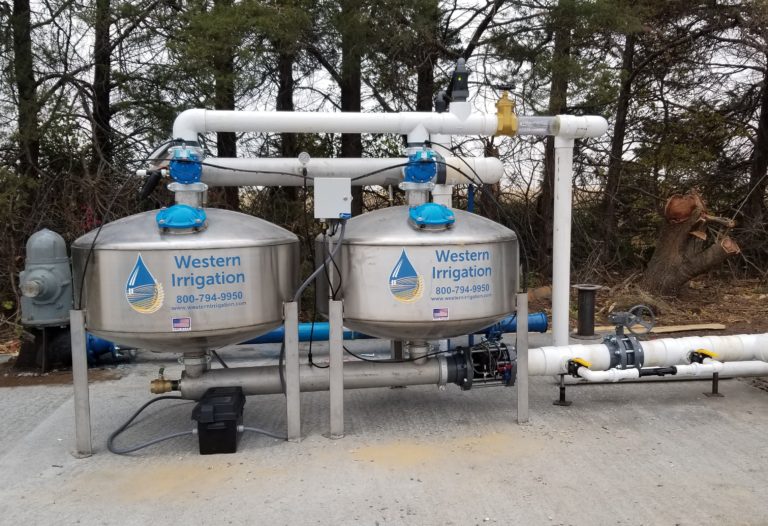
A professional site assessment is the only way to integrate the right technology, equipment, and design tailored to a specific terrain. Western Irrigation focuses on mapping out soil profiles, sun exposure, and topographical shifts before laying a single pipe. This thorough evaluation guarantees that the final system design addresses the unique moisture retention challenges of the property.
Mitigating Environmental Stress Factors
Adjusting Delivery Schedules During Extreme Heat
Modifying watering windows to early mornings or late evenings helps combat peak evaporation during harsh summer months. Watering in the middle of the day is highly inefficient, as the sun bakes the moisture away rapidly. Cooler periods allow the water enough time to sink deeply into the soil profile.
Preventing Soil Erosion Through Controlled Flow Rates
Low-volume delivery systems protect topsoil integrity and prevent vital nutrients from washing away. High-pressure sprays can dislodge soil particles, slowly degrading the structural foundation of the garden over time. Gentle, controlled flow rates keep the soil undisturbed, preserving the delicate biological web required for plant health.
Enhancing Plant Resilience with Deep Watering Strategies
Applying slow, heavy soaking trains root systems to grow deeper into the soil profile rather than staying near the surface. Frequent, shallow sprays encourage weak, surface-level roots that dry out quickly during a heatwave. Deep hydration forces roots to stretch downward, making the entire landscape much more resilient during prolonged dry spells.
Economic and Ecological Advantages
Reducing Utility Costs Through Optimized Water Usage
Eliminating wasted water directly correlates to significant financial savings and lower monthly utility bills. By ensuring that hydration is only applied when and where it is needed, property owners stop paying for runoff and evaporation. These optimized systems quickly offset their initial installation costs through long-term operational savings.
Lowering Long-Term Maintenance Requirements
Consistent soil moisture greatly reduces the need for constant fertilizer applications and expensive plant replacements. Healthy plants grown in stable environments resist pests and diseases naturally, minimizing the need for chemical interventions. A well-hydrated landscape simply demands far less manual labor to maintain its visual appeal.
Supporting Local Water Conservation Initiatives
Efficient irrigation creates a profoundly positive impact on community water supplies and broader environmental sustainability. As municipalities enforce stricter water usage regulations, smart irrigation systems keep properties fully compliant. Conserving this vital natural resource ensures that local ecosystems remain balanced and fully functional.
Long-Term Maintenance for Consistent Performance
Routine Flushing to Prevent System Clogs
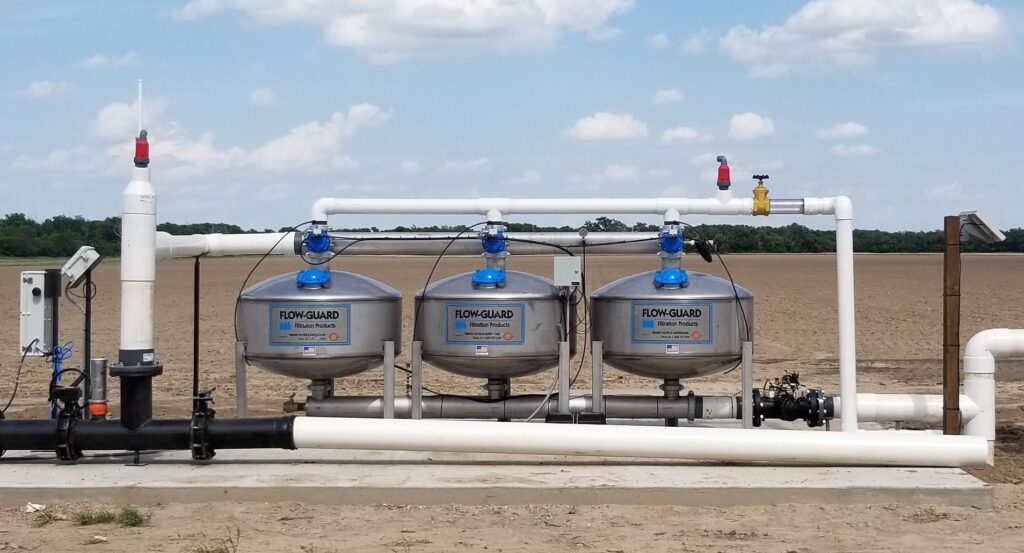
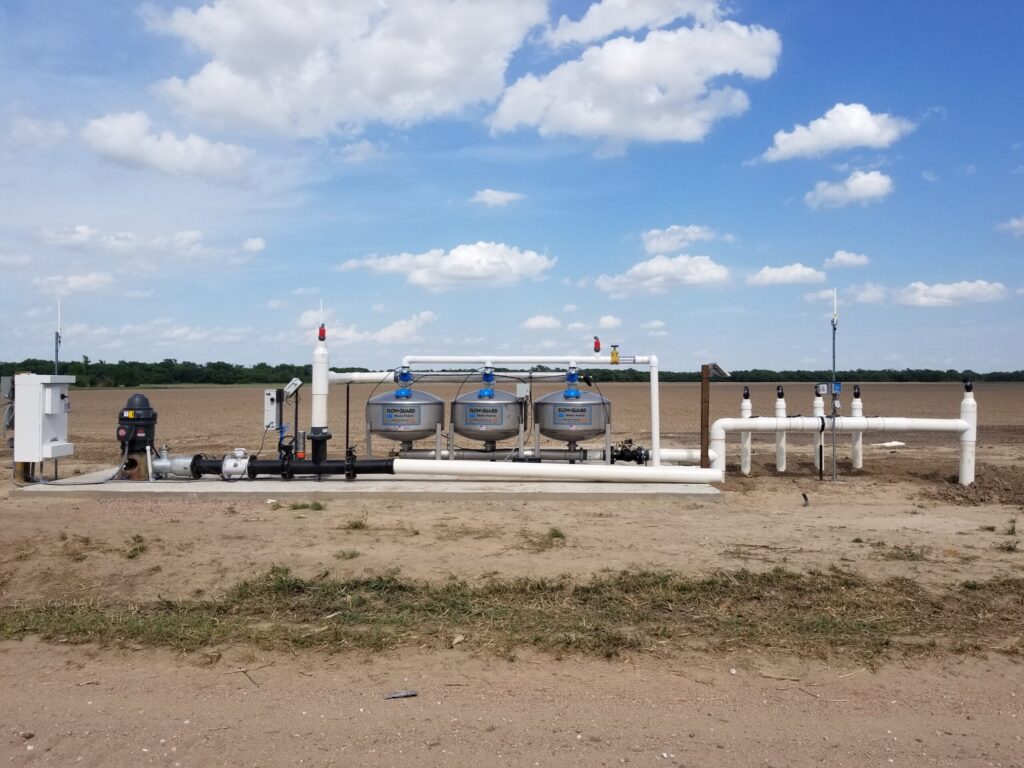
Clearing debris from main lines and filters is an essential step to maintain optimal water pressure throughout the year. Dirt, algae, and mineral buildup can easily block small emitters, immediately disrupting the soil moisture balance. Regularly flushing the system pushes these contaminants out before they can cause localized dry spots.
Inspecting Emitters and Lines for Seasonal Wear
Auditing an irrigation system seasonally helps catch leaks, breaks, or misaligned heads before they escalate into major problems. Animals, lawnmowers, and shifting soil can all cause unexpected physical damage to subterranean pipes and exposed sprayers. Walking the property while the system runs is the best way to verify that water distribution remains uniform.
Upgrading Legacy Components to Modern Standards
Replacing outdated controllers or inefficient sprinkler heads with modern, high-efficiency alternatives restores peak performance. Irrigation technology advances rapidly, and components that were state-of-the-art a decade ago now fall short of modern conservation standards. A phased upgrade approach keeps the landscape hydrated without requiring a completely new installation from scratch.
The Future of Landscape Hydration
Modern irrigation design moves far beyond outdated guesswork to keep soil moisture perfectly balanced at all times. Utilizing precise calculations, localized data, and targeted delivery methods ensures that every plant thrives. This systematic approach eliminates waste while fostering an incredibly resilient landscape. Property owners should take the time to critically evaluate their current watering systems to identify areas of visible inefficiency. Upgrading to a smart weather-based controller or swapping traditional nozzles for high-efficiency rotary heads offers immediate improvements. Taking proactive steps today prevents costly landscaping failures in the future.
Partnering with authorized dealers and installers ensures that any new system integrates the latest industry knowledge seamlessly. Relying on professional expertise takes the stress out of managing complex hydraulic calculations and topography challenges. Expert guidance provides total peace of mind, knowing the soil will remain perfectly hydrated for years to come.