
How Irrigation Impacts Soybean Yield Stability Year After Year
How Irrigation Impacts Soybean Yield Stability Year After Year
Water is the lifeblood of agriculture, serving as the most critical resource for crop development and overall farm profitability. For soybean farmers, managing this resource effectively is a constant priority. Soybeans require precise amounts of moisture at very specific times during their lifecycle. A slight miscalculation can severely disrupt the plant’s development and lead to disappointing harvests.
The challenges of improper irrigation of soybean timing go far beyond a single bad season. When crops receive too much or too little water, farmers face diminished yields, degraded soil health, and inflated operational costs. Pumping water unnecessarily wastes energy and depletes vital local water reserves, while underwatering stunts growth during the periods when soybeans need moisture the most.
Achieving consistent results year after year requires moving away from guesswork and adopting a strategic approach to water management. Western Irrigation stands as a leader in innovative water management solutions, helping farmers navigate these exact challenges. By combining deep agricultural expertise with advanced delivery systems, Western Irrigation provides the tools necessary to stabilize soybean yields, protect valuable resources, and secure long-term farm profitability.
The Soybean Lifecycle and Its Moisture Requirements
To manage water effectively, you must understand how a soybean plant uses moisture from the moment it enters the soil until the day it is harvested. Water requirements shift dramatically as the crop moves through its distinct developmental stages.
Emergence and Early Vegetative Growth
The journey begins at planting. Seeds need adequate soil moisture to germinate and emerge uniformly across the field. If the soil is too dry, emergence becomes patchy, leading to an uneven stand that will struggle to close the canopy later in the season. During the early vegetative stages, the plant focuses on establishing a robust root system. The roots stretch deep into the soil profile to access nutrients and deeper water reserves. While water is necessary here, the overall demand is relatively low. Mild stress during this period can actually encourage deeper root growth, building a stronger foundation for the demanding reproductive phases ahead.
Critical Reproductive Phases
As soybeans transition into the reproductive stages, their water requirements skyrocket. This period encompasses flowering (R1 and R2) and early pod development (R3 and R4). The plants are working overtime to produce blossoms and set the pods that will eventually house the harvestable beans. Moisture availability during this window directly dictates the number of pods the plant can successfully retain. If water is scarce, the plant will abort flowers and drop young pods as a survival mechanism, permanently capping the crop’s yield potential.
Seed Filling to Maturity
The peak of water demand occurs during the seed-filling stages (R5 and R6). At this point, the plant channels all its energy and resources into pumping nutrients and moisture into the developing seeds. Adequate water ensures the seeds grow large and heavy. A lack of moisture during seed fill results in small, shriveled beans and a significantly lighter harvest. Consistent water delivery must be maintained until the leaves begin to yellow and the crop reaches physiological maturity.

Consequences of Water Stress During Key Growth Phases
Water stress is the enemy of stability. When soybeans do not receive the right amount of moisture, the physical and economic consequences ripple throughout the entire farming operation.
Impact on Plant Health and Yield
Drought conditions force the plant to make difficult biological choices. To conserve moisture, the plant closes its stomata, halting the intake of carbon dioxide and stopping photosynthesis. Without photosynthesis, growth comes to a standstill. As mentioned earlier, stress during flowering causes pod abortion, while stress during seed fill reduces bean size. Over the course of a season, these physiological disruptions compound, leaving the farmer with a fraction of their expected harvest.
The True Cost of Overwatering and Underwatering
Underwatering obviously hurts yields, but overwatering carries its own severe penalties. Saturated soils deprive the root zone of oxygen, suffocating the plant and halting nutrient uptake. Excess water also promotes the growth of root rot and other fungal diseases that thrive in damp, stagnant environments. From a financial perspective, pumping excess water drives up electricity and fuel costs. Furthermore, overwatering washes expensive nitrogen and other water-soluble fertilizers out of the root zone, wasting money and potentially contaminating local groundwater.
Recognizing the Signs of Water Stress
Catching water stress early allows you to intervene before permanent damage occurs. Soybeans communicate their thirst by flipping their leaves over to expose the silvery-green undersides, a defense mechanism to reflect sunlight and reduce transpiration. As stress worsens, the leaves will begin to wilt and droop during the hottest parts of the afternoon. If you notice these visual cues, the crop is already losing potential yield, highlighting the need for proactive irrigation scheduling rather than reactive watering.
Modern Irrigation Techniques for Soybean Farmers
The days of simply opening a floodgate and hoping for the best are largely behind us. Modern agriculture relies on sophisticated delivery methods to ensure every drop of water serves a purpose.
Overview of Delivery Methods
Farmers utilize several primary methods to irrigate soybeans. Surface irrigation, such as furrow watering, remains common in certain regions but often struggles with uniform application. Center pivot systems offer a massive upgrade in efficiency and uniformity, sweeping across large fields to deliver controlled amounts of moisture. Drip irrigation represents the pinnacle of application efficiency, delivering water directly to the plant’s root zone through specialized tubing, drastically reducing evaporation and runoff.
The Benefits of Precision Application
Precision irrigation transforms farming by treating water as a carefully managed input rather than an infinite resource. By delivering moisture exactly when and where the crop needs it, farmers eliminate waste. This targeted approach keeps the foliage dry, which reduces disease pressure. It also allows for fertigation—the practice of injecting liquid fertilizers directly into the irrigation water—ensuring nutrients are delivered simultaneously with the moisture needed to absorb them.
Advanced Systems from Western Irrigation
Western Irrigation excels at matching farmers with the exact systems needed for their specific soil types and field topographies. Whether outfitting a field with a highly efficient center pivot or designing a custom subsurface drip network, Western Irrigation provides equipment built for durability and precision. Their systems give farmers complete control over application rates, ensuring that the soybeans receive optimal moisture at every critical growth stage.
Leveraging Technology for Smarter Water Management
Hardware is only half the equation. The most successful modern farms pair their physical irrigation infrastructure with digital technology to make highly informed, data-driven decisions.
Smart Irrigation Tools
Today’s farmers have access to an impressive array of monitoring tools. Soil moisture sensors placed at various depths throughout the field provide real-time data on exactly how much water is available in the root zone. Weather-based controllers adjust watering schedules based on localized forecasts, temperature, and humidity. Remote monitoring systems allow farmers to track pressure, flow rates, and system status directly from a smartphone or tablet.
Simplifying Decisions with Western Irrigation
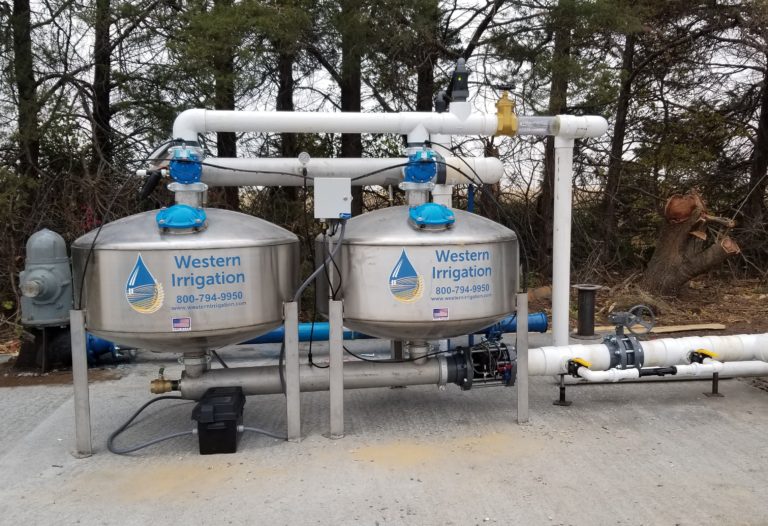
Western Irrigation integrates these cutting-edge digital tools directly into their water management solutions. They understand that data is only useful if it is actionable. By connecting high-quality sensors with intuitive control panels, Western Irrigation simplifies the decision-making process. Farmers can see exactly what is happening beneath the soil surface and adjust their center pivots or drip lines with a few taps on a screen, eliminating the need to physically drive out to the pump site.
Best Practices for Efficient Soybean Irrigation
Even with the best technology and equipment, human management dictates the ultimate success of the crop. Following established best practices ensures the equipment operates at peak performance.
Scheduling Based on Growth Stages
Effective scheduling requires aligning your watering events with the plant’s biological clock. Keep the soil profile adequately moist during the vegetative stages, but avoid keeping it saturated. Once the plants begin to flower, shift to a more aggressive watering strategy. Maintain soil moisture above 50% of the soil’s water-holding capacity from the R1 stage all the way through the R6 seed-fill stage. This sustained moisture prevents pod abortion and maximizes seed weight.
Strategies for Conservation and Sustainability
Water conservation protects your bottom line and preserves local aquifers for future generations. Utilize cover crops during the off-season to improve soil structure and increase its water-holding capacity. Leave crop residue on the field after harvest to shade the soil and reduce surface evaporation during the growing season. By combining these cultural practices with efficient delivery systems, you can grow more bushels per acre while drawing less water from the well.
System Maintenance and Monitoring
An irrigation system only performs as well as it is maintained. Before the season begins, inspect all pumps, valves, and electrical panels. Check center pivots for flat tires, leaky gearboxes, and clogged sprinkler packages. Flush drip lines to remove sediment buildup and ensure all emitters are functioning correctly. Regular maintenance prevents catastrophic breakdowns during the peak heat of summer, ensuring your crop never goes thirsty when it matters most.
Secure Your Harvest and Protect Your Bottom Line
Timing and precision are the defining factors of successful soybean irrigation. Applying the right amount of water at the exact moment the plant needs it prevents stress, promotes robust pod development, and ensures heavy, high-quality seeds. By avoiding the pitfalls of overwatering and underwatering, you stabilize your yields and protect your farm’s profitability against the unpredictability of the weather.
Achieving this level of precision requires reliable equipment, accurate data, and a knowledgeable partner. Western Irrigation provides the innovative technology and agricultural expertise necessary to optimize your water use and streamline your entire operation.
Reach out to Western Irrigation today to discuss your field’s specific requirements. Their team of experts is ready to help you design and implement an irrigation strategy tailored to your needs, ensuring your soybeans thrive year after year.