
Growing Corn with Drip Irrigation: Lessons Learned from the Field
Growing Corn with Drip Irrigation: Lessons Learned from the Field
For generations, corn growers have relied on overhead sprinklers and flood irrigation to hydrate their crops. While these traditional methods get the job done, they often come with significant downsides. High evaporation rates, uneven water distribution, and the increased risk of fungal diseases from wet foliage are constant battles for farmers aiming for high yields.
As water scarcity becomes a pressing global issue and input costs rise, efficiency isn’t just a buzzword—it’s a survival strategy. Enter drip irrigation. This method has emerged as a game-changer for corn production, delivering water and nutrients directly to the root zone where they are needed most.
At Western Irrigation, we have seen firsthand how transitioning to drip systems can transform a harvest. As trusted partners in professional irrigation system sales and installation, we have helped countless growers navigate this shift. Here is what we have learned from the field about making drip irrigation of corn.
Why Drip Irrigation is Worth the Investment for Corn Growers
Switching irrigation methods requires a leap of faith and a financial commitment. However, the data consistently shows that for corn growers, drip irrigation pays off.
Superior Water Efficiency
Traditional overhead systems can lose a significant percentage of water to wind drift and evaporation before it ever reaches the soil. Drip irrigation boasts an efficiency rate of over 95%, ensuring that nearly every drop pumped is utilized by the crop. This is crucial in regions facing drought restrictions or high water costs.
Precision Nutrient Delivery
Drip systems allow for fertigation—the process of injecting fertilizers directly into the irrigation water. This means nutrients are delivered straight to the root zone in precise amounts. This reduces fertilizer runoff, which is better for the environment, and ensures the corn receives exactly what it needs at critical growth stages, leading to robust stalks and fuller ears.
Healthier Crops
Fungal diseases often thrive in damp environments. By keeping the leaves dry and directing moisture only to the soil, drip irrigation significantly lowers the risk of common corn diseases. Healthier plants mean higher yields and less money spent on fungicides.
While the initial setup cost for drip tape and filtration systems can be higher than other methods, the long-term savings on water, energy, and chemicals often result in a faster return on investment (ROI). At Western Irrigation, we specialize in helping farmers calculate this ROI and design tailored solutions that fit their specific budget and acreage.
Planning Your Drip Irrigation System: Key Considerations
A successful harvest starts long before the first seed is planted. Designing a drip irrigation system requires careful planning to ensure it meets the unique needs of your field.
Know Your Soil and Terrain
The layout of your field and your soil type dictate how your system should be designed. Sandy soils drain quickly and require frequent, short watering intervals with emitters spaced closer together. Clay soils hold water longer, allowing for wider emitter spacing but requiring slower flow rates to prevent pooling. Additionally, if your field has slopes, you will need pressure-compensating emitters to ensure corn at the top of the hill gets the same amount of water as corn at the bottom.
Assessing Water Quality
The source of your water matters. Surface water from ponds or rivers may contain algae and organic matter that can clog drip emitters, necessitating robust filtration systems. Well water might have high mineral content that causes scaling. Testing your water source is a non-negotiable step in the planning phase.
Choosing the Right Components
Not all drip tape is created equal. The wall thickness, emitter spacing, and flow rate must be matched to your crop density and soil characteristics. Western Irrigation provides expert guidance during this phase, helping you select durable components that can withstand the rigors of the growing season while delivering optimal performance.
Installation Best Practices: Setting Up for Success
Once you have a plan, execution is key. Installing a drip system for corn is a precise operation.
Prepare the Seedbed
Ensure your soil is properly tilled and free of large debris that could puncture the drip tape. A smooth, uniform seedbed protects the tape from damage during installation. Proper soil preparation also ensures good water infiltration, promoting healthy root development for your corn crop.
Tape Placement
For corn, drip tape is typically installed either on the surface or sub-surface (SDI). Sub-surface installation, usually 12-16 inches deep, protects the tape from machinery and reduces evaporation. While highly efficient, SDI requires specialized equipment. Surface placement provides easier access but may be more prone to damage.
Check Connections
Leaky connections at the manifold or end caps can lower system pressure, resulting in uneven watering across your field. Carefully inspect all connection points for a reliable seal. This step ensures your system operates efficiently, delivering the precise amount of water to every row.
Flushing the System
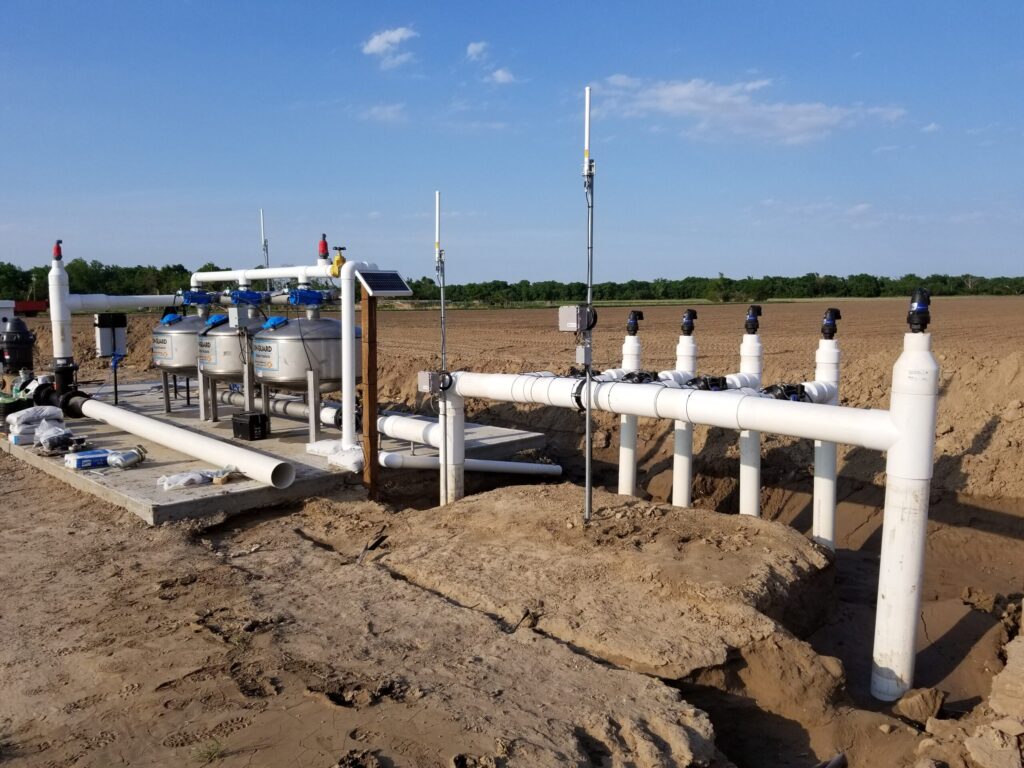
Flush the mainlines and sub-mains thoroughly before starting the first irrigation cycle. This step removes dirt, debris, or plastic shavings that may have entered during installation. A clean system minimizes clogs and ensures optimal water flow, keeping your drip irrigation running smoothly throughout the season.
Even water distribution is the goal. A common mistake is using undersized mainlines that restrict flow to the far ends of the field. Western Irrigation’s professional installation services ensure that hydraulic calculations are accurate, guaranteeing uniform pressure across every acre.
Maintenance Matters: Keeping Your Drip System Running Smoothly
A drip irrigation system is high-performance equipment. Like a tractor or a combine, it requires regular maintenance to function correctly.
Routine Tasks
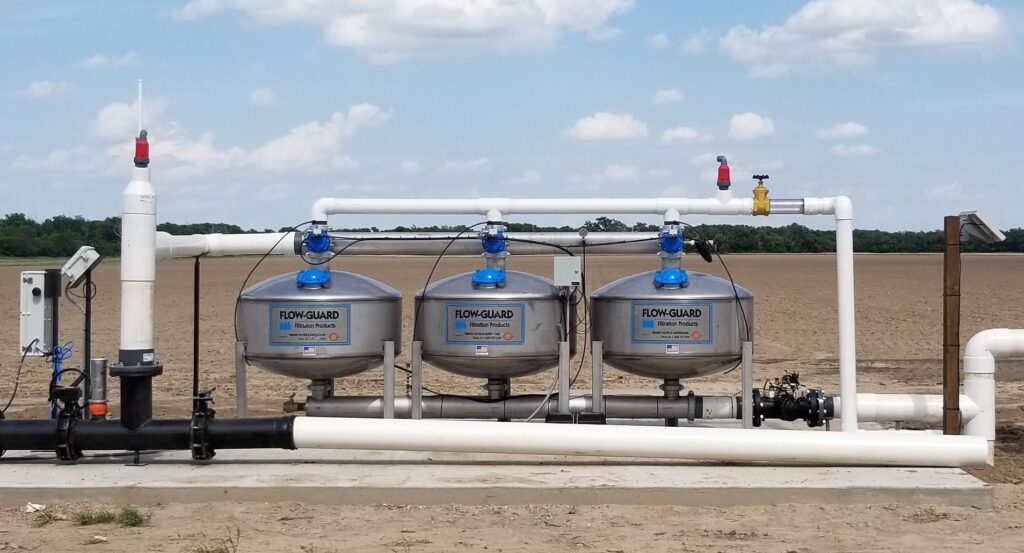
- Filter Cleaning: Check and clean filters daily or weekly depending on your water quality. A clogged filter drops pressure and starves your crop.
- Line Flushing: Periodically open the ends of your drip lines to flush out accumulated sediment or mineral deposits.
- Walk the Field: Visual inspections are vital. Look for wet spots that indicate leaks or dry spots that suggest clogged emitters.
Troubleshooting Issues
If there’s a noticeable pressure drop, inspect filters for clogs or debris. When pressure seems adequate but plants show stress, examine for kinks, crimped lines, or leaks. Wildlife like rodents or coyotes often chew drip tape seeking water, so check for damage to ensure proper irrigation system functionality.
Western Irrigation offers ongoing support and maintenance packages. We know that in the heat of July, you don’t have time for downtime. Our team helps troubleshoot issues quickly to keep your water flowing.
Lessons Learned: Common Pitfalls to Avoid
Experience is a harsh teacher. Here are some common mistakes we have seen in the field so you can avoid them.
Improper Scheduling
Drip irrigation works differently than flood irrigation. You cannot “catch up” if you fall behind. Because drip systems wet a smaller volume of soil, they require more frequent, smaller applications of water. Overwatering can push nutrients past the root zone (leaching), while underwatering stresses the plant quickly because there is no deep reserve of soil moisture to draw from.
Neglecting Maintenance
We have seen excellent systems fail because filters were never cleaned. It is a small task that prevents catastrophic failure. Neglecting end-of-season maintenance, like flushing lines with acid to dissolve mineral buildup, can shorten the lifespan of your system by years.
Skipping Professional Design
Trying to “wing it” with system design often leads to poor uniformity. If the pressure varies by more than 10-20% across a zone, your yields will vary by just as much. Western Irrigation has helped many farmers retrofit or fix DIY systems that were costing them yield. Starting with a professional design is always cheaper in the long run.
Taking the Leap to Drip
The transition to drip irrigation is a significant operational shift, but for corn growers, the benefits are undeniable. From water conservation and fertilizer savings to consistently higher yields, drip technology offers a path to a more profitable and sustainable future.
The lessons learned from the field are clear: plan carefully, install correctly, and maintain diligently. You don’t have to navigate this transition alone.
If you are ready to explore how drip irrigation can improve your corn production, contact Western Irrigation today. Let us help you design a system that maximizes every drop and every acre.