
Drip Tape Irrigation in Corn: How It Works and Why It Matters
Drip Tape Irrigation in Corn: How It Works and Why It Matters
Farming has never been for the faint of heart, but corn producers today face a unique set of intensifying pressures. Unpredictable weather patterns are making rainfall less reliable, while water restrictions in many regions are tightening. On top of that, input costs—from fertilizer to diesel—continue to climb, squeezing profit margins tighter than ever.
For decades, flood and center pivot systems have been the standard for irrigation. While they are certainly better than relying solely on rain, they come with inherent inefficiencies. Flood irrigation often leads to uneven water distribution and significant runoff. Center pivots, while more precise, still lose substantial amounts of water to evaporation and wind drift before it ever reaches the soil.
To stay profitable and sustainable, modern growers are looking for smarter alternatives. Drip tape irrigation has emerged as a formidable solution, offering a level of precision that overhead systems simply cannot match. By delivering resources exactly where the plant needs them, this technology is changing the way corn is grown. Companies like Western Irrigation are at the forefront of this shift, helping farmers transition from traditional methods to high-efficiency drip systems designed for the modern agricultural landscape.
What is Drip Tape Irrigation?
Drip tape is a thin-walled, flat polyethylene tube that expands when filled with water. It contains internal emitters spaced at specific intervals, which regulate the flow of water directly to the soil. In corn production, this tape is typically installed subsurface (SDI), buried anywhere from 12 to 18 inches deep, depending on the soil type and tillage practices.
The core concept is precision. Instead of spraying water over the top of the crop canopy, drip tape releases small, controlled amounts of water directly into the root zone. This method maintains ideal soil moisture levels without the fluctuations of “flood and dry” cycles associated with other irrigation methods. Because the water is applied underground, the soil surface remains drier, which can help reduce weed germination and minimize soil crusting.
Why Drip Tape is a Game-Changer for Corn Growers
Corn is a thirsty crop, particularly during silking and grain fill. Stress during these critical stages can decimate yields. Drip tape offers distinct advantages that secure yield potential while managing resources.
Drastic reduction in water usage
The most immediate benefit is water efficiency. Subsurface drip irrigation can achieve application efficiencies of 95% or higher. There is practically no evaporation loss because the water never sees the sun or wind. In contrast, sprinkler systems can lose 15-30% of water to evaporation and wind drift on a hot, breezy day.
Uniform distribution
With gravity-fed or overhead systems, the first plants in the row often get too much water, while the last plants get too little. Drip tape is pressure-compensated to ensure that a corn stalk at the end of a half-mile run receives the exact same amount of water as one at the beginning. This uniformity leads to a more consistent crop stand and uniform ear development across the entire field.
Minimized disease pressure
Fungal diseases often thrive in humid, wet canopies. Because drip irrigation applies water below the surface, the leaves and stalks of the corn plant stay dry. This reduces the environment that favors common corn diseases, potentially lowering fungicide costs.
The Science Behind Drip Tape: How It Works
Implementing a drip tape system involves more than just burying hoses. It requires careful engineering to match the hydraulic design with the field’s topography and soil characteristics.
Installation and mechanics
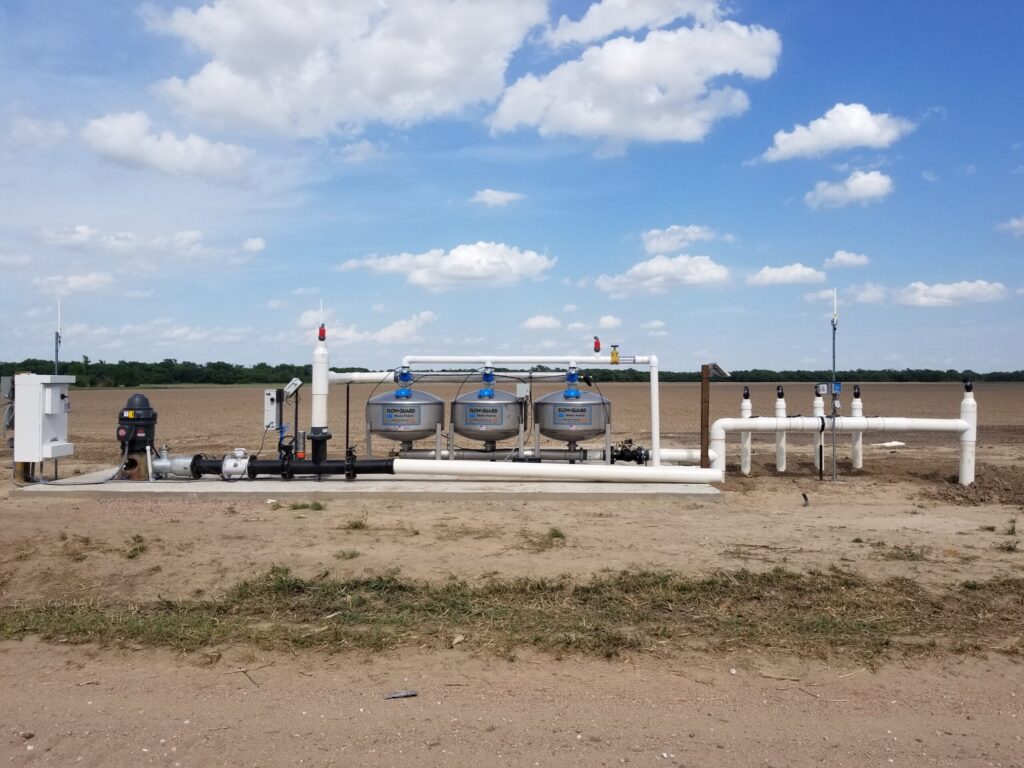
The process begins with mapping the field. Western Irrigation specializes in designing these layouts to ensure optimal pressure management. The tape is injected into the ground using specialized shanks. Once installed, the system is connected to a filtration unit and a pump.
Delivering nutrients (Fertigation)
One of the most powerful features of drip tape is the ability to “spoon-feed” the crop. Through a process called fertigation, liquid fertilizer is injected directly into the irrigation water. This delivers nutrients right to the root mass. Because the application is so targeted, the roots can uptake the nutrients immediately, reducing the risk of fertilizer leaching into groundwater or volatilizing into the air. This timing can be adjusted throughout the season to match the corn’s specific growth stages.
Economic and Environmental Benefits of Drip Tape Irrigation
Switching to drip irrigation is a significant capital investment, but the long-term return on investment (ROI) is compelling for many growers.
Energy Savings
Drip systems typically operate at much lower pressures than center pivots or traveling guns. The reduced pressure requirements translate to decreased horsepower demands at the pump. This adjustment can significantly lower energy bills over the course of a growing season, offering both economic savings and a more energy-efficient approach to irrigation.
Input Efficiency
Fertigation with drip tape enables precise nutrient placement, allowing farmers to achieve equal or improved yields with less fertilizer. Since nutrients are directly absorbed by plants rather than washing away in runoff, there is minimal waste. This efficiency reduces input costs and ensures environmental benefits by minimizing chemical loss.
Environmental Stewardship
Drip tape irrigation aligns with sustainable farming practices by controlling runoff and preventing soil erosion. It also safeguards local waterways from agricultural chemicals. By optimizing water use and producing more output per unit of water, drip systems address resource challenges, especially vital as aquifers in key agricultural regions face depletion.
Why Drip Tape is Gaining Traction Across the Corn Belt
Historically, drip irrigation was primarily associated with high-value specialty crops like almonds, grapes, and vegetables. These crops justified the investment due to their profitability. However, as water scarcity becomes a critical issue in the Corn Belt and High Plains, row crop farmers are beginning to recognize the potential of drip irrigation for their operations.
The shift towards drip systems is primarily driven by necessity. With well capacities dropping in many regions, traditional center pivots are becoming less viable. These systems require high flow rates to function effectively, which is no longer feasible for many producers. Drip irrigation, on the other hand, can operate efficiently with lower flow rates, either through extended irrigation cycles or zone-based watering.
Western Irrigation has played a key role in supporting farmers as they adapt to these challenges. By retrofitting existing fields with drip systems, they provide growers with sustainable and practical solutions. This approach ensures continued productivity on acres that might otherwise transition to dryland farming due to inadequate water resources.
Managing a Drip Tape System for Peak Performance
While drip tape offers automation and efficiency, it is not a “install it and ignore it” solution. Proper management is essential to protect the investment.
- Filtration is non-negotiable: The emitters in the tape are small and can easily clog with sediment or algae. A robust filtration system, maintained regularly, is the heart of the operation.
- Regular Flushing: Even with good filtration, fine particles can settle at the end of the tape lines. Flushing the system periodically ensures these particles are pushed out.
- System Monitoring: Growers must keep an eye on flow meters and pressure gauges. A sudden drop in pressure might indicate a leak (often caused by rodents), while a spike in pressure could signal a clog.
- Water Chemistry: Understanding the pH and mineral content of irrigation water is vital. Precipitates like calcium or iron can build up in the lines over time, so occasional acid treatments may be required to keep the lines clean.
The Future of Corn Production
As agriculture moves forward, the margin for error shrinks. Growers can no longer afford to waste water or fertilizer. Drip tape irrigation represents a shift from simply watering a field to managing the crop’s environment with surgical precision.
The initial transition takes planning and expertise, but the payoffs in yield stability and resource conservation are undeniable. Partnering with experienced professionals like Western Irrigation ensures that the system is designed correctly from day one, setting the stage for years of successful harvests.
If you are ready to explore how subsurface drip irrigation can fit into your operation, or if you have questions about design and installation, contact Western Irrigation today. The future of your yield is just below the surface.