
Drip Irrigation System Packages Farmers Should Compare Before Buying
Modern agriculture faces the challenge of producing more food with fewer resources, especially water, as climate change worsens water scarcity. Drip irrigation offers an efficient solution, delivering water directly to plant roots to reduce waste and boost growth.
This guide outlines the key benefits of drip irrigation system, including water conservation and healthier crops, while breaking down essential factors like flow rate, pressure regulation, and filtration for choosing the right system. Western Irrigation, a trusted provider, offers tailored drip irrigation packages designed to optimize farm operations. With expert insights and customized solutions, farmers can achieve greater efficiency, productivity, and profitability.
The Benefits of a Drip Irrigation System
Switching to a drip irrigation system is more than just a new way to water your fields; it’s a strategic investment in the future of your farm. The advantages are far-reaching, impacting everything from your bottom line to the health of your crops and the sustainability of your land.
Unmatched Water Conservation
Drip irrigation is renowned for its water efficiency. Unlike traditional methods like flood or sprinkler irrigation, which can waste up to 50% of water, drip systems deliver water directly to the plant’s roots. This results in efficiency rates of over 90%. For farmers in dry regions or areas with water restrictions, this level of conservation is crucial. Using less water not only lowers operational costs but also helps preserve this vital resource.
Increased Crop Yields and Quality
Plants thrive with drip irrigation as it delivers consistent, precise water and nutrients directly to their roots. This stable environment eliminates the “feast or famine” cycle, reducing plant stress. The result is more uniform growth, higher yields, and superior quality produce, with farmers often reporting improvements in crop quantity, size, color, and marketability.
Significant Cost Reductions
While the initial setup cost can be a consideration, drip irrigation systems offer substantial long-term savings.
- Lower Water Bills: The dramatic reduction in water use directly translates to lower utility costs.
- Reduced Energy Consumption: Drip systems operate at lower pressures than sprinkler systems, meaning less energy is required to pump water through your fields.
- Efficient Fertilizer Use: Fertigation allows you to mix fertilizers directly into the irrigation water, delivering nutrients straight to the root zone. This targeted application reduces waste, minimizes runoff, and ensures plants utilize nutrients more effectively, ultimately lowering fertilizer expenses.
Healthier Plants and Fewer Weeds
Drip irrigation keeps foliage and soil between rows dry, reducing fungal diseases and the need for fungicides. It also targets water where it’s needed, suppressing weed growth and cutting down on weeding or herbicide use—saving time, money, and boosting crop health.
Adaptability to Diverse Conditions
Drip irrigation is a highly adaptable solution, suitable for various soil types and challenging terrains. By adjusting flow rates and emitter spacing, it prevents pooling and dry spots, making it ideal for irregularly shaped fields or uneven land. This efficient system helps farmers maximize productivity on land that’s otherwise hard to cultivate.
Key Factors to Consider Before Buying
Choosing the right drip irrigation system requires careful planning. A well-designed system will serve your farm efficiently for years, while a poorly planned one can lead to wasted resources and subpar results. Before you invest, consider these four critical factors.
Flow Rate and Emitter Spacing
The flow rate, measured in gallons per hour (GPH) or liters per hour (LPH), determines how much water each emitter delivers. The ideal flow rate depends on your soil type and crop needs.
- Soil Type: Sandy soils need emitters with a higher flow rate to ensure water spreads horizontally to reach all roots. Conversely, clay soils absorb water slowly, so a lower flow rate is necessary to prevent runoff.
- Crop Needs: Different plants have different water requirements. A field of thirsty melons will need a higher flow rate or more closely spaced emitters than a crop of drought-tolerant herbs.
- Emitter Spacing: The distance between emitters on the dripline is just as important. It must be close enough to create a continuous wet strip along the plant row, ensuring all roots have access to water. Proper spacing prevents dry spots and ensures uniform crop growth.
Operating Pressure and Regulation
Every drip system is designed to operate within a specific pressure range. Operating the system at a pressure that is too high or too low can cause significant problems.
- High Pressure: Can cause emitters to pop out, pipes to burst, and an uneven distribution of water.
- Low Pressure: Results in insufficient water delivery, particularly to the emitters furthest from the water source.
A pressure regulator is a non-negotiable component of any drip irrigation system. This device is installed at the head of the system and ensures that water enters the driplines at the correct, consistent pressure, regardless of fluctuations from the main water source.
Filtration Needs
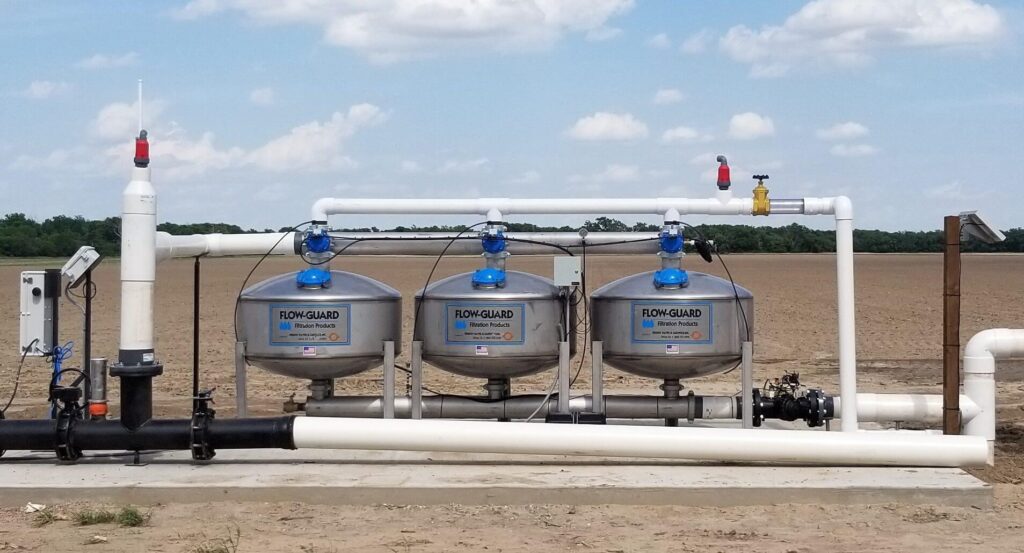
Drip emitters have tiny openings, making them highly susceptible to clogging from sand, silt, algae, or mineral buildup. This clogging results in dry spots and inconsistent crop growth. A robust filtration system is essential to prevent this, with the specific filter type determined by your water source:
- Screen Filters: Effective for removing hard particulates like sand from well water.
- Disc Filters: Excellent for removing both particulate and organic matter, making them suitable for water from ponds or canals.
- Media Filters (Sand Separators): The best choice for very dirty water sources, as they can remove large amounts of organic material and silt.
Investing in the right filter from the start will save you countless hours of maintenance and protect the longevity of your entire system.
System Design and Automation
A proper system design is the blueprint for success. This involves mapping out your fields, calculating the required length of mainline and sub-mainline pipes, and determining the layout of the driplines.
- Zoning: Divide large fields into smaller, manageable “zones.” Watering each zone independently allows you to create custom schedules based on specific crop or soil needs, while also ensuring you don’t overwhelm your water source.
- Automation: – Automation: An irrigation controller (or timer) can be a game-changer. This automates watering schedules, saving labor and ensuring consistent water delivery crucial for optimal plant health. Modern “smart” controllers can even adjust schedules based on real-time weather data.
Considering these factors will help you work with a provider like Western Irrigation to design a system that is efficient, effective, and perfectly matched to your farm’s unique characteristics.
Explore Drip Irrigation Packages from Western Irrigation
At Western Irrigation, we understand that every farm is different. That’s why we don’t offer one-size-fits-all solutions. Instead, we provide customized drip irrigation packages designed to meet the specific needs of your crops, soil, and operational goals. Here’s a look at some of our specialized packages.
The Row Crop Starter Package
Ideal for small to medium-sized farms focusing on vegetables, berries, or hemp, this package is designed for simplicity and efficiency. It provides everything you need to get started with drip irrigation on a smaller scale.
- Key Components: Pressure regulator, screen filter, mainline tubing, and pre-punched driplines with emitters spaced for common row crops.
- Best For: Farmers new to drip irrigation, or for smaller plots up to 5 acres. This package prioritizes ease of installation and operation.
The Orchard & Vineyard Pro Package
Fruit trees and grapevines have deep root systems and are long-term investments. This package is engineered for durability and precision, ensuring your valuable perennial crops receive consistent hydration and nutrition for years to come.
- Key Components: High-capacity disc filter, heavy-duty mainline and sub-mainline pipes, pressure-compensating emitters to ensure uniform flow on uneven terrain, and fittings for fertigation.
- Best For: Orchards, vineyards, and other permanent plantings. The pressure-compensating feature is crucial for hilly or sloped land common in these settings.
The Large-Scale Agriculture Package
For large commercial farms, efficiency and scalability are paramount. This comprehensive package is designed to cover extensive acreage with maximum control and minimal labor.
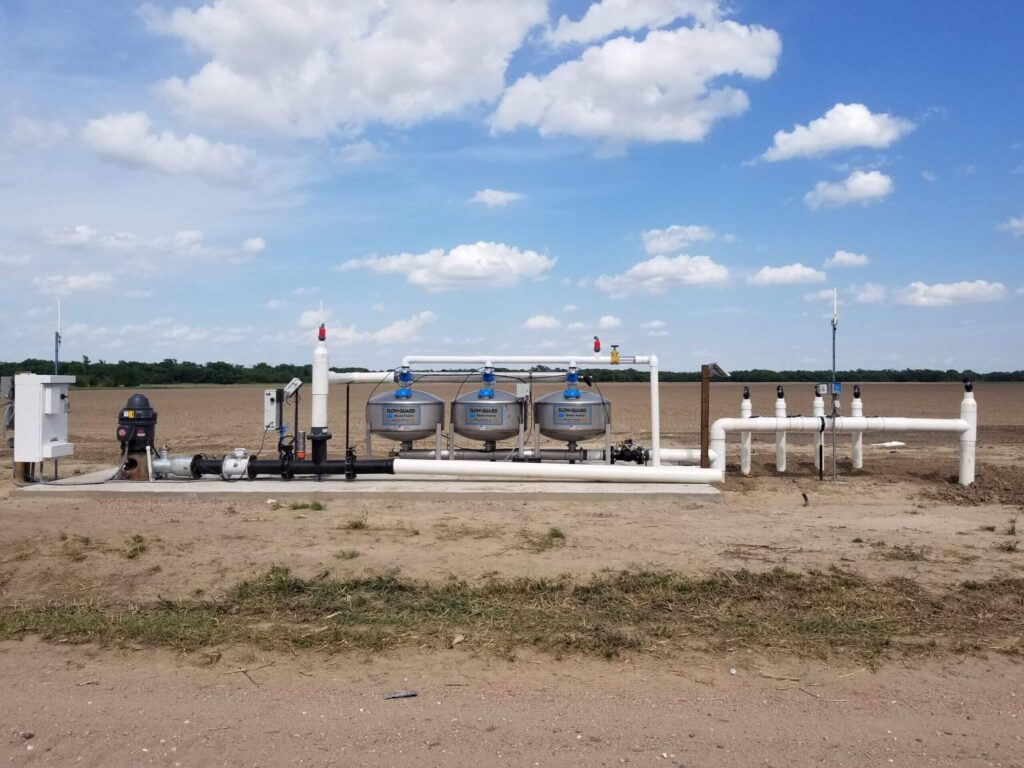
- Key Components: Advanced media filtration system, high-volume mainlines, options for multiple zones with automated controllers, and smart sensors for soil moisture and weather monitoring.
- Best For: Farms over 20 acres growing field crops like corn, cotton, or potatoes. The automation and smart sensor capabilities allow for precise management of water resources across vast areas.
The Custom Design Solution
If your farm has unique challenges—such as a particularly difficult water source, highly variable soil types, or a non-traditional crop—our team of experts can design a fully custom system. We’ll work with you to select the perfect combination of components to create a highly optimized, efficient, and reliable irrigation solution.
Expert Tips from the Professionals at Western Irrigation
To get the most out of your drip irrigation designing system, follow this advice from our experienced technicians:
Start with a Water Test: Before designing your system, get your water tested for minerals, pH, and contaminants. This will help you choose the right filtration and determine if you need to take any steps to prevent mineral buildup in your emitters.
Walk Your Lines Regularly: Make it a weekly habit to walk your fields and visually inspect your driplines. Look for leaks, animal damage, or dry spots that could indicate a clogged emitter. Catching problems early prevents crop loss.
Flush Your System: At the beginning and end of each growing season, flush your entire system. Open the end caps on your driplines and let the water run for a few minutes to clear out any sediment that has accumulated.
Don’t Overwater: One of the biggest mistakes new drip users make is overwatering. Because you don’t see water on the surface, it’s easy to assume the plants need more. Use a soil moisture meter or simply dig down a few inches near an emitter to check the moisture level before you irrigate.
Take the Next Step Towards a More Efficient Farm
Choosing the right drip irrigation system is a critical decision that can profoundly impact your farm’s productivity and profitability. By carefully considering factors like flow rate, pressure, filtration, and design, you can invest in a solution that conserves water, improves crop health, and reduces operational costs.
Western Irrigation is committed to helping you navigate this process. Our range of specialized packages and custom design services ensures that you get a system perfectly tailored to your needs.
Ready to see how a drip irrigation system can transform your farm? Contact the experts at Western Irrigation today for a free consultation. Let’s work together to build a more sustainable and successful future for your operation.