
Day-by-Day Water Needs of Soybeans During Peak Growth
Day-by-Day Water Needs of Soybeans During Peak Growth
Soybean farming is a balancing act. Give the crop too much water early on, and you encourage excessive vegetative growth at the expense of root development. Give it too little during the critical reproductive stages, and you watch your potential yield wither away.
Understanding the specific, day-by-day water requirements of soybeans is the difference between an average harvest and a record-breaking one. Soybean Water management isn’t just about turning on the irrigation pivots; it’s about timing, precision, and understanding the physiology of the plant.
This guide explores how water needs fluctuate throughout the soybean lifecycle and how professional systems, like those from Western Irrigation, can help you manage these demands efficiently.
The Critical Role of Water in Soybean Growth
To manage water effectively, you must first understand what the plant is doing below and above the soil surface. Soybean growth is divided into two broad categories: vegetative (V stages) and reproductive (R stages).
Vegetative vs. Reproductive Stages
During the early vegetative stages, water demand is relatively low. The plant is establishing its root system and building the canopy. In fact, mild water stress during early vegetative growth can actually be beneficial, as it encourages roots to dig deeper in search of moisture, creating a more robust foundation for later stages.
However, once the plant shifts to the reproductive stages—starting with flowering (R1) and moving through pod development (R3-R4) and seed fill (R5-R6)—the rules change entirely.
Why Water Needs Increase
As the plant begins to produce flowers and pods, its metabolic activity skyrockets. Water is the transport mechanism for nutrients. Without adequate moisture, the plant cannot move the necessary sugars and minerals to the developing pods. During this phase, the plant is also larger, meaning it has more leaf surface area for transpiration, leading to faster water loss.
The Impact of Stress
Water stress during these reproductive windows is costly. If a soybean plant lacks water during flowering, it may abort flowers. If stress occurs during pod fill, the seeds will be smaller, leading to significantly lower test weights. To maximize yield, stress must be minimized specifically during the R3 to R6 stages.
Understanding Day-by-Day Water Requirements
The “peak demand” period for soybeans typically occurs during the pod-fill stage. Understanding the daily usage rates helps in scheduling irrigation effectively.
Breakdown of Daily Needs
- Germination to Flowering: Water usage is low, often less than 0.10 inches per day.
- Flowering (R1-R2): Usage creeps up to about 0.15 to 0.20 inches per day.
- Pod Development and Seed Fill (R3-R6): This is the peak. Soybeans can consume between 0.25 to 0.35 inches of water per day, depending on the weather.
Changing Daily Usage
As the plant matures and the canopy closes, it acts like a sponge. During the height of summer, a soybean field can deplete soil moisture rapidly. If your soil holds 2 inches of available water and the plants are using 0.30 inches a day, you have less than a week before the crop begins to suffer stress.
Monitoring Soil Moisture
Guesswork doesn’t cut it when the margins are this tight. Monitoring soil moisture levels is essential. By using moisture probes or checking soil feel, you can determine exactly when the profile is drying out and trigger your irrigation system before the plants reach the wilting point.
Environmental Factors That Influence Water Needs
While the growth stage dictates the baseline water need, the environment determines the actual daily consumption.
Temperature and Humidity
Hot, dry, and windy days drive evapotranspiration (ET) rates up. On a 95°F day with low humidity, soybeans will transpire significantly more water than on an 85°F humid day, even if they are at the exact same growth stage.
Soil Type
Your soil type acts as your water bank.
- Sandy soils: Hold less water and drain quickly. They require more frequent, lighter irrigation applications.
- Clay/Loam soils: Hold more water but take longer to absorb it. They can sustain plants longer between rains but require careful management to prevent runoff.
Rainfall and Irrigation Adjustments
Rainfall is free irrigation, but it’s rarely consistent. Effective management involves tracking rainfall accurately and adjusting your irrigation schedule to supplement—not duplicate—what nature provides. If you receive a half-inch of rain but the crop demand is 0.30 inches/day, that “free” water only buys you about 36 hours of reprieve.
The Cost of Mismanaging Water During Peak Growth
Water management errors during the reproductive stages have direct financial consequences.
Yield Losses
The correlation is clear: significant water stress during pod fill leads to yield reduction. Studies show that four days of visible moisture stress during the R5 stage can reduce yields by up to 40%. Conversely, over-watering can be just as damaging, promoting diseases like white mold or root rot, and depriving roots of necessary oxygen.
Soil Health Implications
Chronic poor water management affects long-term soil health. Over-irrigation can lead to nutrient leaching, pushing valuable nitrogen and sulfur below the root zone where the plant can’t access them. It can also lead to soil compaction and crusting, making future crop establishment more difficult.
Irrigation Strategies for Peak Soybean Growth
To meet high daily water demands without wasting resources, farmers are turning to advanced irrigation strategies.
Precision Irrigation
Precision irrigation involves applying water at the right time, in the right place, and in the right amount. This often involves connecting soil moisture sensors directly to irrigation controllers, removing the guesswork from the equation.
Drip and Surface Systems
While center pivots are common, other methods are gaining traction for efficiency.
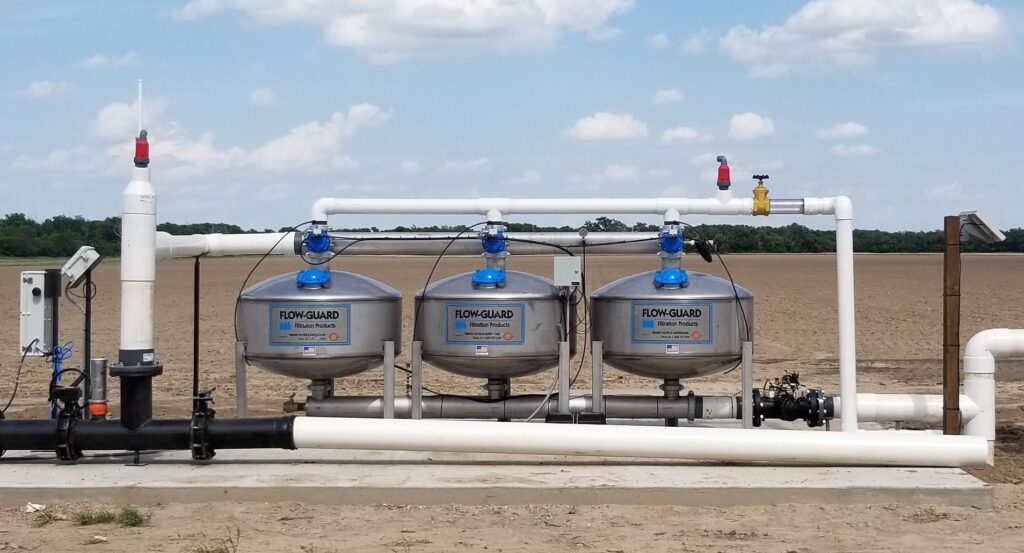
- Drip Irrigation: Delivers water directly to the root zone, minimizing evaporation losses. This is highly effective for maintaining consistent soil moisture during peak demand.
- Surface Irrigation: Requires leveled fields but can be effective if managed to prevent runoff.
The goal of any system should be to keep the soil moisture within the “sweet spot”—wet enough to prevent stress, but dry enough to allow root respiration.
Sustainability and Water Conservation Practices
Sustainable farming is about efficiency. Reducing water waste while meeting soybean needs protects local water sources and improves profitability by lowering pumping costs.
Reducing Waste
Implementing simple adjustments can greatly enhance water efficiency in soybean farming. Fixing system leaks prevents unnecessary water loss, while using low-pressure sprinkler heads minimizes evaporation and drift. Additionally, scheduling irrigation during the cooler hours of the day reduces evaporation rates, making water usage more effective and sustainable. These small measures collectively support both conservation and cost savings.
Western Irrigation and Sustainability
Western Irrigation champions sustainable agriculture through precision systems delivering maximum water efficiency. Their innovative designs minimize waste, ensuring water reaches crops effectively. By optimizing irrigation processes, farmers achieve reduced water withdrawal while maintaining high yields, aligning productivity with environmental stewardship and supporting long-term sustainability in agricultural practices.
Why Choose Western Irrigation for Your Soybean Fields?
When you are managing a crop with such specific water needs, the quality of your equipment matters.
Professional Sales and Installation
Western Irrigation specializes in professional irrigation system sales and installation. We don’t just sell parts; we provide complete solutions. Whether you need a new a drip system, or upgrades to your existing pumps, our team ensures the hardware is installed correctly and functions reliably.
Tailored Solutions
Every field is different. Topography, soil type, and water source availability all play a role in determining the right system. Western Irrigation works with soybean farmers to design systems tailored to their specific operational needs, ensuring that when peak growth hits, your system is ready to deliver.
Maximizing Your Harvest
Understanding the day-by-day water needs of your soybeans is a powerful tool in your agronomic toolkit. By recognizing the surge in demand during reproductive stages and managing environmental factors, you can protect your yield potential.
Don’t let water stress dictate your harvest. Ensure your irrigation system is up to the task. Contact Western Irrigation today for a consultation on optimizing your irrigation setup for peak performance.