Comparing Netafim and Rivulis T-Tape for Subsurface Drip Applications
Comparing Netafim and Rivulis T-Tape for Subsurface Drip Applications
Choosing the right drip tape directly impacts irrigation efficiency and overall crop performance. Subsurface systems require high reliability because the components operate underground, making maintenance more complex than above-ground setups. Selecting an appropriate product ensures that crops receive consistent hydration while minimizing operational disruptions throughout the growing season.
Netafim and Rivulis T-Tape stand out as two widely recognized choices in subsurface drip irrigation. Both brands offer robust engineering designed to handle the rigorous demands of modern agriculture. They approach water delivery through different technological pathways, giving farmers distinct advantages depending on specific field conditions and operational goals.
This comparison covers the essential factors of performance, durability, operational efficiency, and practical field use. By evaluating these key areas, agricultural professionals can make informed decisions to optimize their irrigation infrastructure and support long-term farm profitability.
Understanding Subsurface Drip Irrigation Basics
The Mechanics of Delivering Water to the Root Zone
Subsurface drip irrigation functions by burying drip tape below the soil surface to deliver moisture directly to plant roots. This targeted approach minimizes surface evaporation and significantly reduces water loss compared to traditional application methods. The steady, measured release of water maintains an optimal moisture profile in the root zone, promoting healthier root development and more efficient nutrient uptake for the crops.
Why Farmers Choose Underground Systems Over Surface Sprinklers
Keeping the soil surface dry provides substantial agronomic benefits, primarily by preventing fungal diseases that thrive in damp above-ground conditions. A dry surface also naturally suppresses weed growth, reducing the need for chemical herbicides and manual labor. Farmers transition to underground systems to gain these environmental controls, leading to higher quality yields and more predictable harvest cycles.
The Role of Drip Tape Quality in Long-Term Success
Investing in high-quality materials prevents costly underground leaks and uneven watering patterns that can damage crop development. Inferior tape degrades quickly under soil pressure, leading to ruptures that are difficult to locate and repair mid-season. Premium drip tape maintains structural integrity over time, ensuring that water distribution remains uniform and system maintenance requirements stay minimal.
Deep Dive into Netafim Drip Technology
Exploring Netafim’s Molded Emitter Design
Netafim utilizes an advanced manufacturing process where individually molded emitters are welded directly into the interior wall of the tube. This structural integration provides precise flow control and highly accurate water distribution across the entire length of the lateral line. The distinct molded emitters maintain their shape under pressure, delivering reliable performance and consistent droplet release for every plant.
Pressure Compensation Capabilities for Uneven Terrain
Farming on slopes or rolling hills presents significant challenges for uniform water delivery. Netafim addresses this through pressure-compensating models that regulate flow rates regardless of elevation changes or pressure fluctuations within the line. This capability ensures that crops at the top of a hill receive the exact same volume of water and nutrients as those located at the bottom of the slope.
Built-In Root Intrusion Protection Mechanisms
Roots naturally seek out water sources, making underground emitters highly susceptible to intrusion and subsequent blockages. Netafim engineered specific emitter designs that create a physical and hydrodynamic barrier to block roots from entering the water flow path. This built-in protection is critical for maintaining long-term system functionality without relying entirely on chemical root inhibitors.
Exploring the Engineering of Rivulis T-Tape
The Unique Continuous Slit Design of T-Tape
Rivulis T-Tape features a specialized slit-outlet mechanism that remains closed when the system is unpressurized. This design prevents soil ingestion and back-siphoning when the irrigation cycle shuts off, protecting the internal pathways from contamination. As water pressure builds, the slit opens just enough to allow precise water release, creating a highly reliable mechanism for challenging soil conditions.
Maximizing Flow Path Performance and Water Distribution
Inside T-Tape, a specifically engineered turbulent flow path keeps suspended particles moving continuously. This internal turbulence prevents sediment and debris from settling inside the tape, effectively reducing the risk of clogging. The continuous movement ensures that water distribution remains highly uniform along the entire length of the run, delivering consistent moisture to the crop root zone.
Advantages of Close Emitter Spacing for Sandy Soils
Quick-draining ground requires specific water application strategies to prevent moisture from dropping below the root zone too rapidly. T-Tape allows for cost-effective close emitter spacing, which creates a continuous wet band along the plant row rather than isolated pockets of moisture. This spacing strategy proves highly advantageous for sandy soils, ensuring that roots have constant access to hydration.
Comparing Durability and Longevity
Assessing Wall Thickness Options for Both Brands
Selecting the correct mil thickness depends entirely on whether a project requires a single-season, multi-season, or permanent installation. Both brands offer a wide range of wall thicknesses to accommodate different agricultural strategies and soil types. Heavier wall options provide the necessary strength for permanent subsurface installations, while thinner options offer an efficient solution for shorter crop rotations.
Resistance to Insect Damage and Rodent Chewing
Underground pests pose a constant threat to buried irrigation lines. Different plastic blends and wall thicknesses hold up against insect damage and rodent chewing with varying degrees of success. Heavy-duty construction and specialized polymer formulations help protect the tape from physical punctures, reducing the frequency of emergency repairs caused by wildlife interactions.
How Western Irrigation Evaluates Tape Lifespan
Authorized designers evaluate tape durability by matching the structural properties of the chosen product to specific field conditions. Western Irrigation looks closely at factors like soil compaction levels and expected tractor traffic to determine which tape will survive the intended lifespan. Relying on professional guidance ensures the selected drip tape can withstand the physical stresses of your specific farming operation.
Clog Resistance and Filtration Requirements
Handling Hard Water and High Mineral Content
Water sources prone to scale and calcium buildup require drip tape that can handle challenging water chemistry. Evaluating how each brand manages high mineral content helps prevent the gradual restriction of emitter flow paths over time. Certain emitter designs resist scaling better than others, maintaining their stated flow rates even when utilizing groundwater with heavy mineral loads.
Comparing Self-Cleaning Features During Operation
Continuous flushing features represent a major advancement in drip tape engineering. These mechanisms push microscopic debris out of the emitter pathway before particles can aggregate and cause a complete blockage. Both brands utilize internal hydrodynamic designs to flush contaminants automatically during operation, greatly extending the operational life of the tape in less-than-ideal water conditions.
Matching Your Filtration Bank to Your Chosen Drip Tape
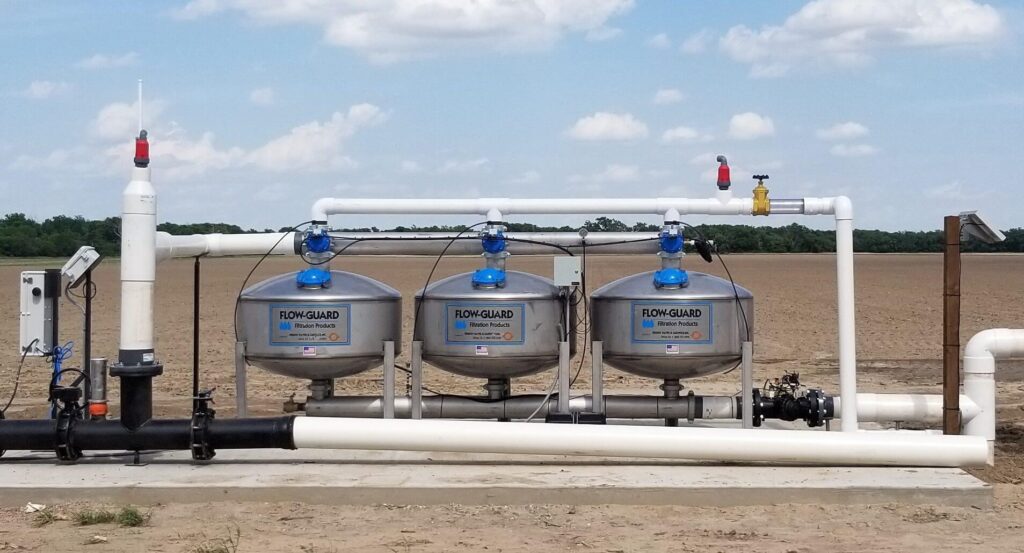
No subsurface drip system functions reliably without proper upstream filtration. Identifying the exact micron filtration level required to protect the specific emitter size of your selected tape is a mandatory step in system design. Properly matched filtration banks catch organic and inorganic debris before it reaches the field, serving as the primary defense for the buried drip tape.
Installation and Field Integration
Tractor Plowing and Tape Injection Considerations
Installing tape below the surface demands a product with high flexibility and exceptional tensile strength. The tape must endure the physical strain of being pulled through injection implements and safely plowed into the ground without stretching or snapping. Selecting a durable tape ensures a smooth installation process and prevents structural weaknesses from developing before the system even turns on.
Splice Repair and Maintenance Ease During the Season
When accidental damage occurs, digging up and repairing a section of buried tape must be executed quickly to restore water flow. Comparing the splicing process for Netafim versus T-Tape reveals slight differences in the required fittings and operational techniques. Having the correct repair components on hand and understanding the specific repair process minimizes system downtime during critical watering windows.
Adapting Tape Choices to Your Existing Mainline Infrastructure
A new subsurface drip installation must integrate seamlessly with existing farm infrastructure. Ensuring your new drip tape matches the pressure output and flow capacity of your current pumps and valves prevents catastrophic system failures. Proper hydraulic engineering guarantees that the mainline can deliver the necessary volume to pressurize the entire field uniformly.
Cost Analysis and Return on Investment
Balancing Initial Purchase Price with Expected Lifespan
Evaluating the upfront investment requires looking directly at how many seasons the tape will reliably perform in the ground. A higher initial investment in a thicker, more robust tape often yields a better return by outlasting cheaper alternatives and eliminating replacement labor. Analyzing the value per acre over the total lifespan of the product provides a clear picture of true operational efficiency.
Calculating Savings from Reduced Water and Fertilizer Use
The high uniform distribution capabilities of both brands dramatically lower monthly utility and chemical expenses. By delivering water and nutrients directly to the root zone with zero runoff, subsurface systems maximize the efficiency of every input applied to the field. These continuous resource savings quickly offset the initial infrastructure investment required to install the system.
Making the Final Choice Based on Crop Yield Projections
Selecting the most appropriate system ultimately comes down to providing the exact hydration a specific crop needs to reach maximum harvest weight. Precision watering eliminates plant stress, leading to healthier crops and significantly improved yield outcomes. Aligning the technical capabilities of the drip tape with precise agronomic goals ensures the highest possible return on investment at harvest time.
Engineering Your Subsurface Irrigation Strategy
Both Netafim and Rivulis T-Tape offer exceptional, field-tested performance for modern agricultural operations. The ideal choice depends entirely on analyzing specific soil structures, topographic challenges, and available water quality. Understanding these site-specific variables allows for the selection of a drip tape that will operate flawlessly in its intended environment.
Review recent soil reports and water tests to establish a clear baseline of your field conditions. Reach out to a professional installation team to engineer a subsurface drip system tailored perfectly to your land. Utilizing expert design services guarantees a highly efficient irrigation network that supports maximum agricultural productivity.