Common Subsurface Drip Irrigation Mistakes and How to Avoid Them
Common Subsurface Drip Irrigation Mistakes and How to Avoid Them
Water is one of the most precious resources in modern agriculture. As droughts become more frequent and water regulations tighten, growers are constantly seeking ways to irrigate more efficiently without sacrificing yield. This drive for efficiency has made Subsurface Drip Irrigation (SDI) a game-changer for many operations. By delivering water directly to the root zone, SDI minimizes evaporation and runoff, leading to significant water savings and often healthier crops.
However, moving to an SDI system isn’t as simple as burying some tubes and turning on the tap. It requires precision. While the potential benefits are massive, the margin for error is slim. A poorly designed or maintained system can lead to uneven growth, wasted resources, and a frustrating return on investment.
Success with SDI depends entirely on execution. From the initial design phase to daily operations, avoiding specific pitfalls is key to longevity and performance. At Western Irrigation, we have seen firsthand how the right approach can transform a farm’s water management. Here are the most common mistakes growers make with SDI systems and how you can avoid them to ensure your fields thrive.
Poor System Design
The foundation of any successful irrigation system is its design. One of the most frequent (and costly) errors occurs before a single shovel hits the dirt. When growers rush the planning phase or use a “one-size-fits-all” template, the results are rarely optimal.
Inadequate planning often leads to uneven water distribution. You might end up with dry spots in one corner of the field and waterlogging in another. This inconsistency stresses the plants, leading to variable yields and difficult harvest conditions. Factors like topography, field shape, and hydraulic limitations must be calculated precisely.
The Solution:
Treat the design phase as the most critical part of the investment. You need a system tailored specifically to your unique conditions. This means accounting for your specific soil type, the water requirements of your rotation crops, and the physical layout of your field. Partnering with experts like Western Irrigation ensures that hydraulic calculations are accurate, ensuring every emitter delivers the exact amount of water intended, regardless of where it sits in the field.
Incorrect Drip Line Depth
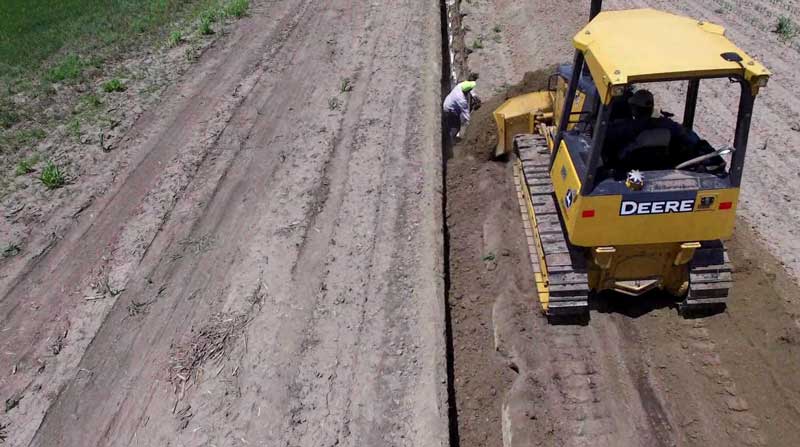
Depth matters. Installing drip tape at the wrong depth is a mistake that is difficult to correct once the system is in the ground.
If the lines are installed too shallow, you risk mechanical damage from tillage equipment or uneven surface wetting that encourages weed growth. If they are installed too deep, water may move downward away from the root zone—especially in sandy soils—leaving your crops thirsty despite the water being “applied.” The water needs to be accessible where the roots are most active, and that depth changes depending on whether you are growing corn, cotton, alfalfa, or vegetables.
The Solution:
Placement must be determined by a combination of crop type and soil texture. Capillary action moves water differently in clay versus sand. Western Irrigation helps growers determine the precise depth placement required to maximize root uptake while keeping the hardware safe from surface operations.
Neglecting Filtration Systems
In an SDI system, the emitters are buried underground. You cannot walk the rows and see a clogged emitter like you can with a center pivot or surface drip. This makes filtration absolutely non-negotiable.
Debris, algae, sand, and mineral precipitates are the enemies of drip tape. Without adequate filtration, these contaminants will eventually find their way into the narrow pathways of the emitters. Once an underground emitter is clogged, it is notoriously difficult to fix. A compromised system leads to non-uniform irrigation and, eventually, crop loss in the affected rows.
The Solution:
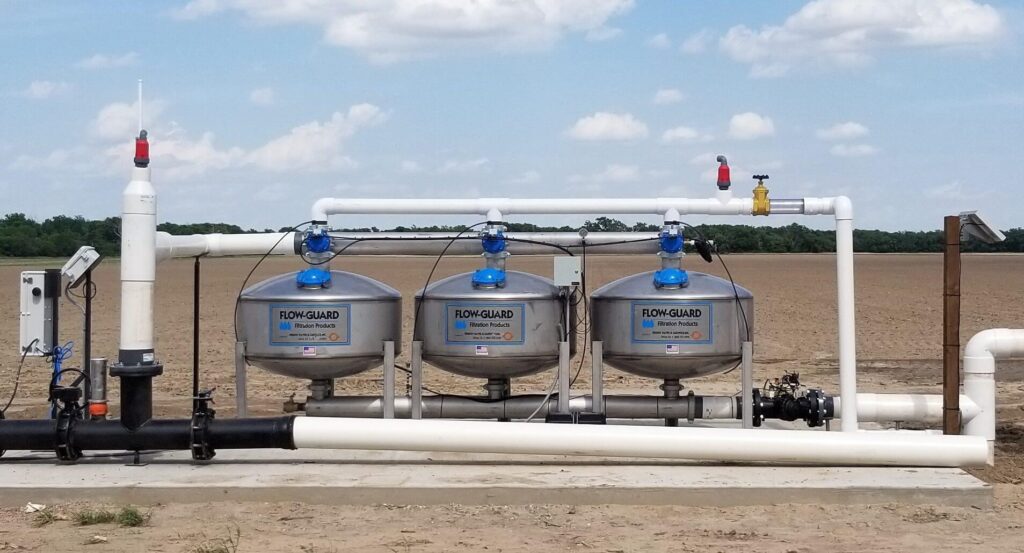
Never cut corners on filtration. The quality of your water source determines the level of filtration needed. Whether you are pulling from a canal, a well, or a reservoir, the filtration system must be robust enough to handle the specific particulate load of that water. Western Irrigation recommends and installs high-quality filtration stations designed to prevent blockages before they happen, protecting the longevity of your underground investment.
Skipping Regular Maintenance
Because SDI systems are out of sight, they are often out of mind. It is easy to assume that if the pump is running, the system is working. However, neglecting regular maintenance is a surefire way to shorten the lifespan of the system.
Over time, even with good filtration, small issues can accumulate. Bacterial slime can build up in the lines, or mineral deposits can narrow the flow passages. Additionally, rodents can chew through lines, creating underground leaks that may go unnoticed for weeks.
The Solution:
Adopt a proactive maintenance schedule rather than a reactive one. This includes regular flushing of the lines to clear out sediment and chemical treatments to prevent root intrusion or mineral scaling. Western Irrigation offers comprehensive maintenance plans to keep your system running smoothly year-round, ensuring that small maintenance tasks don’t turn into expensive repairs.
Ignoring Soil and Water Quality
Understanding the chemistry of your farm is just as important as understanding the mechanics of the pipes. High salinity in water or poor soil structure can severely hamper the effectiveness of an SDI system.
If your water has high salinity, subsurface irrigation can sometimes push salts to the edge of the wetted bulb, potentially concentrating them near the roots if not managed correctly. Similarly, certain soil structures may not allow for the lateral water movement necessary to wet the entire bed width.
The Solution:
Data is your best defense. Before installation, conduct thorough soil and water tests. Understanding the pH, salinity, and mineral content of your water allows you to select the right emitters and plan for necessary water treatments. Western Irrigation assists in analyzing this data to address quality issues before installation, ensuring the system is compatible with your specific environmental chemistry.
Overlooking Pressure Regulation
Uniformity is the gold standard of irrigation. You want the plant at the end of the row to receive the exact same amount of water as the plant closest to the pump.
When pressure regulation is overlooked, you often get pressure loss across the field. This results in the “low ends” of the field receiving significantly less water, while the “high ends” might be over-watered. This variability makes nutrient management difficult and results in uneven crop maturity.
The Solution:
A well-engineered system includes proper pressure regulation valves and pressure-compensating emitters where necessary. These components ensure that regardless of elevation changes or distance from the source, the flow rate remains constant. Western Irrigation designs systems with precise pressure regulation protocols to guarantee uniform water delivery across every acre.
Failing to Monitor System Performance
You cannot manage what you do not measure. Operating an SDI system “blind” is a recipe for inefficiency. Undetected issues—like a main line leak or a zone that isn’t pressurizing correctly—can escalate quickly, damaging the crop and wasting vast amounts of water.
The Solution:
Modern agriculture requires modern monitoring. Flow meters and pressure gauges are essential tools. By tracking flow rates and pressures, you can instantly identify if a zone is using too much water (indicating a leak) or too little (indicating a clog). Western Irrigation provides monitoring tools and services that help you catch these problems early, often before the crop shows any signs of stress.
Ensure Your System Delivers Maximum Efficiency
Subsurface Drip Irrigation represents a significant step forward in agricultural efficiency. It offers the potential for higher yields with less water, but only if the system is designed, installed, and maintained correctly. By avoiding these common mistakes—from poor depth placement to neglecting filtration—you protect your investment and ensure your crops have the resources they need.
You don’t have to navigate these complexities alone. Partnering with experienced professionals can make the difference between a system that struggles and one that succeeds. Contact Western Irrigation today for expert guidance, from the initial design to long-term maintenance, and make the most of your investment in subsurface drip irrigation.