
Choosing a Professional Installer for Subsurface Drip Irrigation Systems
Choosing a Professional Installer for Subsurface Drip Irrigation Systems
Water is one of your most valuable resources, and managing it efficiently can make or break a harvest. Subsurface drip irrigation (SDI) has quickly become a top choice for forward-thinking property owners and farmers. By delivering water directly to the root zone beneath the soil surface, SDI significantly reduces evaporation and runoff. This precision not only conserves water but also promotes deeper root growth and healthier plants, ultimately leading to substantial cost savings.
However, installing an subsurface drip irrigation system is not a simple weekend project. The technology relies on precise calculations, correct material selection, and accurate placement to function correctly. A poorly installed system can lead to dry spots, flooded areas, and wasted money.
Choosing a professional installer ensures your investment performs flawlessly from day one. Let’s look at what goes into a successful SDI system and why partnering with an expert is the smartest move for your land.
Understanding Your Subsurface Drip Irrigation Needs
Before a single trench is dug, a thorough evaluation of your specific environment is necessary. Every property has unique characteristics that dictate how an irrigation system should be designed.
Assessing your landscape and plant types
Different plants have vastly different water requirements and root structures. Deep-rooted trees need water delivered deeper into the soil compared to shallow-rooted turfgrass. A professional will map out your landscape, grouping plants with similar hydration needs into specific “hydrozones.” This ensures that your prized roses aren’t drowned while your drought-tolerant native shrubs are left parched.
Soil type and its impact on SDI
Soil composition fundamentally changes how water moves underground. In sandy soils, water tends to move straight down very quickly. In clay-heavy soils—common in many parts of the Midwest—water spreads outward horizontally and absorbs slowly. An expert understands capillary action and will adjust the depth of the tubing and the flow rate of the emitters based on your exact soil profile to prevent waterlogging and runoff.
Water source and pressure considerations
Your water source dictates the engineering of the entire system. Whether you are pulling from a municipal supply, a private well, or a surface water source, the static and dynamic water pressure must be measured accurately. SDI systems require specific pressure ranges to function correctly. Too much pressure can blow fittings apart, while too little will result in uneven watering.
The Role of a Professional Installer
A professional brings technical expertise that goes far beyond burying a few pipes in the dirt. Their knowledge ensures your system operates efficiently for years to come.
Expertise in system design and hydraulics
Calculating friction loss, elevation changes, and flow rates requires an understanding of fluid dynamics. Professionals design the system’s hydraulic framework so that the first plant in the row gets the exact same amount of water as the last.
Proper trenching and pipe placement
Installing the drip tape at the correct depth is critical. If it is too shallow, standard farm equipment could damage it. If it is too deep, the water may never reach the root zone.
Emitter selection and spacing
Emitters regulate the flow of water out of the drip tape. Professionals select the right flow rate and spacing based on your soil type and plant needs, ensuring optimal moisture coverage without waterlogging the soil.
Integration and programming
If you already have a well or existing irrigation infrastructure, a pro will seamlessly integrate the new SDI system. They will also set up advanced controllers, programming them to deliver water on a schedule that maximizes absorption and minimizes waste.
Key Qualities to Look for in an SDI Installer
Not all irrigation contractors have the specific skills required for subsurface systems. When evaluating potential installers, look for these defining traits.
Experience and certifications
Seek out SDI contractors with a proven track record specifically in subsurface drip irrigation. Ask about their certifications from recognized irrigation associations, which indicate a commitment to industry standards.
Knowledge of local regulations
Irrigation often involves securing permits and adhering to local water use regulations. An experienced local installer will navigate this red tape for you, ensuring your system complies with all municipal or state codes.
Strong reviews and warranties
Ask for references and read customer testimonials. A reputable installer will stand behind their work with comprehensive warranties on both parts and labor, alongside clear, transparent pricing proposals.
The Western Irrigation Advantage
When it comes to subsurface drip irrigation near Nebraska, Western Irrigation stands out as a regional leader. We understand the unique agricultural and residential landscaping challenges of the Midwest.
Introduction to Western Irrigation’s expertise in SDI
We have dedicated years to mastering the science of subsurface watering. Our team is thoroughly trained in the latest hydraulic design software and installation techniques. We know Nebraska’s climate, soil variations, and water conservation priorities inside and out.
Case studies and successful projects
From large-scale agricultural plots looking to maximize crop yield during dry summers, to residential estates wanting lush, green lawns without the water waste of overhead sprinklers, our portfolio speaks for itself. We recently retrofitted a commercial property that saw a 40% reduction in their seasonal water usage while simultaneously improving the health of their perimeter landscaping.
Our commitment to quality, efficiency, and customer satisfaction
At Western Irrigation, we do not cut corners. We use only commercial-grade tubing, pressure-compensating emitters, and robust filtration systems designed to last for decades. We communicate clearly throughout the entire process, ensuring you are completely satisfied before we leave the site.
How Western Irrigation ensures long-term system performance
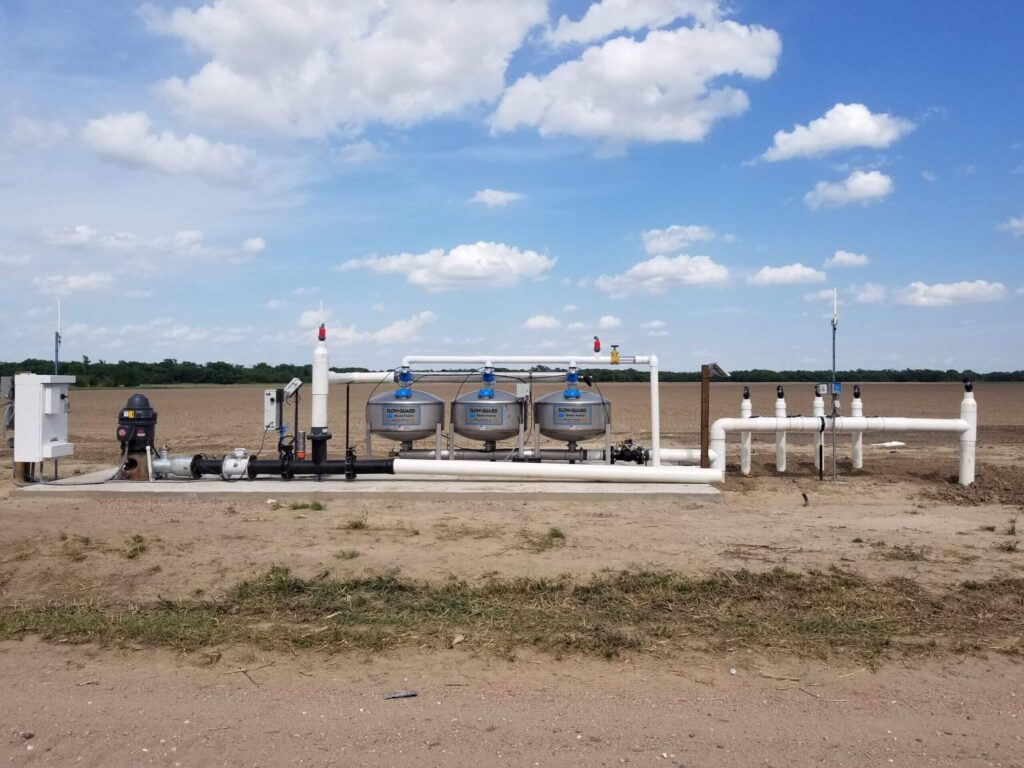
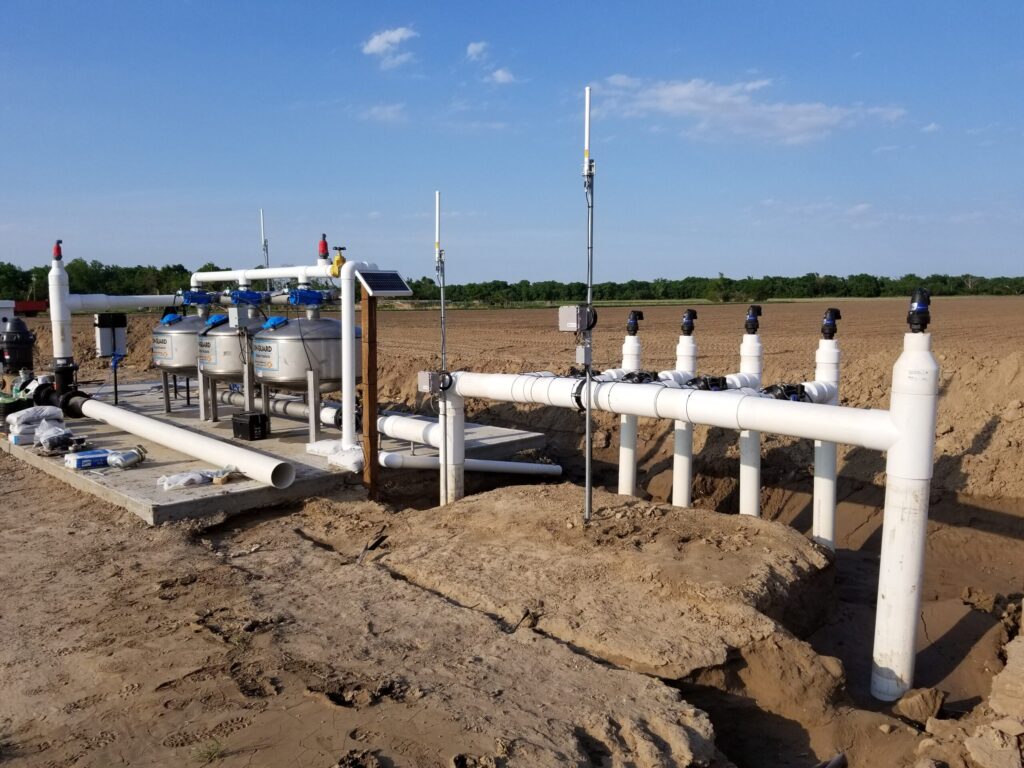
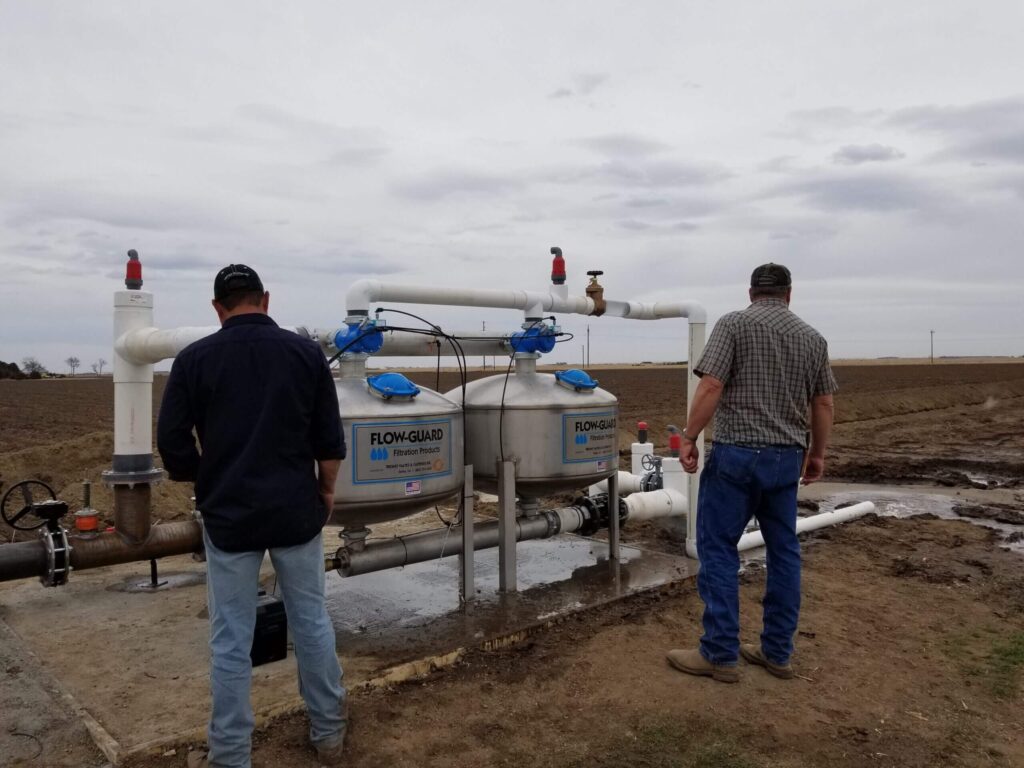
We build systems designed for longevity. By installing accessible flush valves, air relief vents, and high-capacity filters, we make it easy to maintain the system year after year. Our designs anticipate future growth, ensuring your irrigation system matures right alongside your landscape.
The Installation Process: What to Expect
Knowing what happens during Subsurface drip irrigation system installation helps you prepare your property and set realistic expectations.
Initial consultation and site assessment
We start by walking your property, testing your soil, and evaluating your water source. We listen to your goals and discuss the specific needs of your crops.
Design and proposal presentation
Next, we draft a custom blueprint of your new SDI system. We present a detailed proposal outlining the system design, material costs, and labor requirements.
Installation timeline and steps
Once approved, our team begins trenching and laying the pipe. We work efficiently to minimize disruption to your land. After the tape is laid, we install the manifolds, filters, and controllers, followed by a comprehensive pressure test.
Post-installation training
We don’t just walk away when the job is done. We teach you how to operate the controller, clean the filters, and perform basic visual inspections to keep your system running smoothly.
Common Mistakes to Avoid with DIY Installation
Taking the do-it-yourself route with subsurface irrigation often leads to catastrophic landscape failures. The hidden nature of the system makes errors incredibly destructive.
Incorrect pipe sizing
Using tubing that is too small for the required water volume will starve plants at the end of the line. Conversely, oversized pipes can cause pressure to drop, leading to uneven water distribution.
Inadequate filtration
Even municipal water contains microscopic debris. Because SDI emitters are buried, a clogged emitter cannot be easily seen or cleaned. Professional systems utilize heavy-duty filtration to prevent debris and sediment from ever reaching the drip lines.
Improper emitter selection
Choosing the wrong flow rate or spacing will lead to dry pockets or saturated, swampy soil. This restricts oxygen flow to the roots and invites fungal diseases.
Damage to existing utilities
Digging blindly can result in severed internet cables, broken gas lines, or damaged electrical wires. Professionals always coordinate with local utility marking services before breaking ground.
Lack of system balancing
Failing to account for elevation changes or friction loss means water will pool in low areas and fail to reach high areas. Professionals use pressure regulators and specific design layouts to ensure absolute uniformity.
Maximizing the Lifespan and Efficiency of Your SDI System
Once your professional installation is complete, a few routine maintenance steps will keep it operating at peak performance for decades.
Regular checks and maintenance
Routinely flush your lines to remove any sediment buildup. Check your filters frequently and clean them as needed, especially during peak irrigation season.
Winterization procedures
In states like Nebraska, freezing temperatures will destroy an irrigation system. You must properly blow out the lines with compressed air before the first deep freeze to prevent ruptured pipes.
Knowing when to call a professional
If you notice a sudden drop in water pressure, unexplained wet spots in your field, or an error code on your smart controller, call your installer immediately. Prompt repairs prevent small leaks from turning into major washouts.
Securing Your Farm’s Future with Expert SDI
Subsurface drip irrigation is a powerful tool for modern agriculture and landscaping. It conserves water, lowers utility bills, and produces stronger, healthier plants. However, capturing these benefits requires the precision and knowledge of a professional installer.
Western Irrigation has the local expertise and technical skill to build a system that works perfectly for your property. Don’t leave your water management to chance. Contact Western Irrigation today to schedule a site assessment, and take the first step toward a more efficient, sustainable future for your land.