Agriculture Water Filtration
Agriculture Water Filtration: Transforming Agriculture through Advanced Techniques
The realm of agriculture has witnessed remarkable transformations over the years. Among the myriad of technological advancements shaping this sector, one of the most significant is the use of advanced agriculture water filtration systems. These innovative systems are not just ensuring the provision of clean water for irrigation but are fundamentally altering the landscape of traditional farming practices. This article delves into the transformative impact of advanced water filtration systems on agriculture, revealing how this technology is integral to sustainable and efficient farming in the 21st century.
The Importance of Water Quality in Agriculture
Water quality plays a pivotal role in agriculture, influencing everything from crop yield and health to the sustainability of farming practices.
According to the National Agricultural Library of the USDA, water quality — the suitability of water to be used to irrigate and tend animals — is very important in agriculture. Water quality is directly tied to the success of agriculture, with proper agriculture management practices being necessary to meet domestic water quality standards.
The World Bank states that water is a critical input for agricultural production and plays an important role in food security. Irrigated agriculture represents 20% of the total cultivated land, providing 40% of the world’s food.
However, the quality of water used in agriculture can impact not only the crops and livestock but also the surrounding environment. Activities on farms and ranches can affect water quality, both locally and across multi-state watersheds. Agriculture, while not the only activity with the potential to negatively impact fresh water, is a significant one.
Farmers must visually monitor the quality of water for build-up of organic material, and maintain and monitor water temperature to minimize the potential for disease. Because so much of our land is devoted to agriculture, farmers have a vital role in protecting water quality.
Types of Advanced Water Filtration Systems Used in Agriculture
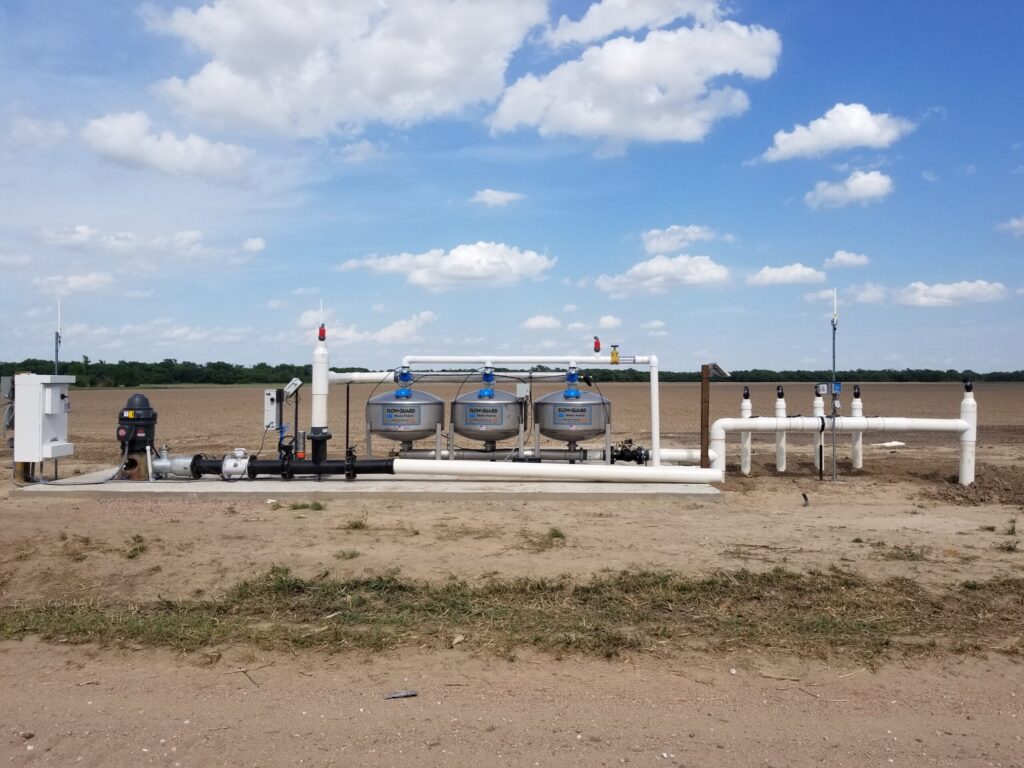
Several types of advanced water filtration systems for agriculture are utilized in agriculture. Each system has unique features and benefits that make it suitable for different farming needs.
- Reverse Osmosis (RO) Systems: RO is a process where water is forced under pressure through a semipermeable membrane, leaving contaminants behind. These systems are widely used in agricultural production, especially in arid regions where water resources are scarce. They provide clean, reusable water to plants and can also help improve soil quality.
- Ultraviolet (UV) Purification Systems: UV purification uses UV light to kill or inactivate microorganisms by destroying their DNA. This technology has become increasingly compact, with systems small enough to fit in a water bottle, but larger versions can purify agricultural water.
- Nano-filtration Systems: Nano-filtration is a type of membrane filtration system that is capable of removing most organic molecules, nearly all viruses, bacteria, and colloids. It’s particularly useful for treating water that contains harmful dissolved solids.
- Micro-filtration Systems: Micro-filtration is another type of membrane filtration that operates on a slightly larger scale than nano-filtration. It’s effective at removing sediments, algae, protozoa, and large bacteria.
- Sandstorm Media Filters: These filters are commonly used in irrigation filtration systems and are trusted for their ability to remove large particles like sand and algae from water.
- Gravel Filters: Gravel filters are a type of mechanical filtration system that uses layers of gravel to filter out large sediments and debris. They’re often used in conjunction with other filtration systems to pre-treat water before it undergoes further treatment.
Benefits of Using Advanced Water Filtration Systems in Agriculture
Advanced water filtration systems offer a multitude of benefits for agricultural practices. They are critical in maintaining a healthy and sustainable environment and contribute significantly to improved farming outcomes.
- Increased Crop Yield: By eliminating water contaminants, filtration systems provide crops with clean water, promoting optimal growth and leading to increased crop yield.
- Improved Soil Quality: Advanced farming techniques, such as the use of reverse osmosis (RO) water filtration systems, can greatly improve soil quality. Clean, reusable water nourishes the soil, enhancing its fertility and productivity.
- Consistent Water Quality: RO water filtration systems make growing more calculable by making water quality consistent and free of pollutants and minerals.
- Reduced Water Usage: Modern water treatment technologies can lead to reduced water usage. This is particularly important in regions where water resources are scarce.
- Increased Profitability: With improved crop yields and reduced water usage, farmers can expect increased profitability as a result of implementing advanced water filtration systems.
- Sustainability: Water filtration systems play a vital role in sustainable, high-yield farming. They ensure that the water used for irrigation is of optimal quality, contributing to the overall sustainability of agricultural practices.
- Application in Greenhouses and Aquaculture: It’s not a secret that reverse osmosis water treatment systems are utilized in cultivation houses for the latest plants in greenhouses or aquaculture growing.
Challenges and Considerations in Implementing Advanced Water Filtration Systems
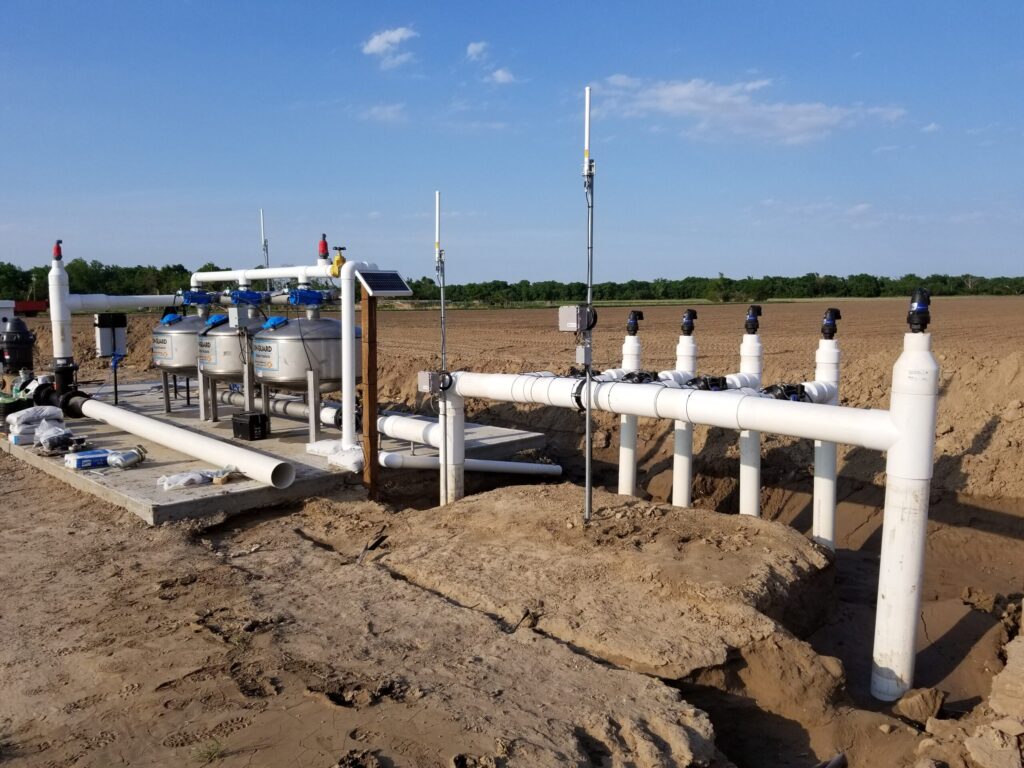
Implementing advanced water filtration systems, particularly in agricultural and industrial settings, comes with several challenges and considerations:
- Infrastructure and Financial Constraints: The cost of installing and maintaining advanced water filtration systems can be prohibitive, especially in developing countries. This includes the costs associated with infrastructure development, equipment, and ongoing maintenance.
- Technical Expertise: Implementing and managing advanced water filtration systems requires technical expertise. This includes understanding how to install, operate, and maintain the equipment, as well as monitor water quality.
- Equipment Design and Specification: The design and specification of the filtration system must be suited to the specific needs and conditions of the application. This could include factors such as the quality of the source water, the desired quality of the treated water, and the volume of water that needs to be treated.
- Maintenance Challenges: Advanced water filtration systems, like any mechanical system, require regular maintenance to continue operating effectively. This can include replacing filters, repairing or replacing broken parts, and troubleshooting any operational issues.
- Bacteria Control: Even with filtration, bacteria control can be challenging. It is important to ensure that the water filtration system is capable of effectively removing harmful bacteria and that the treated water is stored and distributed in a way that prevents bacterial contamination.
- Variations in UV Transmittance
For systems that use UV purification, variations in UV transmittance (UVT) can pose a challenge. These variations can affect the effectiveness of the UV treatment, requiring monitoring and adjustments to ensure effective disinfection. - Cultural Acceptance: In some regions, there may be cultural resistance to the use of advanced water filtration systems. This can be due to a lack of understanding about the benefits of these systems, or concerns about the safety or taste of filtered water.
The Future of Agriculture with Advanced Water Filtration Systems
Advanced water filtration systems are increasingly becoming a critical component in the future of agriculture. As global water resources become more scarce, these technologies offer a way to ensure a sustainable water supply for farming operations.
- Smart Agriculture: Smart agriculture is the future of farming, and modern water filtration technologies are an integral part of this movement. These systems can provide clean, reusable water to plants and can improve soil quality through advanced farming techniques.
- Sustainable Agriculture Practices: Implementing advanced agricultural water filtration techniques in agricultural practices offers several benefits, including enhanced nutrient delivery and disease prevention. By improving the quality of the water used in irrigation, these systems can contribute to more sustainable and productive farming practices.
- Water Conservation: These systems can help conserve water by treating and reusing wastewater, reducing the overall amount of water needed for agricultural operations.
- Advanced Treatment Systems and Sensors: These tools can provide real-time data on water quality, allowing farmers to make informed decisions about water use and treatment.
- Innovative Filtration Systems: This system offers precise depth filtration, modularity, and data measurement to combat water quality degradation and protect irrigation systems.
- Efficient Water Supply Systems for Agricultural Processing: By implementing efficient water supply systems, agricultural processing and packaging can be significantly improved.
These technologies offer a practical solution to some of the most pressing issues facing global agriculture today, including water scarcity, soil degradation, and the need for increased productivity.