
Irrigation for Corn
Irrigation for Corn: Tips and Techniques for Higher Yields
Corn is one of the most important crops in the world and plays a critical role in the global food industry. As such, it is not surprising that farmers constantly seek new and innovative ways to maximize their corn yields. Among other things, this involves an efficient and effective irrigation system. The right irrigation system not only improves crop yields but also ensures the crop is healthy, mitigates losses, and saves water and energy. Therefore, knowing the science behind corn irrigation and selecting the right tips and techniques can make all the difference in achieving higher yields. In this article, we will explore the irrigation for corn and provide you with the tips and techniques proven to maximize your corn yield. So, buckle up, and let’s explore together.
The Importance of Corn Irrigation
Corn is one of the most popular food crops cultivated across the globe. With its abundant nutritional value, it has become a staple food for many people. However, corn requires proper irrigation to grow and develop into healthy plants that can produce yields with bountiful harvests. This is where the importance of corn irrigation comes into play. Without adequate watering, the corn crop can wither and die, which can lead to significant crop losses, diminished yields, and food shortages.
Irrigation offers the solution to this problem by providing the necessary moisture and nutrients to the corn crops at the right time. Moreover, it helps to regulate the distribution and availability of water in the soil, thereby providing the best growing environment for the plants. This enables the corn plants to grow and mature faster, produce higher yields, and thrive healthily through all growth stages. As a result, farmers can benefit from increased incomes and greater food security all year round.
Notably, corn irrigation also plays a crucial role in maintaining environmental sustainability. With the current climate change crisis, water is becoming increasingly scarce, and irrigation enables farmers to save water by adopting modern irrigation systems that maximize water efficiency. This results in less water usage, decreased soil erosion, and reduced environmental degradation due to the overuse of natural resources. Therefore, irrigation not only promotes sustainable farming but also contributes to preserving our planet Earth for future generations.
Understanding the Water Needs of Corn
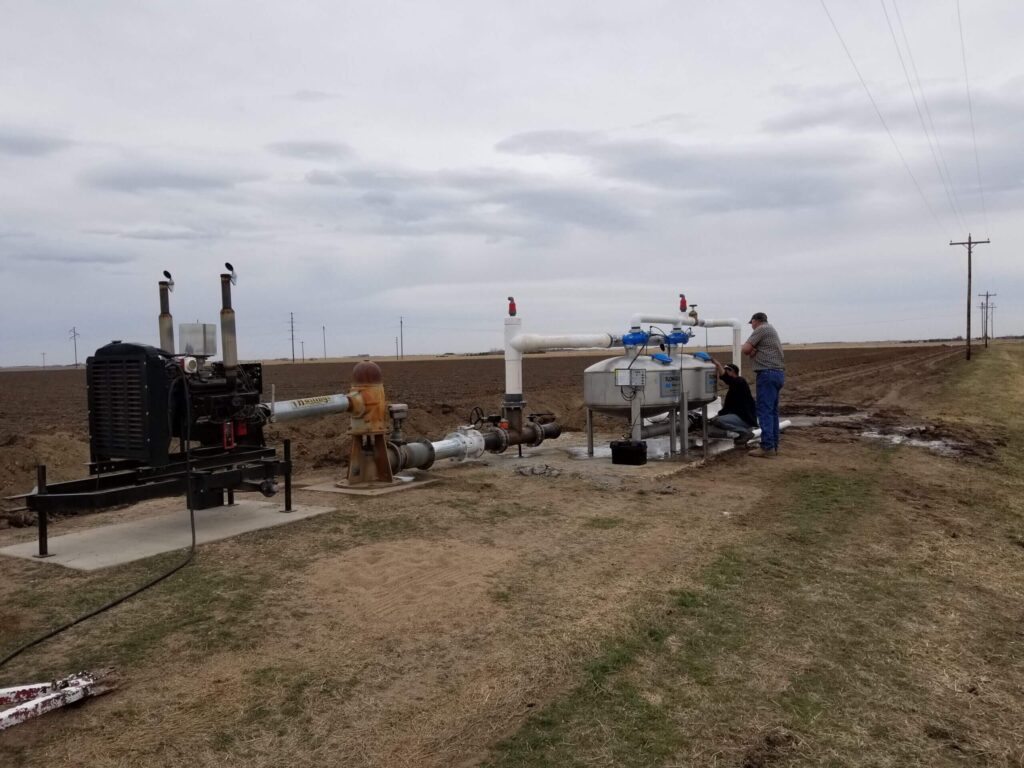
Corn is one of the most widely cultivated crops in the world, and it plays a crucial role in ensuring global food security. Understanding the water needs of corn is essential for farmers who want to maximize their crop yield and reduce water usage. Water plays a critical role in the growth and development of corn, and inadequate or excessive water can drastically affect crop yield.
Corn plants require a significant amount of water during their growth stages, with the highest water demand occurring during the vegetative and reproductive phases. A lack of water at these stages can lead to stunted growth, reduced cob size, and low grain yield. On the other hand, excessive water can cause drowning of roots, poor aeration, and nutrient loss. The timing of irrigation is also crucial, as corn plants are more susceptible to water stress during specific stages of growth.
Soil type and texture also play a critical role in water availability to corn plants. Sandy soils tend to lose water more quickly and require frequent irrigation, while clay soils have better water retention capacity. It is essential to maintain the appropriate soil moisture level, as it not only affects the yield and quality of corn but can also lead to soil erosion, which can cause long-term damage to the farmland.
Choosing the Right Irrigation System
The science of corn irrigation involves understanding the water needs of corn and selecting the right irrigation system to meet those requirements. There are various irrigation methods available, each with its advantages and disadvantages. Choosing the right system will depend on factors such as soil type, climate, water availability, crop rotation, and budget. Here’s an overview of some popular irrigation systems used in corn cultivation.
- Surface Irrigation: This method involves the application of water to the surface of the crop through channels or furrows. It is a common and affordable option, but it has low efficiency, as water can be lost to evaporation and runoff. However, with proper management, it can still be an effective option for small-scale farmers.
- Sprinkler Irrigation: Sprinkler irrigation method involves spraying water over the crop using sprinklers mounted on overhead pipes. It is a popular system as it ensures uniform water distribution and can be used for various soil types. However, it can be expensive to install and maintain, and it uses more energy compared to other methods.
- Drip Irrigation: Drip irrigation method involves delivering water directly to the root zone of the corn plants through a network of pipes and emitters. It is highly efficient, as it minimizes water loss due to evaporation and runoff. It can also be customized for different soil types, making it a suitable option for small-scale and large-scale farmers alike.
Selecting the right irrigation system will depend on various factors, and farmers should carefully evaluate their options before making a decision.
Techniques for Effective Corn Irrigation
Apart from choosing the right irrigation system, there are other techniques that farmers can employ to ensure effective corn irrigation. These include:
- Monitoring soil moisture levels: Regularly checking the soil moisture level is crucial in determining when to irrigate and how much water to apply. Different crops have different water needs, and monitoring ensures that the corn plants receive adequate water without wasting resources.
- Adopting irrigation scheduling: Instead of irrigating based on a set schedule, farmers can use techniques like soil sensors and weather forecasts to determine when to irrigate. These methods ensure that irrigation is done at the right time and only when necessary.
- Utilizing cover crops: Planting cover crops between rows of corn can help reduce evaporation from the soil surface, improve soil quality, and reduce runoff. Cover crops also help retain moisture in the soil, reducing the need for frequent irrigation.
With proper water management, farmers can contribute to global food security while preserving our planet’s precious resources.
Understanding the Role of Nutrients in Irrigation
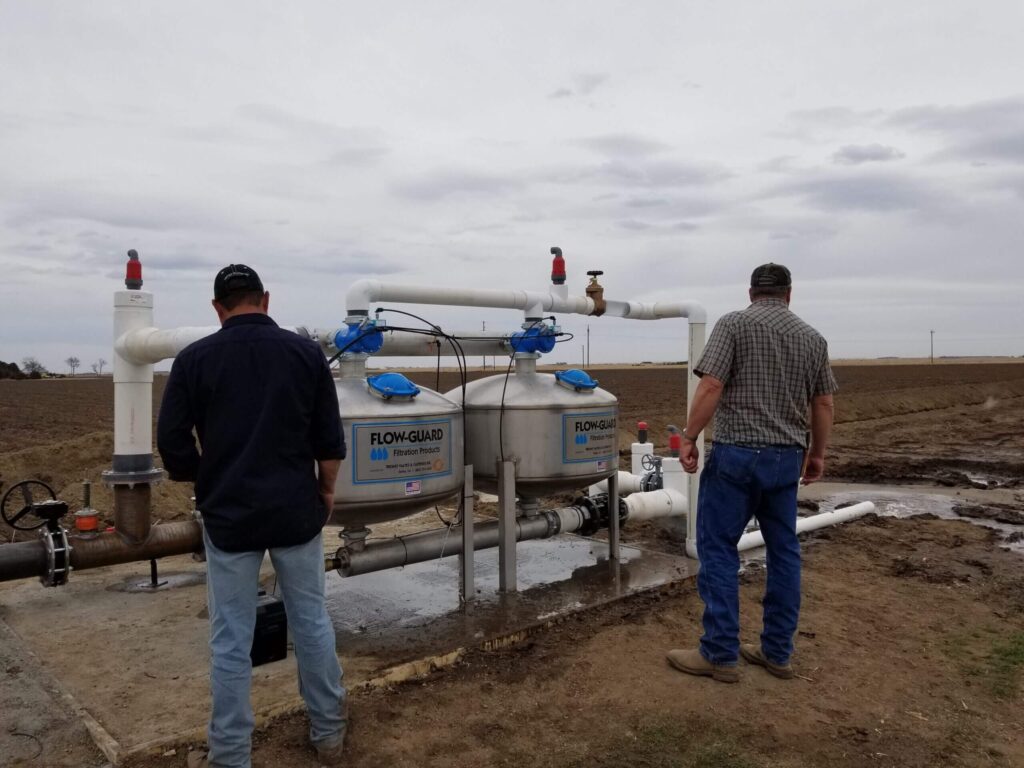
When it comes to agriculture, irrigation plays an essential role in ensuring the proper growth and development of crops. However, irrigation alone is not enough to guarantee a healthy crop yield. The role of nutrients in irrigation is equally crucial. Nutrients are essential elements that help regulate plant growth. Understanding the role of nutrients in irrigation is critical to achieving a bountiful harvest.
One of the most important nutrients in irrigation is nitrogen. Nitrogen is an essential component in the process of photosynthesis, which enables plants to create energy from sunlight. It also plays a vital role in the creation of proteins, which are essential for plant growth and development. Other nutrients important in irrigation include phosphorus for root growth and potassium for plant hardiness.
It is important to note that the application of nutrients in irrigation must be done in moderation. Too much of a particular nutrient can lead to soil imbalance and environmental pollution. That’s why farmers must carefully analyze their soil and crops to determine the right balance of nutrients needed.
Improving Corn Irrigation Management for Higher Yield
In addition to choosing the right irrigation system and understanding the role of nutrients, there are other ways farmers can improve their corn irrigation management for higher yield. These include:
- Crop rotation: Planting different crops in a specific sequence can help maintain soil health and prevent nutrient depletion. This results in better water retention and improved overall crop yield.
- Mulching: Covering the soil with organic materials like straw or wood chips can help retain moisture and reduce weed growth, thus reducing the need for frequent irrigation.
- Conserving water: Implementing techniques such as rainwater harvesting and drip irrigation can help conserve water resources while still providing adequate hydration for corn plants.
By incorporating these methods into their irrigation practices, farmers can improve their crop yield while promoting sustainable farming methods.
In conclusion, effective irrigation is crucial for successful corn cultivation. Choosing the right irrigation system, understanding the role of nutrients, and implementing proper water management techniques are key to achieving high crop yields while preserving our natural resources. Farmers must carefully assess their options and continuously monitor and adjust their irrigation practices to ensure optimal results. With proper care and attention, corn can continue to be a staple crop for centuries to come. So, it is important for farmers to continuously educate themselves on the best irrigation practices and techniques to ensure sustainable and successful corn cultivation. By implementing these methods, we can not only improve our agricultural systems but also contribute towards a more food secure future for generations to come. Let us all work together towards responsible and efficient irrigation practices for a healthier planet and a thriving agricultural sector. So, let’s all strive towards responsible and efficient irrigation practices for the sake of our planet and future generations. Together, we can achieve a more sustainable and food secure world.