
Why Subsurface Drip Irrigation Is Gaining Attention in Modern Farming
Why Subsurface Drip Irrigation Is Gaining Attention in Modern Farming
Water scarcity is one of the most pressing challenges facing agriculture today. As global populations rise and weather patterns become increasingly unpredictable, farmers are under immense pressure to produce more food with fewer resources. Traditional farming practices that rely heavily on abundant water supplies are quickly becoming unsustainable, prompting a massive shift toward innovative water management strategies.
Subsurface Drip Irrigation (SDI) is leading this agricultural revolution. Unlike traditional sprinkler or flood irrigation, SDI delivers water and nutrients directly to the plant’s root zone through buried drip lines. This precise application method eliminates surface evaporation and minimizes runoff, ensuring every drop of water is utilized effectively.
By offering unparalleled benefits in water conservation, crop yield, and operational efficiency, subsurface drip irrigation has become a critical technology for modern farming operations looking to secure a profitable and sustainable future.
The Evolution of Irrigation: From Flood to SDI
Humanity has been irrigating crops for thousands of years. Early agricultural societies relied heavily on flood irrigation, diverting river water into fields to soak the soil. While effective for early civilizations, this method is highly inefficient. Flood irrigation leads to massive water loss through evaporation and deep percolation. It can also cause severe soil erosion and promote the spread of waterborne diseases among plants.
The introduction of sprinkler systems, including center pivots, marked a significant improvement. These systems allowed farmers to cover vast acreage with less manual labor. However, sprinklers still lose a substantial amount of water to the wind and sun. They also wet the plant canopy, which can encourage fungal diseases and pests.
Surface drip irrigation eventually entered the scene, offering a much more precise way to water crops by placing drip tape directly on the ground. This method significantly improved water use efficiency but left the equipment vulnerable to damage from farm machinery, animals, and harsh weather.
Subsurface Drip Irrigation represents the next frontier in this evolution. By burying the drip lines below the plow depth, SDI protects the equipment while maximizing water efficiency. It takes the precision of surface drip irrigation and combines it with long-term durability, creating a highly refined system tailored for the future of farming.
Core Advantages of Subsurface Drip Irrigation
Water Conservation
Water conservation is the most prominent advantage of SDI. Because the system applies water directly to the root zone below the soil surface, evaporation is virtually eliminated. Surface runoff, a common problem with heavy sprinkler applications, is also prevented. Studies have shown that SDI can reduce water usage by 25% to 50% compared to traditional irrigation methods. This level of efficiency allows farmers to stretch their limited water allocations further and maintain production even during drought conditions.
Enhanced Crop Yield and Quality
Plants thrive when they have consistent access to moisture and nutrients. SDI maintains uniform soil moisture levels, preventing the stress associated with the wet-dry cycles common in other irrigation methods. This optimal growing environment translates directly to higher yields. Furthermore, because the soil surface remains dry, weed seed germination is significantly reduced. Keeping the plant canopy dry also minimizes foliar diseases, resulting in healthier, higher-quality crops. SDI also excels at fertigation, allowing farmers to deliver liquid fertilizers directly to the roots with incredible precision.
Operational Efficiencies and Cost Savings
While SDI requires an upfront investment, it drives substantial cost savings over time. These systems operate at much lower pressures than sprinklers, leading to a significant reduction in pumping energy costs. Labor requirements are also lower, as the automated systems require less physical intervention and moving of equipment. Because fertilizers and pesticides are applied more efficiently through the system, farmers spend less on agricultural chemicals. A properly maintained SDI system can last for decades, providing a strong return on investment.
Environmental Benefits
SDI is a highly environmentally friendly irrigation practice. By delivering nutrients directly to the roots in small, controlled doses, it minimizes nutrient leaching into groundwater. The reduction in weed pressure often means fewer tractor passes are needed for mechanical cultivation or herbicide application, which reduces fuel consumption and greenhouse gas emissions. Overall, SDI promotes better soil health by preventing compaction and reducing topsoil erosion.
Key Components and How SDI Works
Emitters
These are the tiny devices embedded inside the drip tape or tubing. They regulate the flow of water, ensuring that every plant receives a uniform amount of moisture, regardless of elevation changes in the field.
Drip lines
Made from durable polyethylene, these tubes transport the water across the field. In an SDI system, they are buried at a specific depth depending on the crop type and soil characteristics.
Filtration systems
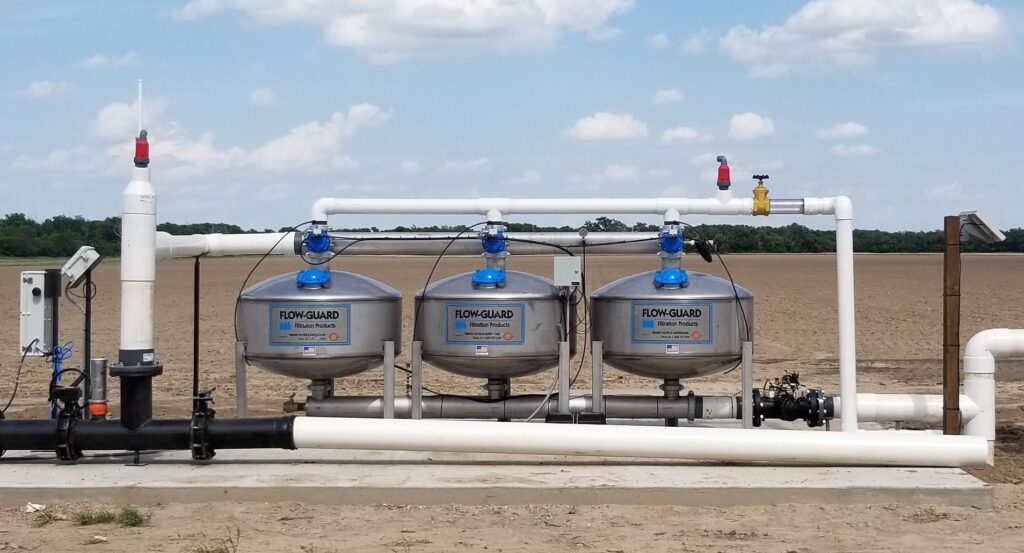
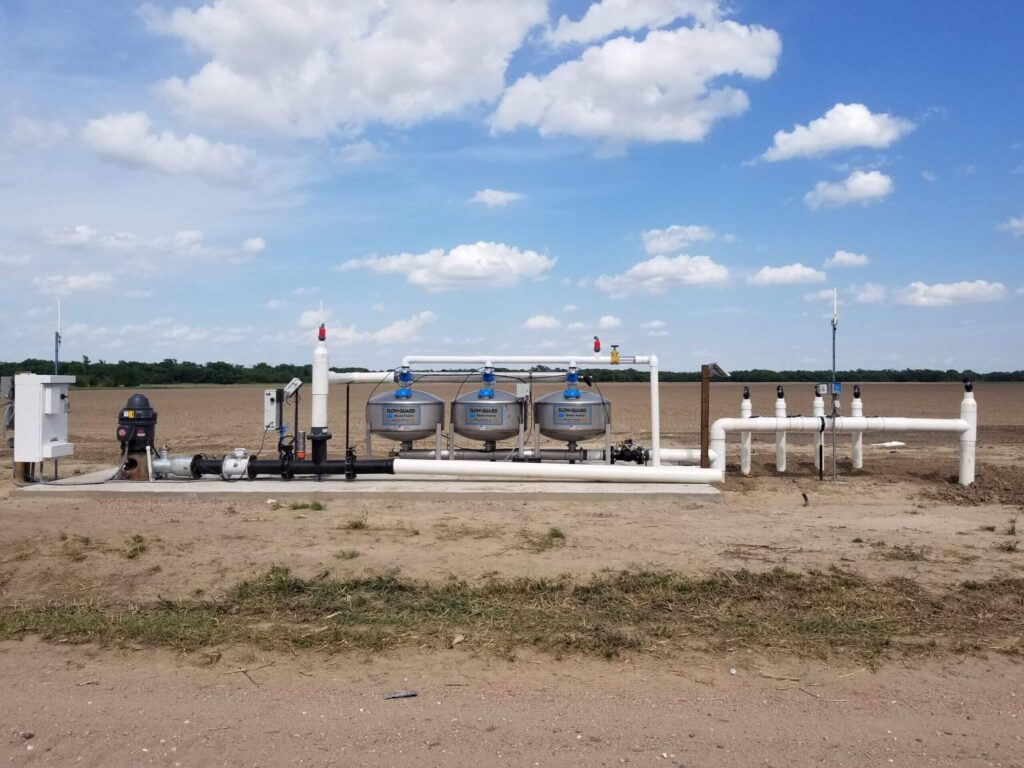
This is the heart of the SDI system. Because the emitters have very small openings, the water must be thoroughly filtered to remove sand, algae, and minerals. Common filtration methods include sand media filters, screen filters, and disk filters.
Pressure regulation and control
Valves and pressure regulators ensure that water moves through the system at the correct pressure, preventing line blowouts and ensuring uniform water distribution.
Automation and monitoring technologies
Modern SDI systems utilize electronic controllers to automate watering schedules based on real-time data, making management incredibly efficient.
Applications of SDI Across Different Crops and Regions
Row Crops
Row crops such as corn, soybeans, and cotton are increasingly grown using SDI. In these broadacre applications, the drip tape is typically buried deep enough to allow for shallow tillage and planting operations above it. This approach has proven highly successful in boosting corn yields while slashing water use.
Permanent Crops
Orchards and vineyards are ideal candidates for SDI. For these permanent crops, the subsurface lines provide a consistent water supply to the deep root systems of fruit and nut trees without interfering with harvest machinery or encouraging weed growth in the aisles.
Vegetables and Specialty Crops
Vegetable growers utilize SDI to produce high-value crops like tomatoes, onions, and melons. The precise moisture control helps prevent cracking and splitting in fruits and vegetables, leading to a higher percentage of marketable produce.
Arid vs. Humid Climates
In arid regions, SDI is a survival tool, allowing farming to continue despite severe water shortages. In more humid climates, SDI is often used as supplemental irrigation. It acts as an insurance policy during short, unexpected dry spells, ensuring yields do not suffer when natural rainfall falls short.
Addressing Common Concerns and Challenges
Despite its many benefits, transitioning to SDI does come with specific challenges that must be managed.
The initial investment cost is often the biggest hurdle for growers. Installing an SDI system requires purchasing specialized equipment, filters, and miles of drip tape. However, farmers must view this as a long-term capital investment that pays off through higher yields and lower operating costs.
Maintenance is another critical factor. Because the lines are buried, clogging from debris, root intrusion, or mineral buildup can be difficult to detect and fix. Proper filtration and regular flushing of the lines with mild chemical treatments are essential to keep the system running smoothly.
Rodent damage can also occur, as animals may chew through the buried plastic tubing in search of water. Growers can mitigate this by maintaining proper field sanitation, managing rodent populations, and running the system regularly to discourage nesting. Working with experienced installers ensures the system is designed to minimize these risks from the start.
The Role of Technology and Innovation in SDI
Sensor technology plays a huge role in modern SDI management. Soil moisture probes buried at varying depths provide real-time data to the farmer’s smartphone or computer, showing exactly when and how much water the crop needs. This eliminates the guesswork from irrigation scheduling.
The Internet of Things (IoT) has led to smart irrigation systems where sensors, weather stations, and pump controllers communicate with each other automatically. Artificial intelligence and data analytics are now being used to analyze vast amounts of field data, providing predictive recommendations to optimize watering strategies. When integrated with comprehensive farm management software, SDI becomes a highly precise, data-driven engine for agricultural success.
Western Irrigation’s Expertise in Subsurface Drip
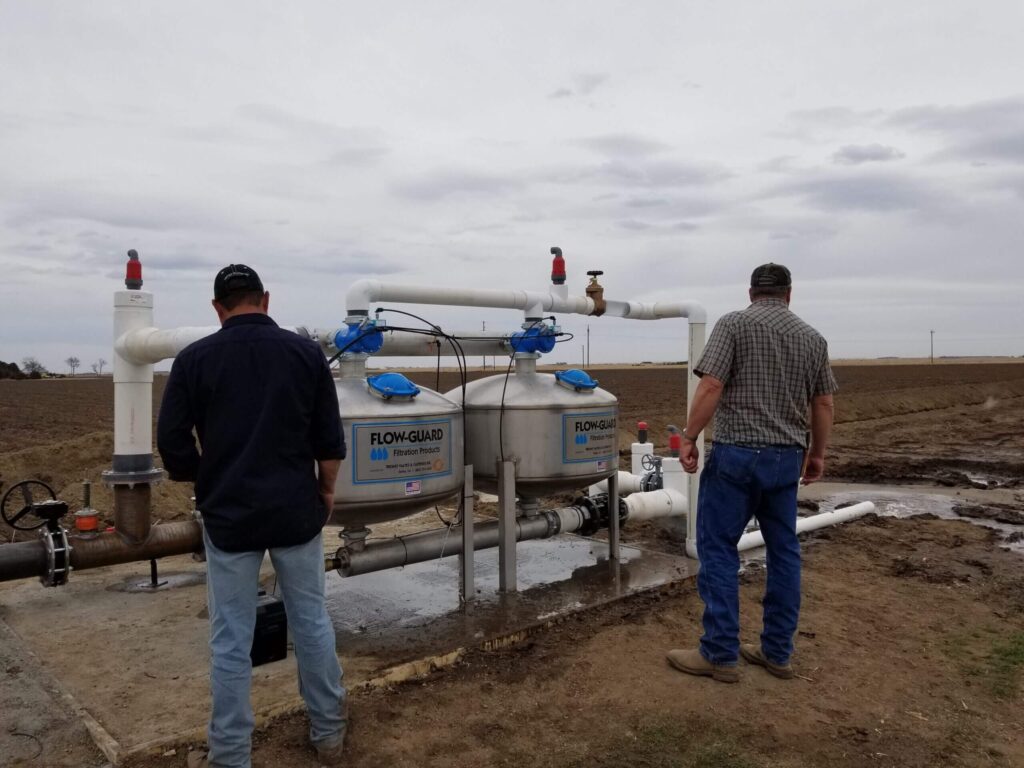
Implementing SDI system is a complex process that requires careful planning, engineering, and execution. If you are looking for reliable irrigation services near Nebraska, USA, Western Irrigation provides the expertise you need to succeed.
Western Irrigation understands the unique soil profiles, weather patterns, and agricultural challenges of the Midwest. Their team works closely with farmers to design custom SDI systems tailored to specific field layouts and crop rotations. From selecting the right filtration components to calculating precise emitter spacing, they ensure the system is optimized for maximum efficiency and longevity.
Beyond installation, Western Irrigation is dedicated to providing ongoing support. They assist growers with system maintenance, technology integration, and troubleshooting, ensuring that your investment continues to perform at its highest level year after year.
Invest in the Future of Farming
Subsurface drip irrigation is more than just a watering method; it is a comprehensive management tool that transforms how modern farms operate. By conserving precious water resources, boosting crop yields, and promoting environmental sustainability, SDI addresses the most critical challenges in agriculture today.
Farmers looking to improve their bottom line and protect their land for future generations should strongly consider the transition to underground precision watering.
Ready to modernize your farm’s water management? Contact Western Irrigation today to explore custom SDI solutions and take the first step toward a more resilient and profitable harvest.