
Subsurface Drip Irrigation for Corn: Timing, Depth, and Spacing
Subsurface Drip Irrigation for Corn: Timing, Depth, and Spacing
Consistent water access is one of the biggest challenges facing modern corn producers. As weather patterns become more unpredictable and water resources grow scarce, finding an efficient way to hydrate crops is critical for maintaining profitability. Traditional irrigation methods often lose significant amounts of water to evaporation and runoff, leaving farmers searching for smarter alternatives.
Subsurface Drip Irrigation (SDI) provides a highly effective solution. By delivering water and nutrients directly to the root zone, this method maximizes resource efficiency while boosting overall crop performance. When executed correctly, it reduces waste, lowers input costs, and significantly improves yield potential.
Mastering SDI requires a solid understanding of a few core principles. You need to know exactly when to run the system, how deep to bury the lines, and how far apart to space them. As a trusted leader in agricultural water management, Western Irrigation offers the expertise and technology required to help farmers design and implement highly efficient SDI systems tailored to their specific fields.
Understanding the Basics of SDI for Corn
What is SDI?
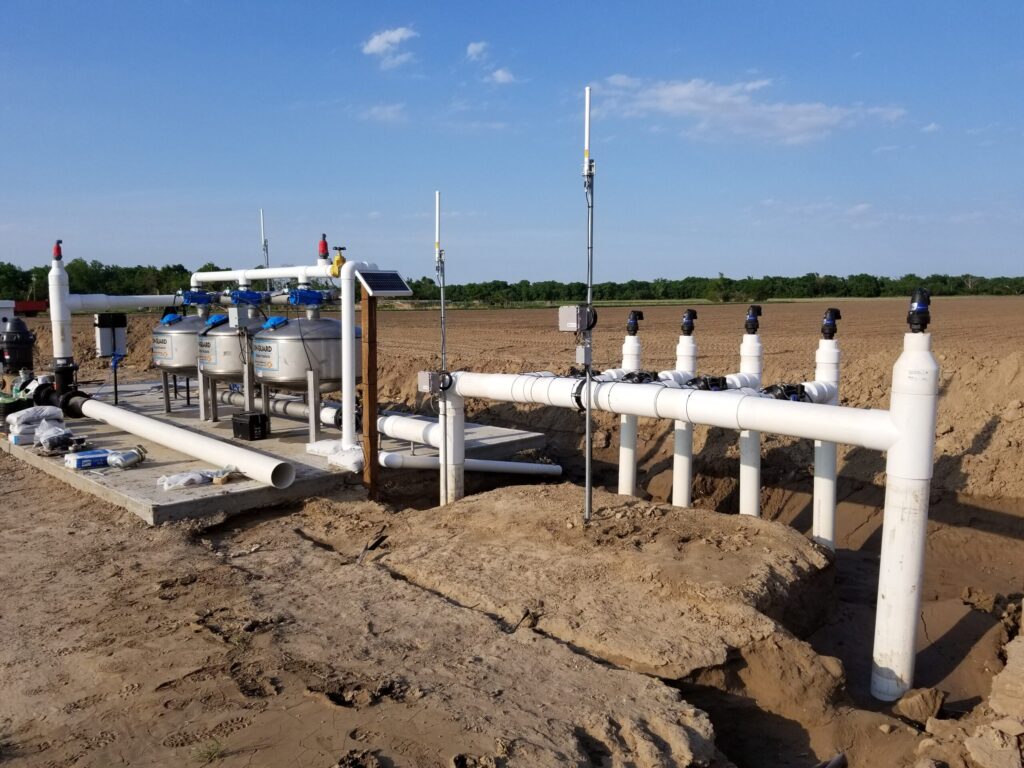
Subsurface Drip Irrigation is a low-pressure, high-efficiency system installed below the soil surface. It consists of a network of polyethylene tubes, known as driplines, equipped with built-in emitters. These emitters slowly release exact amounts of water and dissolved fertilizers directly into the soil. The core components also include a pumping station, filtration units to prevent clogging, pressure regulators, and automated control valves.
Advantages Over Traditional Methods
Traditional irrigation techniques, such as center pivot and furrow irrigation, expose water to the open air. This leads to heavy losses through evaporation, wind drift, and surface runoff. Furrow irrigation often causes uneven water distribution, waterlogging some plants while leaving others dry. Center pivots require significant energy to operate and can foster foliar diseases by keeping the plant canopy wet. SDI eliminates these issues entirely. Water remains underground, leaving the soil surface dry, which severely limits weed growth and reduces disease pressure while allowing farm equipment to enter the field at any time.
Key Considerations for Adoption
Transitioning to SDI requires an initial capital investment and a shift in farm management practices. Farmers must consider their specific soil types, field topography, and water quality before installation. High-quality filtration is essential to prevent emitter clogging from organic matter or minerals in the water supply. Working with experienced professionals ensures these variables are correctly managed during the design phase.
Timing is Everything: Optimal SDI Installation and Operation
Pre-Plant Installation
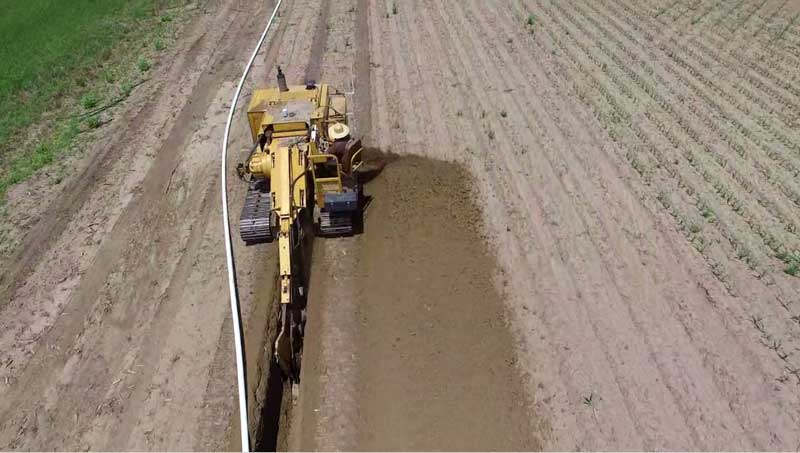
Installing an SDI system before planting is the most common and effective approach. This allows the soil to settle and gives operators time to test the system for leaks or pressure issues. Pre-plant installation also ensures that the field is ready for immediate moisture management once seeds are in the ground.
Post-Plant Establishment and Initial Irrigation
During the early stages of corn growth, careful water management is crucial. If the soil surface is exceptionally dry at planting, farmers may need to rely on rainfall or a supplemental overhead pass to ensure proper germination, as SDI targets the deeper root zone. Once the root system begins to establish itself downward, the SDI system takes over completely.
Seasonal Timing for Water and Nutrient Application
One of the greatest benefits of SDI is the ability to spoon-feed nitrogen and other nutrients (fertigation) directly to the crop throughout the season. Timing these applications to match the peak uptake periods of corn—specifically right before the tasseling and silking stages—ensures maximum nutrient utilization and prevents leaching.
Western Irrigation’s Recommended Timing Protocols
Western Irrigation works closely with growers to establish customized irrigation schedules. By analyzing soil moisture sensors and crop evapotranspiration data, Western Irrigation helps you apply the exact amount of water needed at the perfect time in the growing cycle.
Depth Matters: Placing Drip Lines for Maximum Efficiency
Ideal Depth for Soil Types and Growth Stages
For corn production, driplines are typically buried between 12 and 16 inches below the surface. However, this varies based on soil texture. In sandy soils, water tends to move straight down, so lines might be placed slightly shallower. In heavy clay, water moves laterally through capillary action, allowing for deeper placement without starving the young plants.
Impact of Depth on Root Development
Placing the tape at the correct depth encourages deep, robust root systems. If the tape is too shallow, it limits the plant’s structural stability and makes the lines vulnerable to damage from deep tillage or heavy machinery. If placed too deep, young corn plants may struggle to reach the moisture profile during early development stages.
Tools and Techniques for Accurate Placement
Modern installation implements use GPS-guided tractors and specialized shanks to lay the drip tape with pinpoint accuracy. This ensures a uniform depth across the entire field, which is critical for consistent hydraulic performance and even crop growth.
Western Irrigation’s Custom Depth Solutions
There is no universal standard for drip line depth. The specialists at Western Irrigation analyze your specific soil profile and farming practices to recommend and implement the precise depth required to protect your investment and maximize water uptake.
Spacing for Success: Drip Line Configuration
Row Spacing vs. Drip Line Spacing
Drip line spacing must closely align with your row crop configuration. The goal is to ensure that the wetting front from the emitter reaches the root zone of the adjacent corn rows evenly.
Factors Influencing Optimal Spacing
Soil type is the primary driver of spacing decisions. Heavier soils allow water to spread wider horizontally, meaning lines can often be spaced further apart. Sandy soils require closer spacing to ensure the moisture reaches the plants before draining below the root zone.
Single vs. Multiple Drip Lines per Row
In typical 30-inch corn row spacing, it is common to place one drip line exactly between every other row (60-inch drip line spacing). This means each line hydrates two rows of corn. This configuration balances excellent yield potential with a lower installation cost compared to placing a line under every single row.
Western Irrigation’s Tailored Spacing
Western Irrigation evaluates your plant density, row spacing, and soil characteristics to design a grid that guarantees uniform water distribution. Their tailored designs prevent dry spots and avoid the wasted expense of over-engineering the system.
Benefits of SDI for Corn Production
Water Conservation and Cost Reduction
SDI operates with up to 95% efficiency. By eliminating evaporation and runoff, farmers can drastically reduce the total acre-inches of water required to produce a successful corn crop. This translates directly to lower pumping costs and reduced water consumption, a vital benefit in areas facing strict water allocations.
Precision Nutrient Delivery
Traditional broadcast fertilization often results in nitrogen loss due to volatilization or heavy rain events washing nutrients away. SDI fertigation delivers nitrogen directly to the active root system. This precision reduces total fertilizer requirements and prevents dangerous nitrate leaching into local groundwater systems.
Increased Yield and Quality
Consistent, stress-free access to water and nutrients allows corn plants to reach their maximum genetic potential. Fields equipped with SDI routinely show higher bushel-per-acre yields, heavier test weights, and exceptional uniformity across the entire harvest.
Energy Savings and Reduced Labor
Because SDI operates at much lower pressures than center pivots or large water guns, the energy required to pump the water is significantly reduced. The highly automated nature of the system also means farm managers spend less time physically moving pipes or monitoring open ditches, freeing up labor for other vital farm operations.
Environmental Impact
Sustainable agriculture relies on protecting topsoil and local water sources. SDI prevents soil erosion caused by surface runoff. By securing fertilizers securely in the root zone, the system protects neighboring ecosystems from agricultural runoff, making it one of the most environmentally responsible methods of commercial farming.
Overcoming Challenges and Best Practices with Western Irrigation
Common Challenges in SDI
While SDI is highly effective, it does present unique maintenance challenges. Emitter clogging from biological growth or mineral deposits is a primary concern. Additionally, rodents can sometimes chew through buried lines in search of water.
Maintenance and Troubleshooting Tips
Preventative maintenance is essential. Regularly flushing the lines and injecting mild acid or chlorine treatments keeps emitters clean and functioning properly. To manage rodents, maintaining a clean field perimeter and applying targeted controls when necessary will protect the underground infrastructure.
Western Irrigation’s Comprehensive Support
You do not have to navigate these challenges alone. Western Irrigation provides comprehensive post-installation support, offering maintenance schedules, water quality testing, and troubleshooting services to keep your system running flawlessly season after season.
Elevate Your Corn Production Strategy
Subsurface Drip Irrigation system transforms how you grow corn. By optimizing the timing of your applications, burying lines at the perfect depth, and configuring the ideal spacing, you can achieve unprecedented control over your crop’s development. SDI reduces waste, cuts input costs, and ultimately drives higher yields.
While the science behind SDI is clear, designing a system that works perfectly for your unique farm requires experienced partners. If you are ready to modernize your irrigation strategy and safeguard your yields against unpredictable weather, reach out to the experts. Contact Western Irrigation today to schedule a consultation and discover how a customized SDI system can elevate your farming operation.