Breaking Down Subsurface Drip Irrigation System Components and Pricing
Breaking Down Subsurface Drip Irrigation System Components and Pricing
Efficient water management serves as a critical necessity for long-term sustainability and profitability in modern agriculture and landscaping. Operators face increasing pressure to optimize resource usage while maintaining high yield standards. Transitioning to advanced technological methods provides a reliable pathway to achieve these ambitious agricultural goals.
Subsurface Drip Irrigation (SDI) delivers water and nutrients directly to the root zone, significantly minimizing evaporation, reducing runoff, and maximizing crop health. This method bypasses the soil surface entirely, placing the vital resources exactly where the plants need them most. The result is a highly efficient hydration cycle that supports robust plant development across varying environmental conditions.
Understanding the core components, underlying technology, and investment factors of a subsurface drip irrigation system empowers agricultural operators to make informed, cost-effective decisions for commercial needs. Exploring the mechanics of these underground networks reveals precisely how modern equipment translates into measurable operational success. Implementing the right strategy fundamentally changes how an entire agricultural enterprise manages its most precious natural resource.
The Fundamentals of Subsurface Drip Irrigation
Defining the SDI Advantage
A clear understanding of how subsurface systems operate reveals a network functioning entirely underground to deliver precise moisture directly to plant roots. Buried drip lines distribute water evenly across the entire field, eliminating the inconsistencies commonly found in above-ground spraying. This targeted moisture delivery ensures that every single plant receives the exact hydration required for optimal growth.
Environmental and Agronomic Benefits
This targeted approach conserves water, improves soil health, and significantly reduces weed growth by purposefully keeping the soil surface dry. Because the top layer of the ground lacks moisture, invasive weed seeds fail to germinate, severely limiting their ability to compete with the primary crop. Furthermore, delivering water directly to the root zone dramatically reduces the risk of fungal diseases that often thrive on wet foliage.
Comparing Surface vs. Subsurface Systems
Upgrading to an underground network offers superior long-term efficiency compared to traditional surface methods by eliminating wind drift and surface evaporation. Traditional sprinklers lose a massive volume of water to the atmosphere before the droplets even touch the ground. Subsurface designs completely bypass this atmospheric interference, ensuring that every drop pumped into the system directly benefits the crop.
Core Components of the Water Delivery Network
The Control Zone
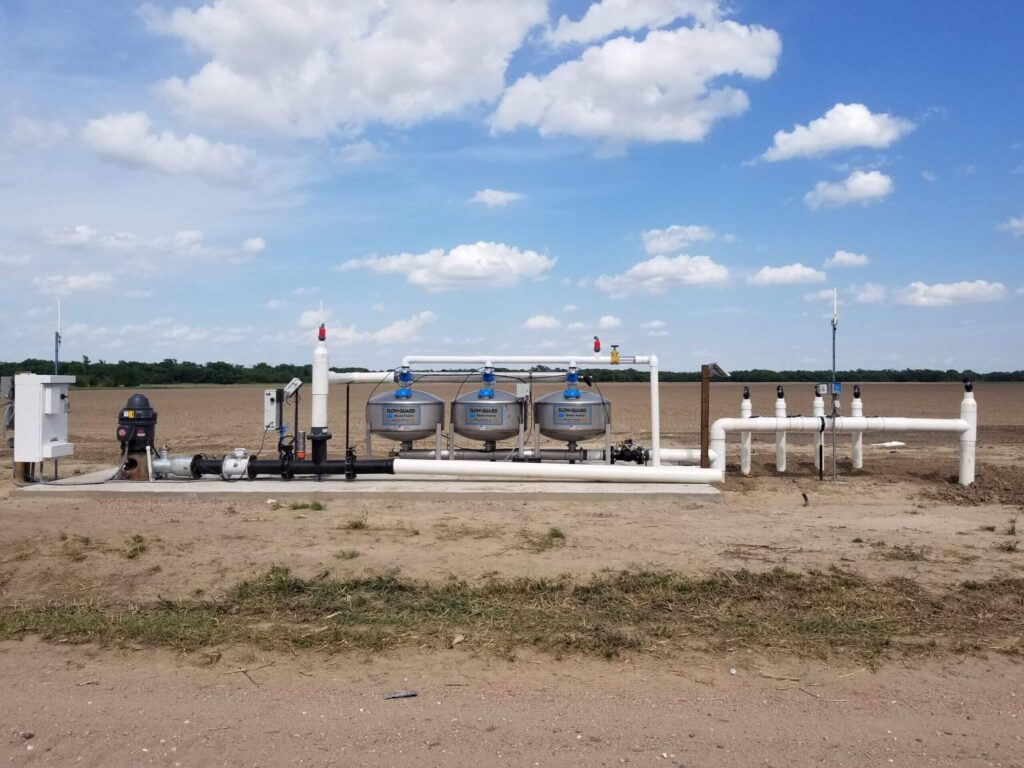
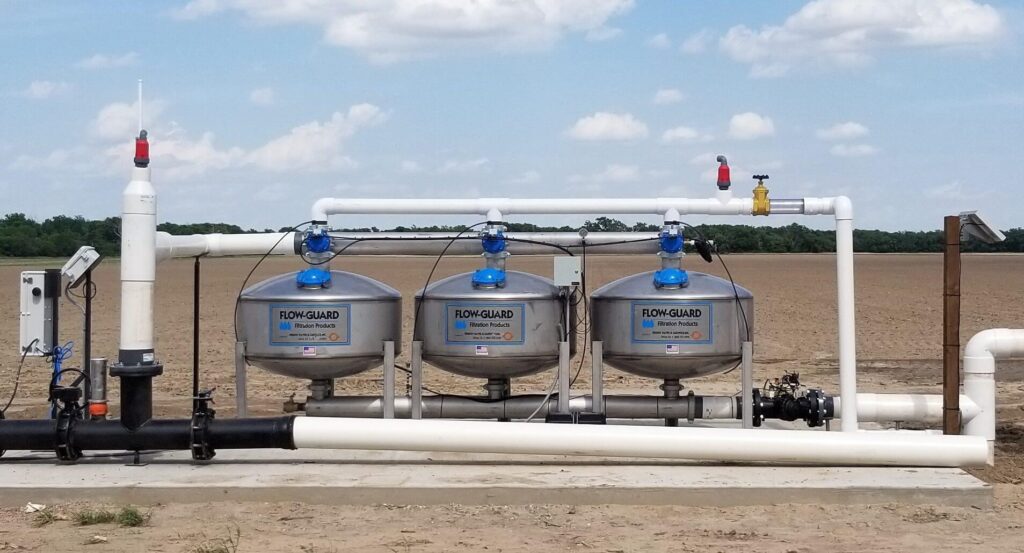
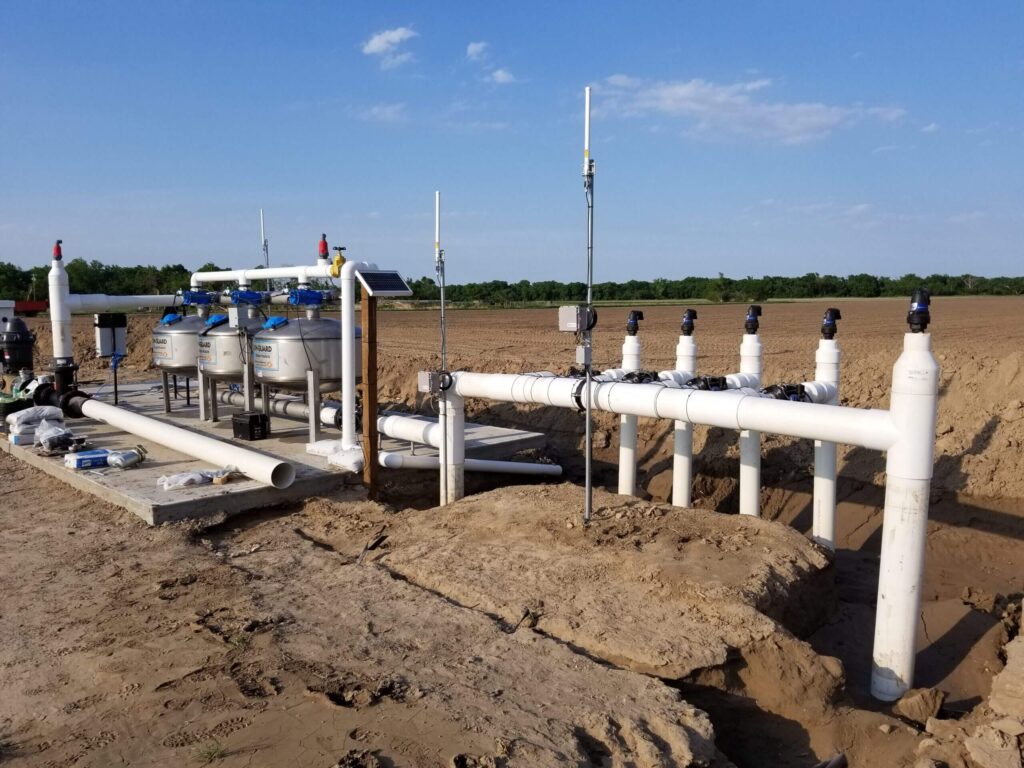
The control zone acts as the critical starting point of the system, housing automated valves, pressure regulators, and primary filtration systems that protect the entire downstream network. High-quality filters remove particulate matter, ensuring that sand and organic debris never enter the delicate underground tubing. Pressure regulators maintain a consistent flow rate, preventing dangerous spikes that could easily rupture buried lines.
Mainlines, Submains, and Manifolds
A carefully engineered hierarchy of PVC and polyethylene piping safely and efficiently transports water from the initial source directly out to the specific field zones. Mainlines carry the heavy volume of water from the pump station, securely moving it toward the designated submains. Manifolds then distribute the flow precisely into the individual drip tapes spread across the crop rows.
Drip Tape and Emitters
Specialized tubing and highly engineered emitters prevent root intrusion and soil ingestion while maintaining incredibly consistent flow rates across the entire agricultural space. These emitters feature complex internal labyrinths designed to regulate water droplets precisely, regardless of their physical distance from the main water source. Anti-siphon technology actively stops soil particles from being sucked back into the lines when the system depressurizes.
Advanced Technology and System Automation
Smart Controllers and Moisture Sensors
Integrating modern control panels with real-time soil data ensures that water is applied only when necessary, avoiding overwatering and optimizing resource allocation. Soil moisture sensors continuously monitor underground conditions, sending accurate feedback directly to the central control unit. The smart controller then automatically adjusts the watering schedule to match the exact physical needs of the plants at any given moment.
Fertigation and Chemigation Injectors
These mechanical systems safely inject essential fertilizers and chemicals directly into the irrigation line, allowing for targeted root absorption and minimized chemical waste. Operators can spoon-feed nutrients to the crop in precise doses throughout the growing season, matching the exact developmental stage of the plants. Delivering nutrients via water ensures uniform distribution, completely avoiding the concentrated hot spots that granular applications often create.
Flow Meters and Pressure Gauges
Utilizing advanced monitoring equipment allows operators to easily track system performance, optimize daily water usage, and quickly identify potential underground issues before they escalate. A sudden drop in pressure often indicates a line break, while an unexpected decrease in flow typically points toward a clogged filter. Regular monitoring provides the critical data needed to make informed maintenance decisions rather than relying on reactive troubleshooting.
Key Factors Influencing System Investments
Field Topography and Soil Composition
The physical characteristics of the land, such as elevation changes and specific soil types, dictate the overall complexity and structural design of the underground network. Sandy soils require emitters spaced closer together with higher flow rates, while heavy clay soils demand slow, widely spaced water delivery. Rolling hills necessitate advanced pressure-compensating emitters to ensure that plants at the top receive the same hydration as those at the bottom.
Material Quality and Component Lifespan
Evaluating the differences between standard and premium components demonstrates how investing in durable materials impacts upfront capital requirements while securing long-term operational reliability. Thicker-walled drip tape resists physical damage from insects and mechanical stress far better than thinner alternatives. High-grade filtration units require less manual cleaning and provide superior protection for the delicate downstream emitters.
Installation and Trenching Labor
The specialized labor required for precise underground placement involves heavy machinery and earthmoving techniques that heavily influence the initial financial scope of the project. Specialized GPS-guided tractors often pull the installation plows, ensuring that the drip lines are buried at the exact optimal depth for the specific crop. Creating the trenches for the mainlines and submains requires skilled operators who understand how to minimize topsoil disturbance.
Cost-Benefit Analysis and Long-Term ROI
Initial Investment vs. Operational Savings
Weighing the upfront capital required for subsurface drip irrigation against the significant reductions in daily water and fertilizer expenditures highlights a rapid return on investment. The targeted nature of SDI slashes water consumption, directly lowering the heavy energy costs associated with running large agricultural pumps. Operators immediately notice a steep decline in their seasonal chemical bills due to the incredible efficiency of precise fertigation.
Yield Improvements and Revenue Growth
Consistent, targeted hydration leads to noticeably healthier plants and higher crop yields, which ultimately translates directly into increased profitability for the agricultural operation. Crops subjected to stable moisture levels experience far less stress, allowing them to channel their energy into producing larger, higher-quality yields. The uniformity provided by the underground delivery ensures that the entire field matures simultaneously, streamlining the harvesting process.
Understanding Total Cost of Ownership
Factoring in routine maintenance, energy savings from lower pressure requirements, and the extended lifespan of a well-maintained system provides a comprehensive view of overall financial impact. Operating at lower pressures places far less mechanical strain on pumps and valves, radically extending the life cycle of the heavy machinery. Preventative maintenance practices keep the system functioning at peak efficiency, preventing catastrophic failures that disrupt production.
Essential Maintenance and System Longevity
Preventing Clogs and Flushing Lines
Implementing best practices for maintaining clean filters and routinely flushing the system prevents harmful mineral buildup and biological clogging within the narrow emitters. Operators must regularly open the ends of the drip lines to allow high-velocity water to scour out any accumulated sediment or bacterial slime. Injecting specialized cleaning agents periodically dissolves calcium deposits before they can harden and permanently block the water flow.
Managing Pests and Leak Detection
Strategies for identifying underground leaks early and implementing robust rodent management techniques are vital steps to actively protect buried drip lines from physical damage. Gophers and mice occasionally chew through underground tubing seeking water, creating disruptive leaks that compromise system pressure. Operators monitor the soil surface for uncharacteristic wet spots, which quickly reveal the exact location of compromised underground tape.
Seasonal Care and Winterization
Step-by-step guidance on safely shutting down the system before freezing temperatures arrive ensures the underground infrastructure remains intact and ready to properly restart in the spring. Compressed air meticulously pushes all residual water out of the manifolds and mainlines, preventing catastrophic pipe bursts caused by expanding ice. Removing sensitive gauges and draining the primary filtration tanks protects the most delicate instruments from harsh winter conditions.
Partnering with Western Irrigation for SDI Projects
Custom Design and Expert Installation
Western Irrigation leverages deep industry knowledge and cutting-edge technology to tailor high-performance systems specifically to unique land and crop requirements. The design phase incorporates detailed topographical surveys to map out the most efficient fluid dynamics across the entire property. Skilled technicians carefully calculate friction loss and pressure requirements to ensure flawless uniformity throughout the installation process.
Premium Equipment from Authorized Dealers
Working with an established team that sources the most reliable, high-quality irrigation supplies available since 1985 guarantees a durable and highly efficient water delivery network. Authorized dealers provide access to commercial-grade components that easily outperform standard retail options in both longevity and technical precision. Utilizing vetted technology completely removes the operational risks associated with inferior, unproven manufacturing materials.
Dedicated Post-Installation Support
A strong commitment to long-lasting customer relationships ensures that operators receive prompt troubleshooting, expert guidance, and ongoing service long after the installation phase is entirely complete. The service team actively assists with seasonal startups, complex winterization protocols, and advanced system diagnostics. Whenever a technical issue arises, experienced technicians promptly deliver the necessary repairs to minimize any potential operational downtime.
Securing the Future of Agricultural Water Management
Subsurface drip irrigation remains a highly effective, albeit complex, method of water delivery that requires careful planning, quality components, and a clear understanding of investment variables. The intricate balance of advanced filtration, smart controllers, and precision emitters creates an environment where crops can truly thrive. Mastering the maintenance and operational requirements ensures that the buried infrastructure continues to function flawlessly for years. This advanced methodology entirely redefines what modern agricultural efficiency looks like in practice.
Committing to this advanced agricultural technology ensures that water resources are protected while maximizing overall crop health and operational productivity season after season. As environmental regulations and resource scarcity increase, adopting highly efficient delivery methods serves as a proactive defense against an unpredictable future. Operators who upgrade their infrastructure position their entire enterprise for sustained, measurable success. Reach out to the knowledgeable team at Western Irrigation today to discuss specific needs, receive a customized project evaluation, and take the first step toward a more efficient irrigation strategy.