
How Deep Should Subsurface Drip Lines Be for Long-Term Performance?
How Deep Should Subsurface Drip Lines Be for Long-Term Performance?
Water is one of the most valuable resources in agriculture and landscaping, and efficiency is no longer optional—it is a necessity. This drive for conservation and yield optimization has pushed Subsurface Drip Irrigation (SDI) to the forefront of modern farming and groundskeeping. By delivering water directly to the root zone, SDI minimizes evaporation, reduces weed growth, and improves nutrient uptake.
However, purchasing high-quality tape and pumps is only half the battle. The physical installation of the system, specifically the depth of the drip lines, dictates whether your investment thrives or fails. Bury the lines too shallow, and you risk mechanical damage. Bury them too deep, and your crops may struggle to establish.
Finding that “Goldilocks” zone requires a blend of science, field experience, and precise planning. As a trusted partner in professional irrigation system sales and installation, Western Irrigation understands that there is no one-size-fits-all solution. Proper depth placement ensures your system delivers peak performance not just for the first season, but for years to come.
The Science Behind Drip Line Depth
At its core, SDI works by creating a “wetted pattern” or “bulb” of moisture within the soil profile. Unlike flood or sprinkler irrigation, which applies water from the top down, SDI relies on capillary action to move water upwards and outwards from the emitter, while gravity pulls it downward.
The depth of the line determines where this moisture bulb begins. If the line is placed correctly, the water spreads evenly throughout the active root zone, ensuring the plant has easy access to moisture and injected nutrients. If placed incorrectly, the water might drain below the roots (deep percolation) or fail to reach the surface for germination.
Several variables influence how water moves through the ground, but the goal remains constant: strictly managing the water-to-air ratio in the soil to maximize plant health.
[caption id=”attachment_301″ align=”aligncenter” width=”768″]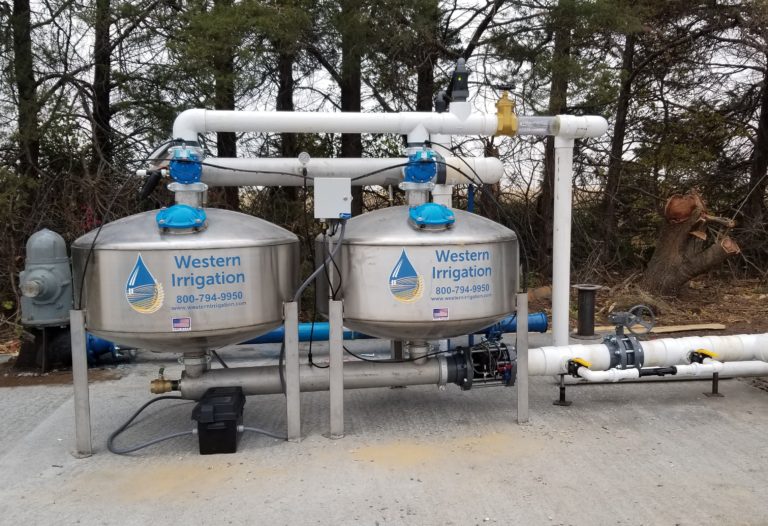 Subsurface Drip Irrigation[/caption]
Factors to Consider When Determining Depth
Before a tractor ever enters the field, you must evaluate the specific conditions of your site. Three primary factors should guide your decision-making process.
Soil Composition
Soil texture is arguably the most significant driver of depth placement.
- Sandy Soils: Water moves vertically through sand very quickly due to gravity, with minimal lateral (sideways) movement. In these conditions, lines often need to be shallower so the water doesn’t bypass the root zone entirely.
- Clay/Loam Soils: Heavier soils have higher capillary action, meaning water spreads outward and upward more effectively. This allows for deeper placement, as the soil can “pull” the moisture up to the roots.
Crop Variety
Different plants have different root architectures. Shallow-rooted vegetables like lettuce require moisture near the surface, necessitating shallow drip lines. Deep-rooted permanent crops, such as almonds or vineyards, allow for deeper placement, which keeps the surface dry and accessible for machinery. You must also consider the crop’s lifecycle—will you use the SDI system to germinate seeds, or will you rely on sprinklers for germination and SDI for maintenance?
Climate Conditions
In arid climates with high evaporation rates, keeping water deeper underground protects it from the sun and wind. In more humid or temperate regions, evaporation loss is less of a concern, potentially offering more flexibility in depth.
Recommended Depth Ranges for Different Applications
While every project requires a custom approach, industry experience provides some general baselines for different applications.
Agricultural Crops
- Vegetables and Strawberries: These are typically shallow installations, often ranging from 2 to 10 inches. The goal is to keep moisture near the feeder roots and facilitate germination if necessary.
- Field Crops (Corn, Cotton, Soybeans): These systems are often designed for longevity and reduced tillage interference. Depths usually range from 12 to 18 inches. This protects the tape from cultivation equipment while supplying water to the heart of the root system.
- Orchards and Vineyards: Permanent crops allow for deeper installations, often between 16 and 24 inches. This keeps the surface dry, reducing weed pressure and allowing harvest equipment to move freely without compacting wet soil.
Landscaping and Turf
For large-scale landscaping or turf projects, lines are generally placed shallower, often between 4 and 6 inches. This ensures the dense, shallow root mat of the turf receives adequate water without requiring excessive saturation of the subsoil.
The Risks of Incorrect Depth Placement
Getting the depth wrong can lead to costly headaches down the road. It is crucial to understand the risks associated with both extremes.
The Dangers of Shallow Installation
When drip lines are too close to the surface, they become vulnerable.
- Mechanical Damage: Tillage equipment, aerators, and harvesters can easily slice through shallow tape, leading to expensive repairs and downtime.
- Pest Exposure: Rodents and birds are more likely to damage lines that are easily accessible near the surface.
- Surface Wetting: If water pushes to the surface too easily, you lose the evaporation benefits of SDI and encourage weed germination.
The Pitfalls of Deep Installation
Burying lines too deep seems safer, but it creates agronomic challenges.
- Inaccessible Water: Young plants with small root systems may not be able to reach the moisture bulb, leading to stunted growth or mortality.
- Nutrient Leaching: If the water moves below the root zone, any fertilizers injected into the system are lost to the water table rather than absorbed by the crop.
- Maintenance Difficulty: Detecting leaks or clogs becomes significantly harder when the lines are buried under two feet of soil.
Western Irrigation mitigates these risks by rigorously planning the installation depth to match your specific machinery and crop rotation plans.
Steps to Assess Your Field Conditions
Guesswork has no place in irrigation design. To determine the ideal depth, you need hard data.
Conduct a Soil Analysis
A standard soil test provides chemical data, but for SDI, you need physical analysis. Understanding your soil’s structure and infiltration rate helps predict the shape of the wetted bulb. Western Irrigation can help interpret these results to predict how water will behave at different depths.
Evaluate Root Structures
Map out the root depth of your target crops. If you rotate crops (e.g., corn followed by beans), you must choose a depth that accommodates the rotation without interfering with the necessary tillage for the subsequent crop.
Consult the Experts
Variables like topography and local microclimates add complexity to the equation. Consulting with specialists like Western Irrigation ensures that you aren’t just following a manual, but designing a system tailored to your unique acreage.
Installation Best Practices for Long-Term Performance
Once the depth is determined, the focus shifts to precision installation. A well-designed system will fail if the installation quality is poor.
Precision is Key
Modern installation rigs often utilize GPS and RTK (Real-Time Kinematic) technology to place tape at the exact depth and latitude required. This ensures that when you come back to cultivate or plant, you know exactly where your lines are within an inch.
Regular Maintenance
Even the best systems require consistent attention. Flushing manifolds regularly prevents clogging caused by sediment buildup. Additionally, monitoring flow meters is crucial for detecting hidden underground leaks early, ensuring efficiency and reliability. Proactive maintenance extends the system’s life and avoids costly repairs, safeguarding optimal performance and long-term functionality.
Professional Partnership
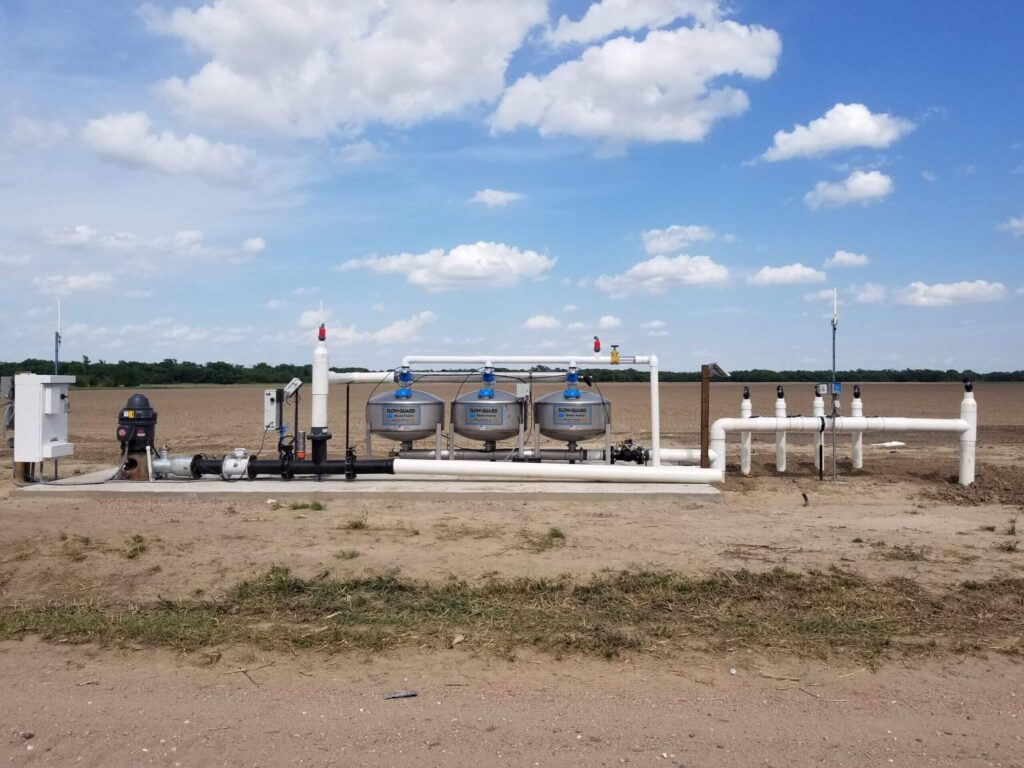
Partnering with experts ensures precision during SDI installation, reducing errors and enhancing efficiency. At Western Irrigation, our skilled professionals specialize in installing systems with care, ensuring the tape is perfectly positioned—flat, untangled, and at the correct depth. Trust our team for reliable solutions that maximize your system’s performance.
Secure Your Yield with Precise Installation
Subsurface Drip Irrigation offers a pathway to higher yields with less water, but it requires a foundation of precision. The depth of your drip lines influences everything from root access and nutrient efficiency to machinery safety and system lifespan.
You don’t have to navigate these technical decisions alone. Western Irrigation brings years of expertise in designing and installing high-performance irrigation systems tailored to local soil and crop needs. By combining scientific assessment with professional installation, we help growers and groundskeepers build systems that last.
Ready to optimize your water usage? Contact Western Irrigation today for a consultation and let us help you find the perfect depth for your next project.