Comparing Subsurface Drip Irrigation Costs per Acre: Corn vs. Soybeans
Comparing Subsurface Drip Irrigation Costs per Acre: Corn vs. Soybeans
For farmers looking to maximize yields while conserving water, subsurface drip irrigation (SDI) has emerged as a powerful tool. But how much does it really cost to implement this system across your acreage? And more importantly, does the crop you’re growing affect that bottom line?
If you’re weighing the investment in SDI for corn versus soybeans, understanding the cost differences is crucial. Both crops benefit from the precise water delivery SDI provides, but installation expenses, maintenance requirements, and long-term returns can vary significantly between the two.
This guide breaks down the real numbers behind subsurface drip irrigation costs per acre for corn and soybeans. We’ll explore what drives those costs, compare the two crops side by side, and help you determine which investment makes the most sense for your operation.
What is Subsurface Drip Irrigation?
Subsurface drip irrigation delivers water directly to the root zone of crops through a network of buried tubes or tape. Unlike traditional surface irrigation methods, SDI places emitters below ground level—typically 6 to 18 inches deep—where they release water slowly and efficiently.
This precision irrigation method has gained traction among row crop farmers for good reason. Water reaches plant roots with minimal evaporation or runoff, reducing waste and improving crop health. The system also keeps field surfaces dry, which means you can operate machinery without worrying about muddy conditions.
SDI systems consist of several key components: drip lines with built-in emitters, filtration equipment to prevent clogging, pressure regulators, and control valves. Many modern setups include automation features that let you adjust water delivery based on soil moisture sensors or weather data.
Why Corn and Soybean Farmers Choose SDI
Both corn and soybeans respond remarkably well to subsurface drip irrigation, but for slightly different reasons.
Corn’s Water Demands
Corn is notoriously thirsty, especially during critical growth stages like tasseling and grain fill. Missing the water window during these periods can severely impact yields. SDI solves this problem by maintaining consistent soil moisture throughout the growing season, even during drought conditions.
Research shows that corn yields under SDI can increase by 15-30% compared to rainfed production in semi-arid regions. The system also improves nitrogen use efficiency when paired with fertigation, since nutrients can be delivered directly to the root zone alongside irrigation water.
Soybeans’ Sensitivity to Stress
Soybeans are more drought-tolerant than corn, but they’re also sensitive to both water stress and waterlogging. SDI gives farmers precise control over soil moisture levels, preventing the yield-robbing extremes that soybeans struggle with.
The ability to keep field surfaces dry is particularly valuable for soybeans. Excess surface moisture can lead to disease pressure and complicate harvest timing. With SDI, you maintain optimal root zone moisture while keeping the canopy and soil surface relatively dry.
What Drives SDI Costs Per Acre?
Before comparing corn and soybeans directly, it’s important to understand the factors that influence SDI installation costs across the board.
Field Characteristics
Your field’s size, shape, and topography all impact installation costs. Larger fields benefit from economies of scale, while irregular shapes or rolling terrain may require additional components or labor. Soil type matters too—rocky or heavy clay soils can increase installation difficulty and expense.
System Design Specifications
The spacing between drip lines, depth of installation, and emitter flow rates all affect material and labor costs. Closer line spacing provides more uniform water distribution but requires more drip tape per acre. Deeper installation may last longer but costs more upfront.
Equipment and Materials
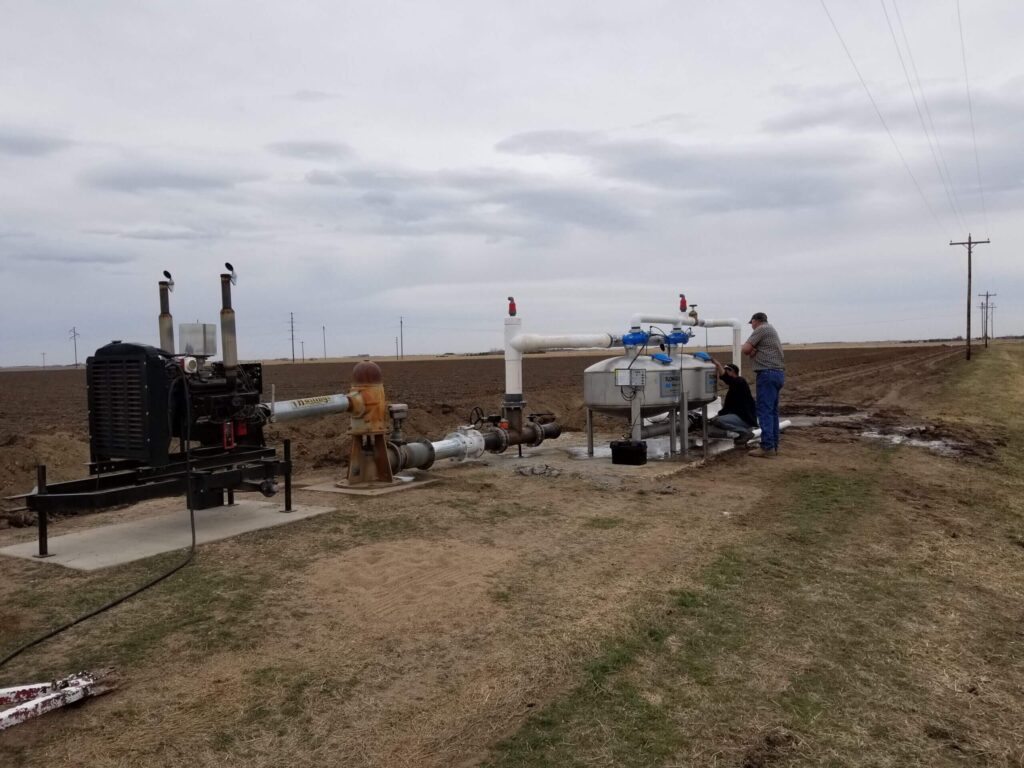
The quality and type of drip tape you choose significantly impacts both initial costs and system longevity. Thicker-walled tape costs more but can last 10-15 years or longer. Filtration systems, pumps, and control equipment add to the total investment but are essential for reliable operation.
Labor and Installation
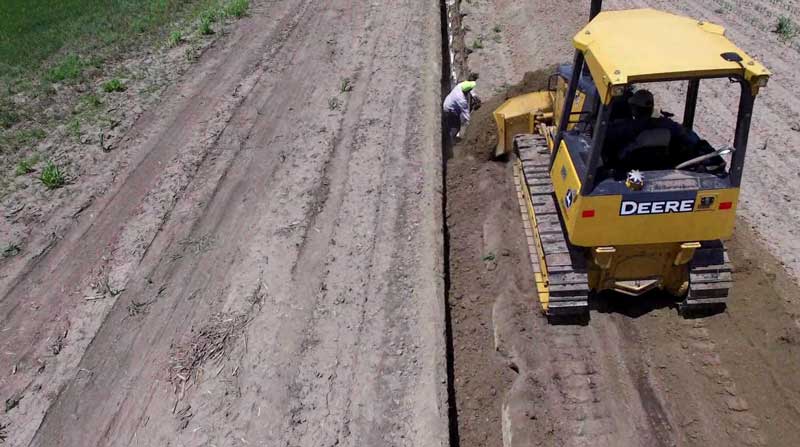
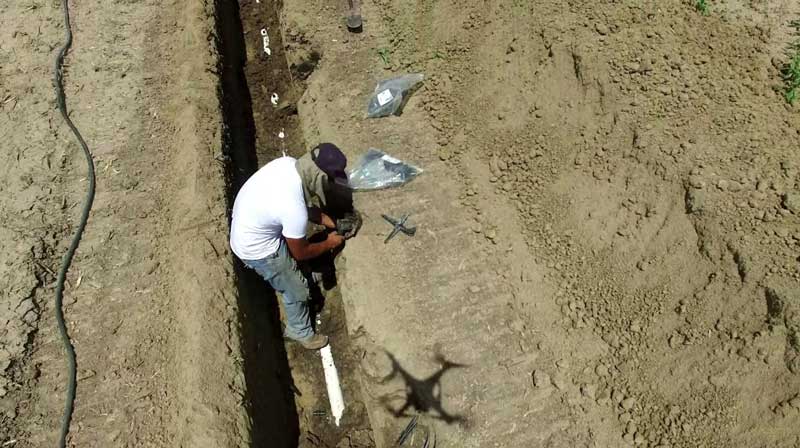
Professional installation ensures proper system design and function, but it adds to upfront costs. Some farmers opt for DIY installation to reduce expenses, though this requires specialized equipment and knowledge.
Cost Breakdown: Corn vs. Soybeans
Now for the question you’ve been waiting for: how do SDI costs compare between corn and soybeans?
Initial Installation Costs
The baseline installation cost for subsurface drip irrigation typically ranges from $1,200 to $2,000 per acre, depending on the factors mentioned above. Here’s where it gets interesting: the crop you plan to grow influences several key design decisions that affect this range.
Corn-Specific Considerations
Corn generally requires closer drip line spacing due to its higher water demands and root architecture. Most corn SDI systems use 60-inch line spacing (every other row in 30-inch corn), though some farmers install lines in every row for maximum yield potential.
For corn, expect installation costs at the higher end of the spectrum—typically $1,500 to $2,000 per acre for a quality system. This accounts for:
- Closer line spacing for adequate coverage
- Higher-capacity filtration to handle increased water volume
- More robust pumping systems for peak water demand periods
- Thicker-walled drip tape for longevity under intensive use
Soybean-Specific Factors
Soybeans can often perform well with wider drip line spacing—sometimes as much as 72 inches or more—because of their lower water requirements and more extensive lateral root development. This means fewer linear feet of drip tape per acre.
Soybean SDI systems typically fall in the $1,200 to $1,600 per acre range. The cost savings come from:
- Wider acceptable line spacing
- Potentially lower system capacity requirements
- Reduced material costs due to less drip tape per acre
Annual Operating Costs
Beyond installation, you’ll face ongoing expenses for both crops. These include electricity for pumping, maintenance, and occasional repairs. Annual operating costs typically range from $50 to $150 per acre, depending on your water source, energy costs, and system complexity.
Corn systems may run at the higher end due to greater water volume pumped over the season. Soybean systems often cost slightly less to operate, though the difference may be modest—perhaps $20 to $40 per acre annually.
Return on Investment and Long-Term Savings
The real test of any irrigation investment is whether it pays for itself over time. Both corn and soybeans can deliver impressive returns under SDI, though the timeline differs.
Corn ROI
With yield increases of 15-30% and improved input efficiency, many corn farmers see payback periods of 5-8 years. In high-value corn markets or areas with severe water limitations, ROI can be even faster.
Additional benefits for corn include:
- Improved standability and grain quality
- Better fertilizer efficiency through fertigation
- Reduced disease pressure from drier field surfaces
- Extended growing season flexibility
Soybean ROI
Soybeans typically show yield increases of 10-25% under SDI compared to dryland production. While the percentage gains may be slightly lower than corn, soybeans benefit from reduced input costs and simpler management.
Payback periods for soybean SDI often range from 6-10 years. The longer timeframe reflects lower per-bushel prices compared to corn, though this varies with market conditions.
Crop Rotation Advantages
Many farmers don’t have to choose between corn and soybeans—they rotate them. This is where SDI really shines. Once installed, the same system supports both crops, spreading the initial investment across multiple years and crop types.
A well-designed SDI system can serve corn-soybean rotations for 15-20 years or more with proper maintenance. This longevity means your per-acre-per-year cost decreases substantially over time.
Expert Insights from Western Irrigation
Western Irrigation, a leading provider of agricultural irrigation solutions, has helped countless farmers transition to subsurface drip systems across various crops and regions.
According to their experience, the decision between corn and soybean SDI systems comes down to three key considerations:
System Flexibility
“We always recommend designing with flexibility in mind,” explains their technical team. “Even if you’re planting soybeans this year, a system designed to handle corn’s higher demands gives you more options down the road. The marginal cost difference is usually worth it for the operational flexibility.”
Water Quality and Filtration
Western Irrigation emphasizes that proper filtration is non-negotiable for both crops. “We see farmers try to cut corners on filtration, and it always costs them more in the long run through clogged emitters and reduced system life. The upfront investment in quality filtration pays dividends regardless of which crop you’re growing.”
Maintenance Matters
“The difference in long-term costs between corn and soybean SDI has less to do with the crop and more to do with how well you maintain the system,” they note. Regular flushing, proper winterization, and timely repairs extend system life significantly for both applications.
Making the Right Choice for Your Farm
Choosing between SDI for corn versus soybeans isn’t always an either-or decision. Many factors beyond just crop type should influence your decision:
Consider Your Water Resources
If water availability is your primary constraint, SDI for corn delivers the most dramatic yield protection during drought. Soybeans are more forgiving of variable water conditions, so the relative benefit may be smaller.
Evaluate Your Management Style
SDI requires attention to detail and timely management decisions. Corn’s narrower margin for error means you’ll need to stay on top of irrigation scheduling more carefully than with soybeans.
Think Long-Term
Both crops benefit from SDI, but the investment makes the most sense when you commit to using the system for many years. If you rotate between corn and soybeans, design your system to handle both efficiently.
Maximizing Your SDI Investment
Regardless of which crop you prioritize, these strategies will help you get the most from your subsurface drip irrigation system:
Start with a Professional Design
Working with experienced irrigation professionals like Western Irrigation ensures your system is properly sized and configured. Poor initial design is expensive to fix later.
Invest in Automation
Modern controllers and soil moisture sensors optimize water use and reduce labor. The technology pays for itself quickly, especially on larger acreages.
Plan for Maintenance
Budget for annual system checks, filter replacement, and repairs. Preventive maintenance costs far less than emergency repairs during the growing season.
Track Performance
Document yields, water use, and costs carefully. This data helps you fine-tune management and demonstrates ROI for future expansion or financing.
The Future of SDI in Row Crops
Subsurface drip irrigation continues to evolve, with new technologies making it more accessible and efficient for both corn and soybeans.
Emerging trends include:
- Smart irrigation systems that integrate weather forecasts and crop models
- More durable drip tape materials extending system life beyond 20 years
- Lower-cost installation methods reducing barriers to entry
- Improved emitter designs preventing clogging and extending maintenance intervals
As water resources become more precious and yield demands increase, SDI adoption will likely accelerate across corn and soybean country. The technology has proven itself in high-value specialty crops; now it’s making economic sense for row crop operations of various sizes.
Is SDI Right for Your Operation?
Subsurface drip irrigation is a major investment for corn and soybean growers, but it pays off long-term. While corn systems often cost more, they can offer quicker returns through better yields. Soybean systems are less costly but may take longer to recoup.
The key is a flexible system that works for both crops over 15-20 years. This spreads the investment, making the annual cost ($100-150 per acre or less) very reasonable.
SDI is ideal if you have limited water, frequent droughts, or want to maximize every acre’s potential. It’s no longer just for specialty crops; it’s a proven solution for row crops.
Curious if SDI is right for you? Contact Western Irrigation for a custom estimate and expert system design.